How Brisbane's Crime Pressure Cooker Got So Hot: A Decade of Decisions That Led Us Here
From Fortitude Valley's nightclub strip to Logan's outer streets, the forces reshaping public safety in South East Queensland didn't arrive overnight.
From Fortitude Valley's nightclub strip to Logan's outer streets, the forces reshaping public safety in South East Queensland didn't arrive overnight.
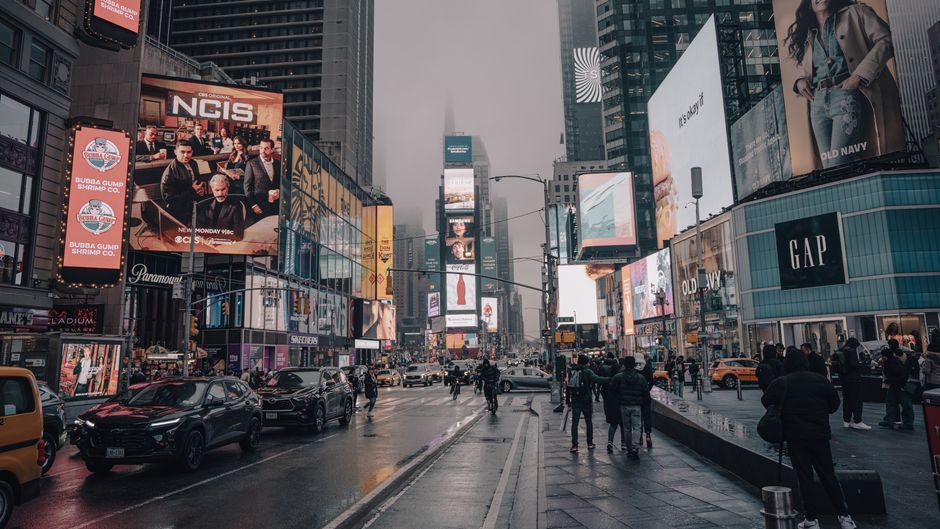
Queensland Police recorded more than 47,000 property offences across Greater Brisbane in the 12 months to March 2026 — a figure that represents a 14 percent rise on the pre-pandemic baseline and sits at the centre of a political argument that has been building for years. The LNP government, which swept to power at the October 2024 state election partly on a law-and-order platform, is now being held to account for promises made on that platform. Understanding why the numbers look the way they do requires going back further than the last budget cycle.
The story starts with geography and momentum. South East Queensland absorbed roughly 110,000 new residents from New South Wales and Victoria in the three years to June 2025, according to Queensland Treasury migration data. That influx landed heaviest in the Logan, Ipswich, and Moreton Bay corridors — areas where Queensland Police Service district resourcing had been calculated against older, smaller population figures. The mismatch between where people now live and where sworn officers are stationed became structural almost immediately.
Logan Central and Woodridge, both serviced by the Logan Police District headquarters on Wembley Road, saw suburb-level population growth of more than 18 percent between 2021 and 2024. Community organisations including the Logan Together partnership, which coordinates services across 27 Logan suburbs, began flagging capacity stress as early as mid-2023. Their concerns centred not on policing alone but on the compound effect of under-resourced youth services, inadequate public transport connections to employment, and housing pressure pushing families into overcrowded rentals on streets like Kingston Road and Compton Road.
Ipswich tells a parallel story. The Ipswich City Council area is projected to hit 500,000 residents by 2041, and developers have been racing infrastructure with a head start of several years. The Ripley Valley priority development area — one of the largest greenfield projects in Australian history — is adding thousands of dwellings faster than schools, health facilities, and police beats can be staffed to match. Officers working out of the Ipswich Police Station on Limestone Street have told community forums the beat boundaries they patrol cover areas that simply did not exist as residential zones a decade ago.
Meanwhile, the inner city presented a different set of pressures. The Fortitude Valley Safe Night Precinct, which operates under a licensing and management framework dating to the mid-2000s, was designed around a nighttime economy that looks substantially different post-pandemic. Foot traffic patterns along Brunswick Street and Ann Street shifted as hospitality businesses closed or relocated. Fewer eyes on the street at certain hours created gaps that Queensland Police's Vulnerable Persons Unit and community patrol volunteers have tried to fill with limited success.
The previous Labor administration's youth justice reforms, particularly the changes to the Youth Justice Act introduced in 2023, became the dominant political flashpoint. The LNP campaigned on reversing provisions that critics argued weakened detention as a consequence for repeat offenders. Since winning government, the LNP has reintroduced detention as a last resort measure in a modified form and funded 900 additional police officers over four years — a commitment worth approximately $890 million according to the 2025-26 state budget papers handed down in June 2025.
The 2032 Olympic and Paralympic Games preparation is adding another layer of complexity. Infrastructure works across inner-Brisbane precincts, including the Gabba rebuild on Vulture Street and the wider Athletes Village project at Northshore Hamilton, are drawing construction workers and associated populations into areas that will need security planning well before the Games themselves. Queensland Police has established a dedicated Olympic Planning Command, but its operational remit and staffing levels remain subjects of active internal review.
For residents watching the data, the practical reality right now is that the suburbs with the fastest population growth and the least established community infrastructure are carrying a disproportionate share of the safety burden. Logan and Ipswich councils have both lobbied the state government for accelerated police infrastructure funding ahead of the mid-year fiscal update expected in August 2026. Whether that update delivers meaningful change to district resourcing formulas will determine whether the gap between growth and capacity begins to close — or widens further heading into the Olympic decade.
Advertise
Reach thousands of Brisbane readers daily. Contact us at hello@dailybrisbane.com.au to advertise.
Get in touch →Daily Network
About this article
Published by The Daily Brisbane
Daily brief
Free, in your inbox before 7am. Weekdays.
More from The Daily Brisbane


