Cross River Rail Is Almost Here. Now Comes the Hard Part.
With tunnelling complete and the 2032 Olympics deadline bearing down, the decisions Brisbane makes about Cross River Rail in the next 18 months will define how the city moves for generations.
With tunnelling complete and the 2032 Olympics deadline bearing down, the decisions Brisbane makes about Cross River Rail in the next 18 months will define how the city moves for generations.
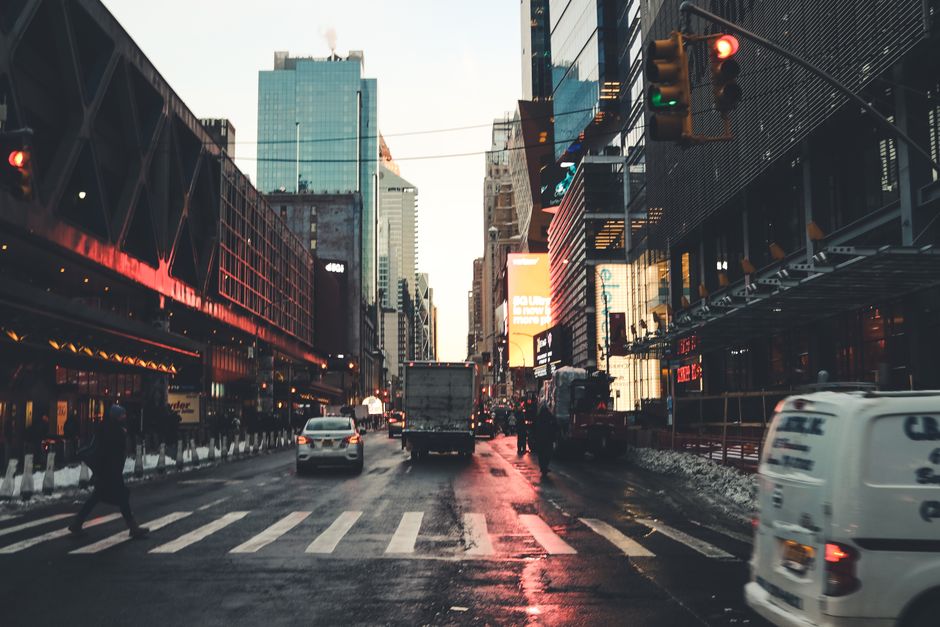
The tunnels are bored. The stations are taking shape beneath Roma Street and Albert Street. But the $7.1 billion Cross River Rail project is entering its most consequential phase — not the engineering, but the politics and planning that will determine whether the line actually delivers on its promise when it opens in late 2026.
Why does this matter right now? Three forces are converging at once. South-east Queensland is absorbing roughly 50,000 new residents a year, many of them arriving from New South Wales and Victoria, and the strain on the Citytrain network is measurable and daily. The state LNP government, elected in October 2024, is now the administration that will hand-cut the ribbon. And Brisbane 2032 is no longer an abstraction — Olympic venue planning requires locked-in transport links, and Cross River Rail sits at the centre of nearly every spectator movement plan the organising committee has modelled.
The conversation tends to fixate on the tunnel itself — the 5.9-kilometre bore from Dutton Park to Roma Street — but the real test is what happens at each of the four new underground stations. Boggo Road station, wedged between the Princess Alexandra Hospital precinct and the Ecosciences Building on Annerley Road, has the potential to reshape how thousands of health workers and university students commute each day. The University of Queensland and Queensland University of Technology both have campuses within easy connecting-bus distance, yet the feeder bus network from Boggo Road has not been publicly finalised.
Albert Street station in the CBD is the other pressure point. The surrounding Queen Street Mall and Eagle Street Pier precincts already struggle with pedestrian congestion during peak hour. Developers have quietly begun repositioning commercial projects along Charlotte Street and Margaret Street to capture the foot traffic uplift, and property analysts have estimated land values within 400 metres of the Albert Street entrance have moved between 8 and 12 per cent in anticipation. Decisions about active-travel corridors — cycling infrastructure along Alice Street, in particular — remain unresolved inside Brisbane City Council.
The Palaszczuk-era promise was always that Cross River Rail would free up the existing above-ground network, allowing more trains to run through Ipswich, Logan, and the Sunshine Coast without the bottleneck of the current single-track Merivale Bridge strangling frequency. That downstream benefit — extra capacity on the Springfield line, more reliable services through Woodridge and Beenleigh — depends entirely on timetable restructuring that TransLink has not yet released for public consultation.
The Gabba rebuild, itself still grinding through revised costings and community consultation processes, is slated as the centrepiece athletics venue for 2032. The nearest Cross River Rail station at Boggo Road is approximately 800 metres from the Gabba site on Stanley Street. That walk is manageable; the crowd management plan for 80,000 people exiting simultaneously is not yet publicly modelled. The Cross River Rail Delivery Authority is expected to release updated patronage forecasts by the end of the third quarter of 2026, and those numbers will force a reckoning with bus layover space and taxi rank configurations that Brisbane City Council has been deferring.
First home buyers flooding into Logan and Ipswich growth corridors — attracted partly by land prices that remain well below inner-city levels — are already making purchasing decisions based on an assumed Cross River Rail-enabled commute. A two-bedroom townhouse in Richlands currently lists around $620,000. The pitch from developers is explicit: buy now, commute easily later. If the timetable restructuring stalls or the feeder network underdelivers, those buyers carry the risk.
The next firm public milestone is a Queensland Parliament estimates hearing in August 2026, where the Cross River Rail Delivery Authority will face questions on operational readiness. That session will be the clearest signal yet of whether the late-2026 opening date is real or aspirational. Commuters, investors, and Olympic planners are all reading from the same script — they just need someone to confirm the ending.
Advertise
Reach thousands of Brisbane readers daily. Contact us at hello@dailybrisbane.com.au to advertise.
Get in touch →Daily Network
About this article
Published by The Daily Brisbane
Daily brief
Free, in your inbox before 7am. Weekdays.
More from The Daily Brisbane


