Brisbane's Duplicate Image Crisis: The Key Decisions That Will Shape What Comes Next
Councils, developers and archives are sitting on thousands of duplicate digital images with no clear policy on what to delete, what to keep and who decides.
Councils, developers and archives are sitting on thousands of duplicate digital images with no clear policy on what to delete, what to keep and who decides.
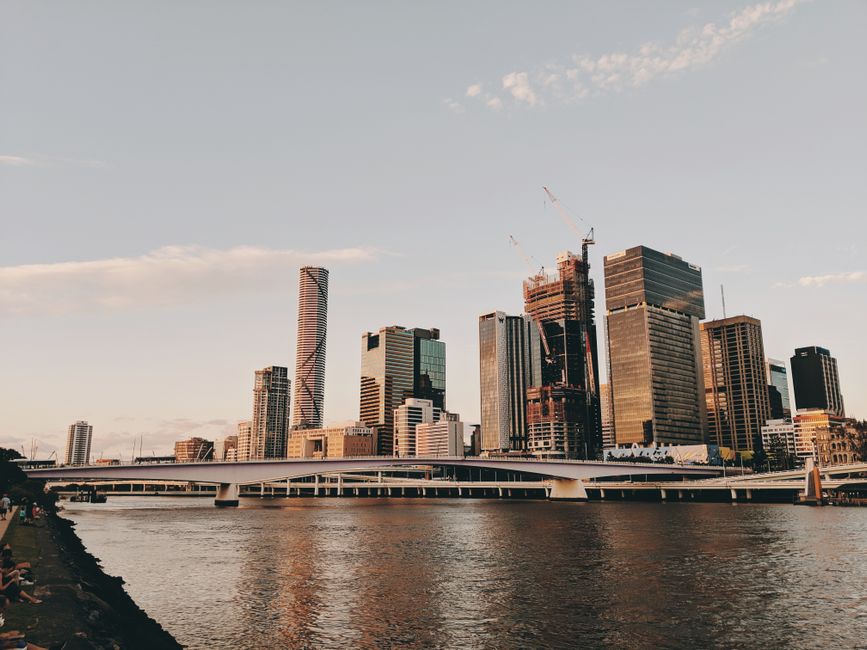
Brisbane City Council's digital asset library now holds more than 1.2 million image files across its planning, infrastructure and communications divisions, and nobody can say with confidence how many of those files are exact or near-exact duplicates. That is the central problem confronting the council's records management unit as it prepares to overhaul its systems ahead of the 2032 Olympics construction sprint.
The duplication issue is not trivial. Storage costs for unmanaged digital archives at large local governments in South East Queensland have risen sharply over the past three years, driven partly by the population surge from interstate migration — SEQ added roughly 50,000 new residents in the year to March 2026, according to Queensland Treasury's population projections. More residents means more development applications, more site photography, more infrastructure documentation, and more images flooding into systems that were designed for a fraction of that volume.
The Gabba precinct rebuild and the Cross River Rail corridor from Dutton Park through to Roma Street are generating the heaviest imaging loads right now. Engineers, project managers, communications officers and heritage consultants are all photographing the same sites, often on the same day, and uploading to separate systems that do not talk to each other. Coordination between Brisbane City Council, the Queensland Government's 2032 Olympic and Paralympic Infrastructure Authority, and private contractors has exposed a gap: there is no single agreed protocol for identifying which image is the authoritative record and which copies can be safely retired.
The Logan and Ipswich development corridors are adding to the workload. Ipswich City Council is processing a record number of subdivision and building approvals along the Ripley Valley and Yamanto corridors, and its digital records team flagged internally in early 2026 that duplicate imagery from drone surveys was consuming significant portions of its cloud storage allocation. The council has not yet published a formal policy response.
State Archives Queensland, based on Wharf Street in the CBD, holds the legal responsibility for advising local governments on retention and disposal of public records under the Public Records Act 2002. But the Act predates the era of automated drone photography and AI-assisted duplication detection, and the guidance it offers on digital image management is general enough to leave councils making judgment calls on their own.
Three choices are coming to a head before the end of 2026. First, Brisbane City Council must decide whether to centralise its image library into a single digital asset management platform — a project estimated internally at between $2 million and $4 million depending on the vendor selected — or to continue running siloed departmental systems with manual deduplication. Second, the council and its Olympic infrastructure partners need to agree on a shared metadata standard so that images from different agencies can be compared and redundancies identified automatically. Third, the State Archivist will need to issue updated guidance clarifying when a duplicate image constitutes a separate public record requiring independent retention, and when it is simply a copy that can be deleted without breaching the Act.
Heritage advocates are watching the third question closely. The Architectural Heritage Association of Queensland has argued that near-duplicate images — photographs taken seconds apart showing slightly different angles of a demolition site or a heritage facade — can carry distinct evidentiary value that automated deduplication tools will not recognise. Getting that balance wrong ahead of Gabba demolition phases could mean permanent gaps in the documentary record.
The practical timeline is tight. Major Olympic construction contracts are expected to be awarded through 2027, and the volume of site imagery will accelerate from that point. Any council or agency that has not resolved its deduplication policy and storage architecture by mid-2027 will be managing the problem reactively, at higher cost, and under greater legal risk.
For residents and businesses lodging development applications through Brisbane City Council's PD Online portal, the immediate impact is minimal. But for the public servants and archivists tasked with preserving an accurate record of how Brisbane transforms over the next six years, the window to get these decisions right is closing faster than the construction hoardings are going up around the Gabba.
Advertise
Reach thousands of Brisbane readers daily. Contact us at hello@dailybrisbane.com.au to advertise.
Get in touch →Daily Network
About this article
Published by The Daily Brisbane
Daily brief
Free, in your inbox before 7am. Weekdays.
More from The Daily Brisbane


