Behind the Numbers: The Data Statistics and Numbers Behind Brisbane's Growth Story
A closer look at the statistics driving the city's development, from population boom to infrastructure projects
A closer look at the statistics driving the city's development, from population boom to infrastructure projects
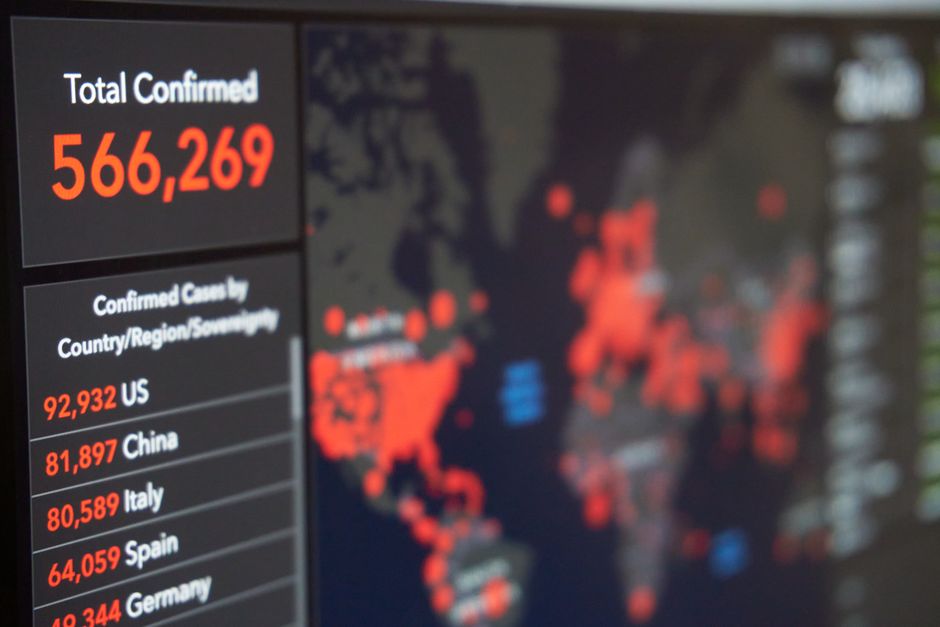
Brisbane's population is projected to reach 3.5 million by 2030, with the South East Queensland region experiencing a significant influx of migrants from New South Wales and Victoria, according to the Queensland Government's Department of Environment and Science.
This growth matters now because it puts pressure on the city's infrastructure, housing, and services. The Queensland LNP government has committed to delivering key projects, including the 2032 Olympics infrastructure and the Gabba rebuild, but the pace of development is raising concerns about affordability, traffic, and the environment. The Brisbane City Council's draft budget for 2026-2027 allocates $1.3 billion for infrastructure projects, including road upgrades and public transport improvements.
In local areas like Woolloongabba and Coorparoo, the impact of this growth is already being felt. The Gabba Cricket Ground redevelopment, for example, has sparked controversy over its potential impact on local traffic and parking. Meanwhile, the Brisbane Riverwalk project, which aims to create a 20-kilometre pedestrian and cycling path along the river, is expected to boost connectivity and liveability in suburbs like West End and Kangaroo Point. The Queensland Government has also announced plans to invest $500 million in the Cross River Rail project, which will improve public transport links between the city and suburbs like Logan and Ipswich.
According to data from the Australian Bureau of Statistics, the median house price in Brisbane has increased by 15% over the past year, reaching $740,000 in June 2026. Rental yields have also tightened, with the vacancy rate falling to 1.5% in the same period. The Queensland Treasury's June 2026 economic update reports that the state's economy is expected to grow by 3.5% in 2026-2027, driven by strong population growth and infrastructure investment. Specifically, the update notes that the 2032 Olympics are expected to generate $7.4 billion in economic benefits for the state, with $2.5 billion of that coming from infrastructure investment.
As the city continues to grow, it's essential to look at the numbers behind the story. The Brisbane City Council's population forecast predicts that the city will need an additional 188,000 dwellings by 2036 to accommodate the growing population. The Queensland Government's $5.4 billion investment in the Brisbane Metro project, which will deliver a new underground rail system, is expected to increase public transport capacity by 30% and reduce travel times by up to 50%. With the Olympics just six years away, the pressure is on to deliver these projects on time and on budget. The Queensland Auditor-General's report on the Olympics infrastructure project, released in May 2026, noted that the project is currently on track to meet its deadlines, but highlighted the need for ongoing monitoring and reporting to ensure its successful delivery.
Advertise
Reach thousands of Brisbane readers daily. Contact us at hello@dailybrisbane.com.au to advertise.
Get in touch →Daily Network
About this article
Published by The Daily Brisbane
Daily brief
Free, in your inbox before 7am. Weekdays.
More from The Daily Brisbane


