Brisbane Ranks 34th in Sustainability: Here's What It Costs Residents
A new urban sustainability index ranks Brisbane 34th globally — and the gap with top performers is showing up in residents' electricity bills, commute times and flood risk.
A new urban sustainability index ranks Brisbane 34th globally — and the gap with top performers is showing up in residents' electricity bills, commute times and flood risk.
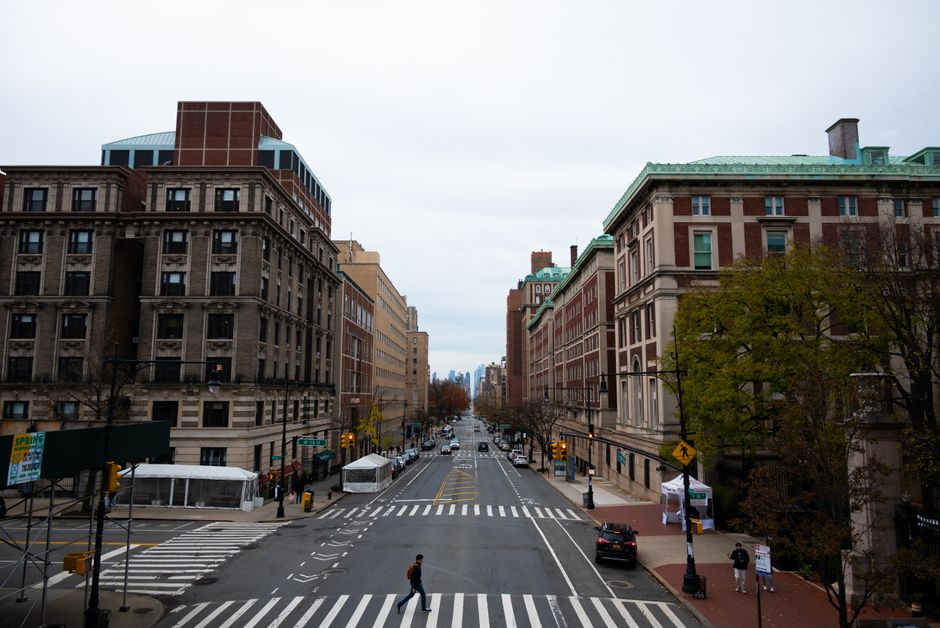
Brisbane ranked 34th out of 50 major cities in the 2026 Global Urban Sustainability Index, released last week by the Amsterdam-based Institute for Urban Transitions. Singapore topped the table. Amsterdam came second. Denver, which Brisbane planners have long cited as a peer city, landed 11th. The gap is not academic. For the 2.7 million people living in greater Brisbane, it translates into measurable costs — higher household energy bills, inadequate tree canopy in western suburbs, and stormwater infrastructure that the council's own engineers have flagged as undersized for projected rainfall events by 2032.
Timing matters here. The LNP state government is midway through a $7.1 billion Olympic infrastructure program, and decisions locked in now — road alignments, stadium footprints, athlete village density — will shape Brisbane's environmental baseline for decades. The Gabba rebuild alone covers 6.2 hectares in Woolloongabba where green space ratios remain well below the World Health Organisation's recommended nine square metres per resident. With Sydney recording its hottest June since 1859 this week, Brisbane residents have fresh reason to ask whether their city is building toward the same heat trap or away from it.
The index scored cities across five categories: green cover, active transport, renewable energy penetration, waste diversion and air quality. Brisbane scored lowest on active transport — 38th — despite the opening of the Kangaroo Point green bridge in 2023 and the ongoing Cross River Rail project. Singapore's cycling modal share sits at 12 percent of daily trips. Brisbane's hovers around 2.1 percent, according to Brisbane City Council's 2025 transport survey. Denver, by contrast, pushed its active transport share to 9 percent after completing a 400-kilometre trail network anchored by the Cherry Creek corridor.
Tree canopy coverage tells a similar story. Suburb-by-suburb data from council's Urban Forest Strategy shows Paddington and New Farm sitting above 25 percent canopy cover, while Inala, Richlands and parts of the Ipswich corridor — areas absorbing the bulk of SEQ's migration surge from New South Wales and Victoria — sit below 11 percent. Urban heat research from the University of Queensland's School of Earth and Environmental Sciences found that low-canopy western Brisbane suburbs recorded median summer temperatures 4.3 degrees Celsius higher than the inner city in the 2024-25 season. Residents in those areas are running air conditioning harder and longer, with Logan households spending an estimated $680 more per year on electricity than the Brisbane average.
Singapore's ranking rests partly on its mandatory Green Mark certification scheme for all new buildings above 5,000 square metres, introduced in 2008 and tightened in 2022. Amsterdam's edge comes from district heating networks and a 1994 policy that banned new car parking minimums in the inner city — a decision that took 30 years to show its full effect on modal share. Denver's turnaround was largely driven by the Regional Transportation District's commuter rail expansion, funded by a 0.4 percent sales tax increase voters approved in 2004.
Brisbane has analogs in progress. The Queensland government's ShadeUp program committed $28 million in the 2025-26 budget to plant 1 million trees in priority growth corridors by 2029, targeting Ipswich and Logan specifically. The council's Suburban Renewables Initiative is offering $1,200 rebates on battery storage systems to residents in 14 designated low-income postcodes, including 4108 (Sunnybank) and 4114 (Kingston). Neither program, on current projections, closes the gap with Denver by the time the Olympic torch arrives.
Residents who want to track progress can access Brisbane City Council's urban sustainability dashboard at council.brisbane.qld.gov.au, updated quarterly. The next full index measurement is scheduled for March 2027, six months before Olympic construction is required to be substantially complete. That window is tight — and the index scores make clear that good intentions lodged in planning documents are worth considerably less than infrastructure already in the ground.
Advertise
Reach thousands of Brisbane readers daily. Contact us at hello@dailybrisbane.com.au to advertise.
Get in touch →Daily Network
About this article
Published by The Daily Brisbane
Daily brief
Free, in your inbox before 7am. Weekdays.
More from The Daily Brisbane