Brisbane's Digital Archives Are Riddled With Duplicate Images — And the Numbers Reveal a Storage Crisis
Councils, developers and Olympics planners are sitting on terabytes of redundant image files, and the cost of doing nothing is climbing fast.
Councils, developers and Olympics planners are sitting on terabytes of redundant image files, and the cost of doing nothing is climbing fast.
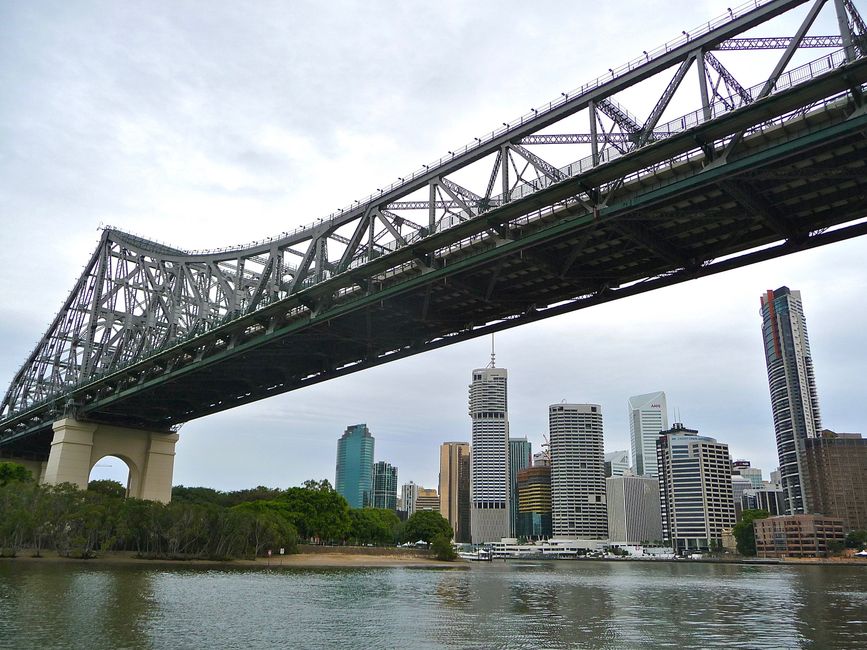
Brisbane City Council's digital asset libraries contain tens of thousands of duplicate image files accumulated over more than a decade of infrastructure photography, planning submissions and communications work — a sprawling redundancy problem that IT managers across South East Queensland are only beginning to quantify. The scale of the issue has sharpened into focus ahead of the 2032 Olympics construction boom, where documentation standards for venues, transport corridors and community spaces are set to generate unprecedented volumes of visual data.
Why does this matter right now? The SEQ population surge — driven largely by arrivals from New South Wales and Victoria — has pushed council planning departments, development authorities and logistics firms into a documentation sprint. Every development application filed with the Brisbane City Council planning portal requires photographic evidence. Every infrastructure milestone for 2032 venues, from the Gabba rebuild precinct in Woolloongabba to the new Athletes Village footprint at Hamilton Northshore, generates image sets. When those images are uploaded without deduplication protocols, the same photograph can exist in six or eight separate folders simultaneously, each version burning storage budget.
Industry benchmarks from digital asset management research — including work published by the Gartner Group — suggest that between 30 and 40 percent of files stored in unmanaged enterprise image libraries are exact or near-exact duplicates. Apply that range conservatively to a mid-sized Queensland government department running a 50-terabyte asset library and you're looking at somewhere between 15 and 20 terabytes of pure redundancy. At current enterprise cloud storage rates on the Australian market — hovering around $30 to $50 per terabyte per month for managed services — that redundancy can cost a single agency between $5,400 and $12,000 annually for storage it does not need.
Local government is not alone in facing this. The Cross River Rail Delivery Authority, headquartered on Creek Street in the CBD, has been managing photographic documentation of construction across multiple Brisbane stations including Boggo Road, Roma Street and the Albert Street precinct. Projects of that scale, running across multi-year timelines with dozens of contractors uploading progress imagery, are precisely the environment where duplicate proliferation accelerates. Without automated deduplication built into intake workflows, the problem compounds with every new upload cycle.
The development corridors in Logan and Ipswich are adding further pressure. Infrastructure Australia's ongoing assessments of South East Queensland liveability projects have flagged digital record-keeping as an underinvested area in regional councils. Ipswich City Council, which covers one of the fastest-growing local government areas in Queensland, has been expanding its planning documentation systems to cope with subdivision approvals across growth precincts stretching toward Ripley Valley and Yamanto.
Deduplication software — tools that compare image hash values to identify identical files regardless of filename — has become standard in private sector media and e-commerce operations. The real bottleneck in government contexts is not technology, it is procurement cycles and the political will to authorise a library audit that will, temporarily, create more work before it creates less. A full deduplication pass on a 50-terabyte library typically takes between two and four weeks of processing time, depending on hardware, and requires staff hours for exception review — files that are near-duplicates but not exact matches, such as bracketed photographs from a single shoot.
For Brisbane organisations starting this process now, digital archivists generally recommend a phased approach: run a read-only audit first to generate a duplication report without deleting anything, then establish a governance policy for what counts as a true duplicate before any files are removed. The State Library of Queensland on Stanley Place at South Bank offers digital preservation guidance to Queensland public agencies and has published frameworks that address exactly this kind of asset management challenge.
The 2032 deadline creates a hard backstop. Every month of delay on getting image libraries in order is another month of new construction photographs, drone footage stills and planning renders being ingested into systems that are already bloated. The organisations that act on deduplication in 2026 will enter the heaviest documentation period of the Olympics build with clean, searchable, cost-efficient archives. Those that do not will pay — in storage bills, in staff hours and in the inevitable scramble to find the right image when it is urgently needed.
Advertise
Reach thousands of Brisbane readers daily. Contact us at hello@dailybrisbane.com.au to advertise.
Get in touch →Daily Network
About this article
Published by The Daily Brisbane
Daily brief
Free, in your inbox before 7am. Weekdays.
More from The Daily Brisbane


