news
Brisbane Prepares Digital Overhaul Strategy for 2032 Olympics Games
As the city prepares for the 2032 Olympics, Brisbane's digital image replacement strategy is under scrutiny, with key decisions looming on infrastructure and development.
How we reported this
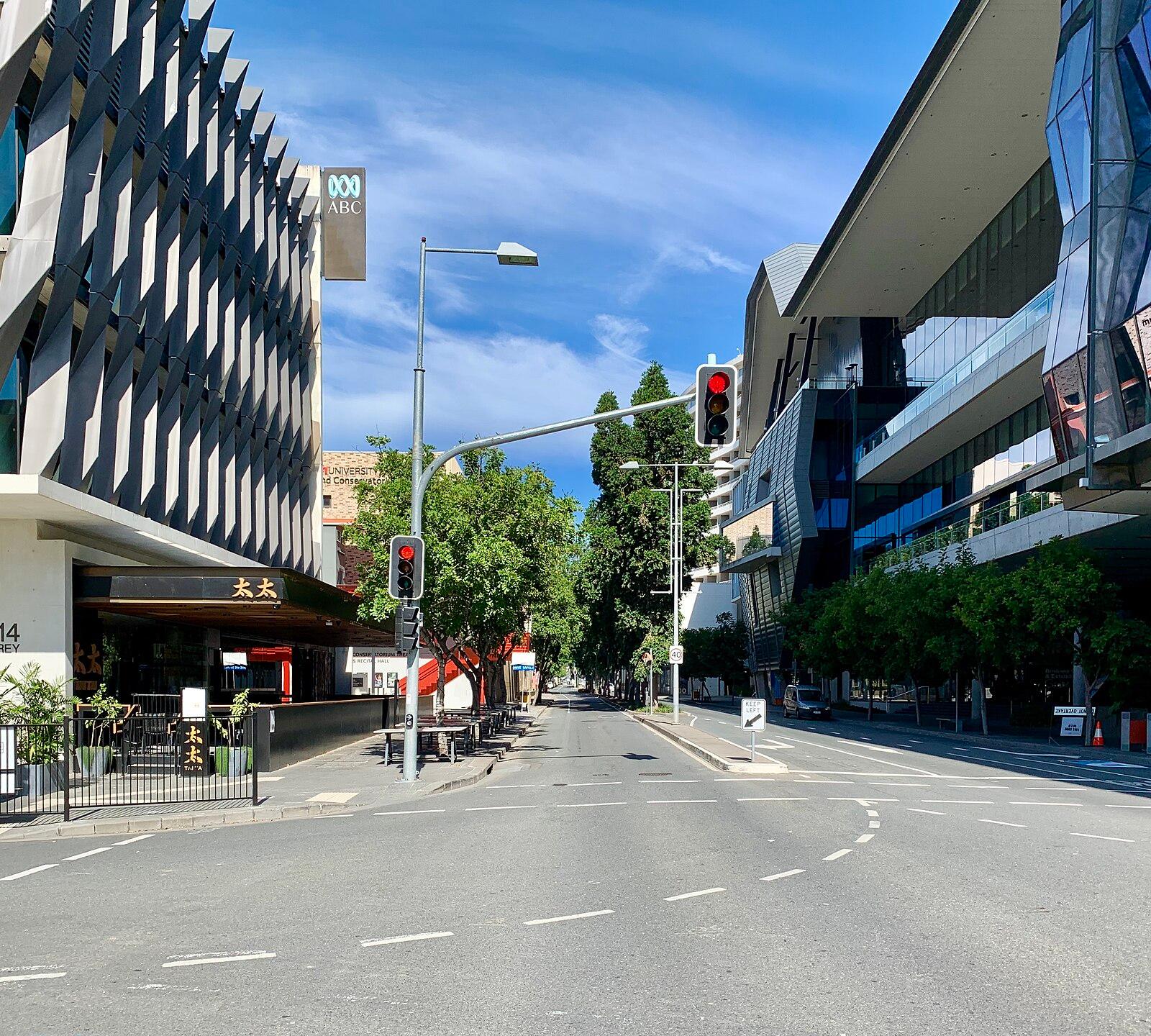
Brisbane's digital image replacement strategy has reached a critical juncture, with the Queensland Government set to make key decisions on the project's future in the coming months. The strategy, aimed at enhancing the city's digital presence and attractiveness to tourists and businesses, has been underway since 2020.
The digital image replacement strategy matters now because Brisbane is experiencing rapid growth, driven by migration from NSW and VIC, with the South East Queensland (SEQ) population expected to reach 5.5 million by 2030. The city's infrastructure, including the Gabba stadium and the Brisbane Riverwalk, is being upgraded to accommodate this growth, with the 2032 Olympics serving as a catalyst for development. The digital image replacement strategy is crucial in showcasing Brisbane's unique character and attractions, such as the Story Bridge and the Brisbane Botanic Gardens, to a global audience.
In local terms, the digital image replacement strategy will have a significant impact on areas such as Fortitude Valley, Woolloongabba, and the Brisbane CBD. The Valley, with its vibrant nightlife and cultural scene, is set to benefit from enhanced digital marketing, while Woolloongabba, home to the Gabba stadium, will see improved infrastructure and amenities. Organisations such as the Brisbane City Council, the Queensland Government, and the Brisbane Marketing Board are working together to implement the strategy, with programs such as the Brisbane Riverwalk redevelopment and the South Bank Parklands upgrade already underway.
Key Statistics and Evidence
According to data from the Australian Bureau of Statistics (ABS), Brisbane's population grew by 2.5% in 2020-21, with the median house price reaching $743,000. The digital image replacement strategy is expected to contribute to this growth, with a projected increase in tourism revenue of 15% by 2025. The Queensland Government has allocated $10 million in funding for the strategy, which will be used to enhance digital infrastructure, including Wi-Fi and 5G networks, and to develop new digital marketing campaigns. By 2027, the government aims to have 90% of Brisbane's businesses and attractions listed online, with 80% of tourists using digital channels to plan their trips.
As the digital image replacement strategy moves forward, key decisions will need to be made on issues such as funding, infrastructure, and community engagement. The Queensland Government will need to balance the needs of different stakeholders, including businesses, residents, and tourists, to ensure that the strategy is effective and beneficial to all. With the 2032 Olympics looming, the next 12-18 months will be critical in shaping the future of Brisbane's digital image replacement strategy. By 2028, the city is expected to have a fully integrated digital platform, showcasing its unique character and attractions to a global audience, and cementing its position as a leading tourist and business destination.