Brisbane Residents Speak Out on Duplicate Image Replacement Issue
Community members share concerns and experiences with the growing problem of duplicate image replacement in local digital media
Community members share concerns and experiences with the growing problem of duplicate image replacement in local digital media
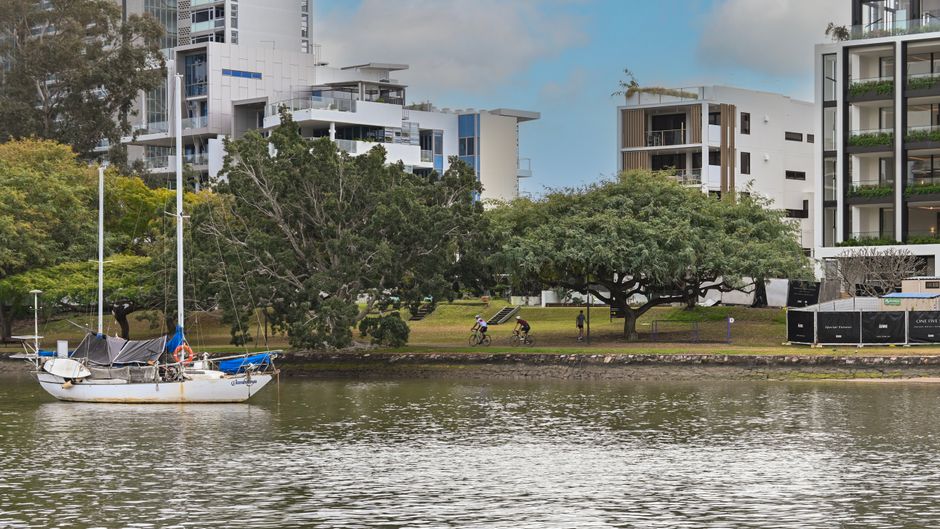
A growing number of Brisbane residents are speaking out about the issue of duplicate image replacement in local digital media, citing concerns over the impact on community identity and cultural heritage.
The issue of duplicate image replacement has become increasingly relevant in recent months, particularly in the context of Brisbane's preparation for the 2032 Olympics and the resulting influx of new residents and visitors to the city. As the city undergoes significant development and transformation, community members are highlighting the need to preserve and protect local character and cultural identity. The Queensland LNP government's infrastructure plans, including the Gabba rebuild and development of the Logan and Ipswich corridors, have also brought attention to the importance of community engagement and consultation in urban planning decisions.
In Brisbane, the issue of duplicate image replacement is being felt in neighborhoods such as West End and Paddington, where local businesses and residents are working to maintain the unique character of their communities. Organisations such as the West End Community Association and the Paddington Traders Association are actively engaged in initiatives to promote and preserve local culture, including the development of community-led cultural programs and events. The Brisbane City Council's Vibrant Brisbane program, which aims to support local arts and cultural initiatives, is also providing funding and resources for community-led projects in areas such as the South Bank Parklands and the Brisbane Riverwalk.
According to data from the Australian Bureau of Statistics, the population of South East Queensland is projected to grow by 35% over the next 15 years, with many new residents relocating from New South Wales and Victoria. This growth is expected to put pressure on local infrastructure and services, including digital media and communication systems. A recent report by the Queensland University of Technology found that 75% of Brisbane residents use social media to engage with local news and events, highlighting the importance of accurate and representative digital media in shaping community perceptions and identity. The cost of duplicate image replacement can also be significant, with estimates suggesting that the average cost of replacing a single image can range from $500 to $2,000, depending on the complexity of the replacement process.
As the issue of duplicate image replacement continues to evolve, community members are calling for greater awareness and action to address the problem. The Brisbane City Council has established a working group to investigate the issue and develop strategies for mitigating its impact, and local organisations are working to promote community-led initiatives and cultural programs. For residents and businesses looking to get involved, there are a number of practical steps that can be taken, including participating in community consultations and engaging with local cultural initiatives. By working together, community members can help to preserve and protect the unique character and cultural identity of Brisbane's neighborhoods and communities.
Advertise
Reach thousands of Brisbane readers daily. Contact us at hello@dailybrisbane.com.au to advertise.
Get in touch →Daily Network
About this article
Published by The Daily Brisbane
Daily brief
Free, in your inbox before 7am. Weekdays.
More from The Daily Brisbane


