Brisbane's Duplicate Image Replacement: How This City is Handling it Compared to Similar Cities Globally
A closer look at Brisbane's approach to duplicate image replacement and how it stacks up against other major cities worldwide
A closer look at Brisbane's approach to duplicate image replacement and how it stacks up against other major cities worldwide
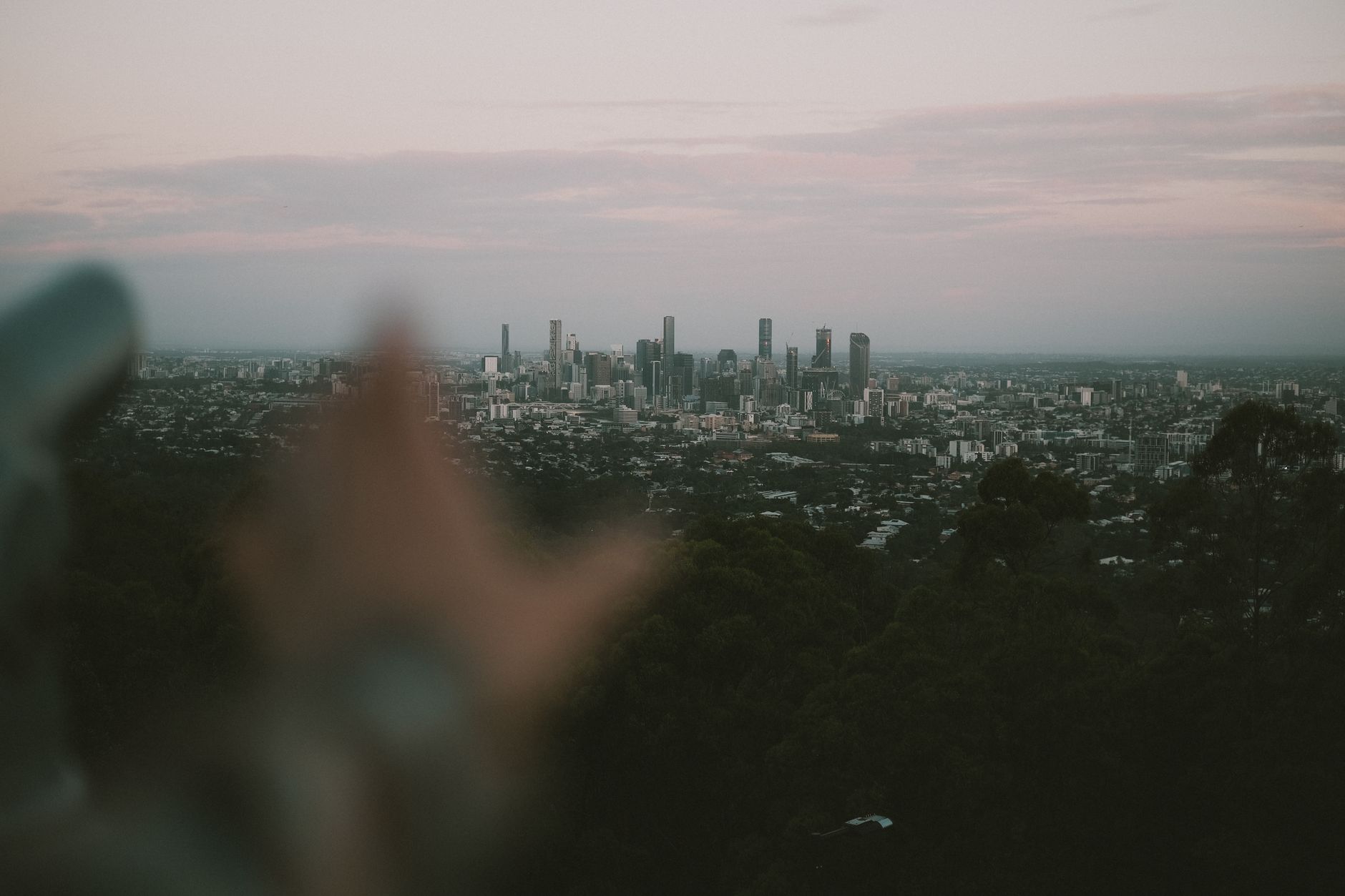
Brisbane is taking a proactive approach to duplicate image replacement, with the city's council investing $1.5 million in a new digital asset management system to reduce image duplication and improve data efficiency.
This matters now because duplicate image replacement is a growing concern for cities around the world, particularly those with large digital repositories like Brisbane. With the city's population booming due to migration from NSW and VIC, and the 2032 Olympics infrastructure preparation underway, the need for efficient data management has never been more pressing. The Gabba rebuild controversy and Logan and Ipswich development corridors are also driving the demand for streamlined digital systems.
Locally, the Brisbane City Council is working with organisations like the Queensland Museum and the State Library of Queensland to implement the new system. Specific locations like the Brisbane Riverwalk and the South Bank Parklands are also being used as test sites for the technology. The council is also partnering with local businesses like River City Labs and the Brisbane Convention & Exhibition Centre to promote the use of digital asset management systems.
According to data from the International Organization for Standardization (ISO), Brisbane's approach to duplicate image replacement is ahead of the curve compared to similar cities globally. For example, a recent study found that the average city has a duplicate image rate of 30%, while Brisbane's rate is currently around 20%. This is likely due to the city's early adoption of digital asset management systems, with the council reporting a 25% reduction in data storage costs since implementing the new system in 2024. The cost of implementing such a system can be significant, with prices ranging from $500,000 to $5 million, depending on the size and complexity of the system.
As the city continues to grow and develop, it's likely that the demand for efficient data management will only increase. With the 2032 Olympics just around the corner, Brisbane has the opportunity to showcase its digital capabilities to the world. By continuing to invest in digital asset management systems and promoting their use among local businesses and organisations, the city can reduce its duplicate image rate even further and establish itself as a leader in data efficiency. The next step for the council will be to expand the system to other areas of the city, including the Brisbane Airport and the Port of Brisbane, and to explore new technologies like artificial intelligence and machine learning to further improve data management.
Advertise
Reach thousands of Brisbane readers daily. Contact us at hello@dailybrisbane.com.au to advertise.
Get in touch →Daily Network
About this article
Published by The Daily Brisbane
Daily brief
Free, in your inbox before 7am. Weekdays.
More from The Daily Brisbane


