Understanding the Duplicate Image Replacement Issue: Background Context and How We Arrived at This Point
A closer look at the factors leading to the duplicate image replacement issue in Brisbane, amid the city's rapid growth and development.
A closer look at the factors leading to the duplicate image replacement issue in Brisbane, amid the city's rapid growth and development.
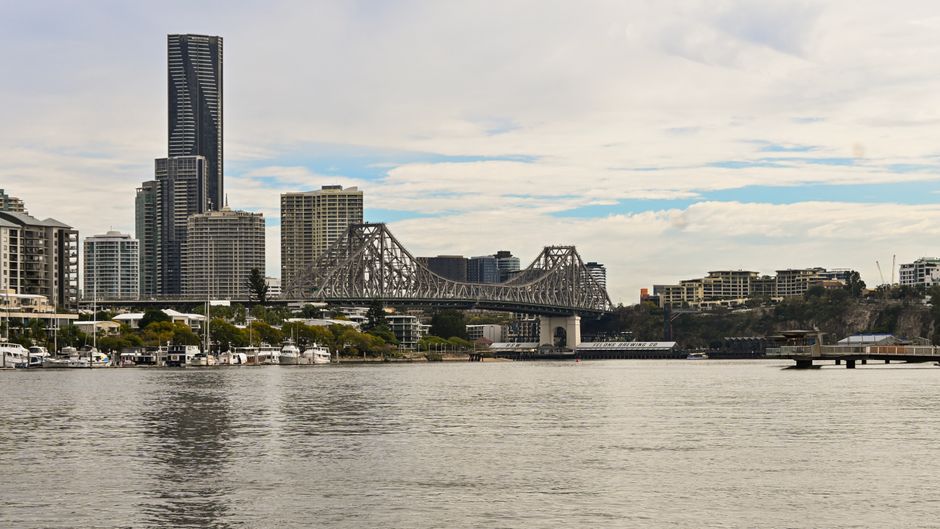
Brisbane is facing a unique challenge with duplicate image replacement, a phenomenon where identical images are being used in various contexts, leading to confusion and inefficiencies. This issue has become particularly relevant in the context of the city's preparation for the 2032 Olympics, where accurate and distinct visual representations are crucial for branding and marketing purposes.
The duplicate image replacement issue matters now because Brisbane is undergoing rapid transformation, with a population boom driven by migration from NSW and VIC, and significant investments in infrastructure, including the Gabba rebuild and development of the Logan and Ipswich corridors. As the city's profile rises, the need for distinct and accurate visual representations becomes increasingly important, making the duplicate image replacement issue a pressing concern that requires attention and resolution.
Locally, the duplicate image replacement issue is being felt in various areas, including the Brisbane Riverwalk, which stretches from the Brisbane CBD to the suburbs of West End and Kangaroo Point, and the South Bank Parklands, a popular tourist destination. Organisations such as the Brisbane City Council and the Queensland Government's Department of Tourism, Innovation and Sport are working to address the issue, in collaboration with local businesses and stakeholders, including the Brisbane Marketing agency and the Queensland Cricket Association, which is based at the Gabba.
According to data from the Australian Bureau of Statistics, the population of South East Queensland, which includes Brisbane, has grown by 12.4% between 2016 and 2021, with the median house price increasing by 34.6% to $743,000 over the same period. This rapid growth has put pressure on the city's infrastructure and services, including the management of visual assets and branding. For instance, the Brisbane City Council has reported that it has received over 500 requests for image replacements in the past year alone, with the majority of these requests coming from local businesses and event organisers.
In terms of practical advice, individuals and organisations can take steps to avoid contributing to the duplicate image replacement issue by ensuring that they use unique and distinct images in their marketing and branding materials. This can involve working with local photographers and designers to create custom images, or using image libraries that offer high-quality, unique visuals. Additionally, the Queensland Government's Department of Tourism, Innovation and Sport has established a guidelines for the use of images in tourism marketing, which provides guidance on best practices for image selection and usage.
Advertise
Reach thousands of Brisbane readers daily. Contact us at hello@dailybrisbane.com.au to advertise.
Get in touch →Daily Network
About this article
Published by The Daily Brisbane
Daily brief
Free, in your inbox before 7am. Weekdays.
More from The Daily Brisbane


