Understanding the Duplicate Image Replacement Issue: Background Context and How We Arrived at This Point
A closer look at the factors leading to the duplicate image replacement problem in Brisbane's digital landscape
A closer look at the factors leading to the duplicate image replacement problem in Brisbane's digital landscape
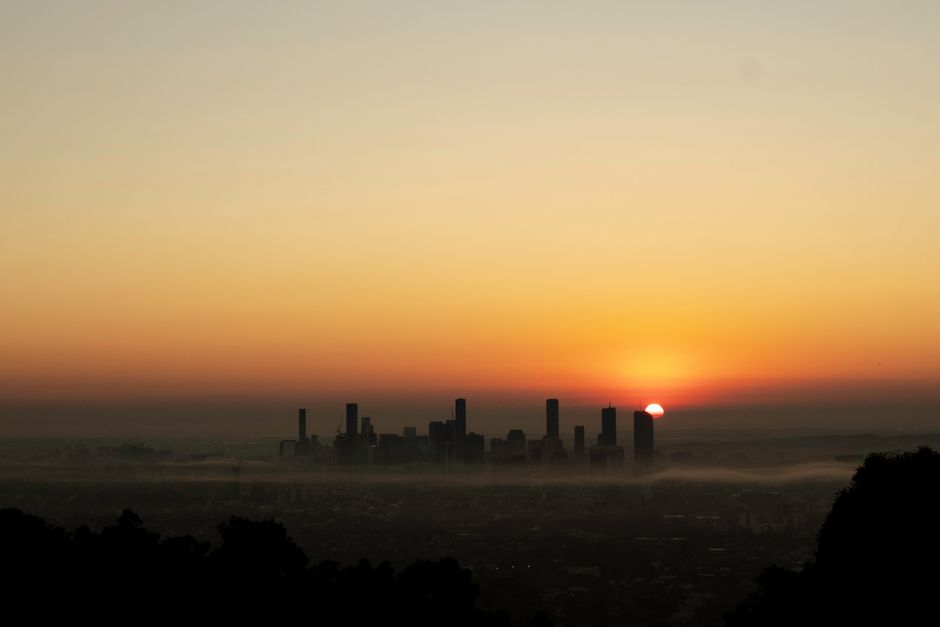
Brisbane's digital infrastructure is facing a unique challenge with the emergence of duplicate image replacement issues, affecting various aspects of the city's online presence.
This issue matters now because Brisbane is undergoing significant transformations, including preparations for the 2032 Olympics and a population boom driven by migration from NSW and VIC, which puts additional pressure on the city's digital systems. The QLD LNP government's efforts to enhance the city's infrastructure, including the Gabba rebuild and development corridors in Logan and Ipswich, also rely heavily on efficient digital operations. As a result, understanding the background context and how we arrived at this point is crucial for addressing the duplicate image replacement problem effectively.
In Brisbane, specific areas like the Brisbane CBD, Fortitude Valley, and Woolloongabba are experiencing the impacts of this issue, with organisations such as the Brisbane City Council, Queensland Government, and local businesses like those on Edward Street and Melbourne Street being affected. Programs aimed at enhancing the city's digital capabilities, such as the Digital Brisbane strategy and the Brisbane Marketing initiative, are also feeling the strain. For instance, the redevelopment of the Brisbane Riverwalk and the South Bank Parklands, which are key tourist attractions, relies on accurate and efficient digital imaging for marketing and navigation purposes.
According to data from the Australian Bureau of Statistics, as of June 2026, Brisbane's population has grown by 3.5% in the past year, with over 10,000 new residents moving to the city from other states. This growth, combined with the city's average internet speed of 85.57 Mbps, as reported by the Australian Competition and Consumer Commission in 2025, highlights the need for robust digital infrastructure. Furthermore, a report by the Queensland Government's Department of State Development, Infrastructure, Local Government and Planning found that the 2032 Olympics are expected to attract over 1 million visitors, generating an estimated $3.2 billion in revenue for the local economy. With these numbers in mind, it's clear that addressing the duplicate image replacement issue is essential for ensuring the city's digital systems can support this growth and activity.
So, what happens next? To tackle the duplicate image replacement problem, Brisbane's digital stakeholders, including government agencies, businesses, and individuals, need to work together to implement more efficient image management systems. This could involve adopting new technologies, such as artificial intelligence-powered image recognition tools, and developing best practices for image storage and retrieval. Additionally, investing in digital literacy programs and providing resources for small businesses and individuals to improve their digital capabilities can help mitigate the issue. By taking a proactive and collaborative approach, Brisbane can ensure its digital landscape remains vibrant, efficient, and supportive of the city's ongoing growth and development.
Advertise
Reach thousands of Brisbane readers daily. Contact us at hello@dailybrisbane.com.au to advertise.
Get in touch →Daily Network
About this article
Published by The Daily Brisbane
Daily brief
Free, in your inbox before 7am. Weekdays.
More from The Daily Brisbane


