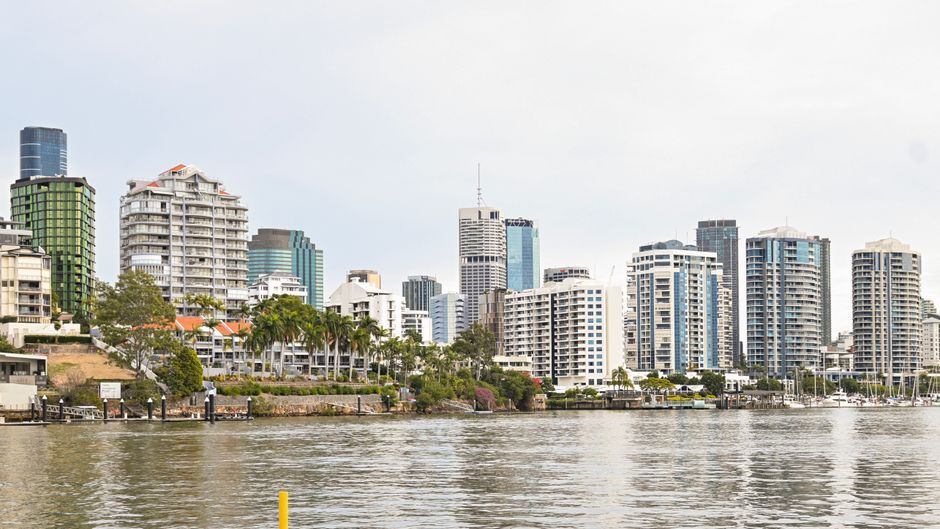
Duplicate imagery embedded in planning submissions across Brisbane's 2032 Olympic infrastructure corridor is creating delays, compliance headaches and, in at least some cases, outright errors in public records — and the people responsible for fixing it are only beginning to agree on how serious the problem is.
The issue sits at the intersection of two forces bearing down on Southeast Queensland simultaneously: a construction pipeline that planning consultants describe as the most compressed in the state's history, and document management systems inside Brisbane City Council and the Queensland Department of Housing, Local Government, Planning and Public Works that were designed for a fraction of the current submission volume.
What the Experts Are Saying
Urban documentation specialists at the Queensland University of Technology's Urban Informatics Research Lab in Kelvin Grove have been flagging the risks of duplicated or recycled site photography in development applications for more than two years. Their concern is specific: when project managers copy image assets between multiple development applications — to save time on large corridor projects from Ipswich Road through to the Gabba precinct — planning officers can end up assessing a building at the wrong address, or approving a design element based on a photograph of a different site entirely.
The problem is not theoretical. A planning industry roundtable held in the Fortitude Valley offices of the Planning Institute of Australia's Queensland chapter in May 2026 identified duplicate imagery as one of the top three administrative risks in the current development cycle, according to session notes circulated to members. Practitioners at that meeting described the SEQ population boom — driven heavily by interstate migration from New South Wales and Victoria — as compressing project timelines to the point where documentation quality control is routinely deprioritised.
Professionals working on corridor projects along the Logan and Ipswich development corridors say the volume of simultaneous residential and mixed-use applications has made systematic image auditing almost impossible without dedicated software. Brisbane City Council's PD Online portal, which handles the bulk of residential development applications, does not currently flag duplicate image files submitted across separate applications. That gap is what planners and archivists are most focused on closing.
The Gabba Rebuild Adds Pressure
The Gabba stadium rebuild, still a source of community and political debate in Woolloongabba and surrounding inner-south suburbs, has added a specific dimension to the issue. The project sits inside a precinct where dozens of private development applications have been lodged adjacent to or alongside Olympic infrastructure planning documents. Imagery from Olympic-related planning materials has, according to professionals working in the field, sometimes been inadvertently incorporated into private submissions — or vice versa — precisely because the precincts overlap and project files are large and unwieldy.
The Queensland Department of Housing, Local Government, Planning and Public Works launched a review of digital submission standards in March 2026, with a final report expected by the end of the third quarter of this year. The review is specifically examining metadata standards for images embedded in development applications, including file-naming protocols and cross-referencing requirements.
Digital archivists at the State Library of Queensland on Stanley Place in South Brisbane have separately flagged the longer-term heritage risk: if duplicated or mislabelled images become embedded in the permanent public record of the Olympic construction era, correcting that record decades later becomes extremely difficult. The State Library holds responsibility for the Queensland State Archives digital infrastructure under a shared-services arrangement established in 2019.
For property developers and their consultants, the practical advice circulating through industry bodies right now is straightforward: audit image metadata before lodging any application, ensure every photograph is geotagged to the correct address, and maintain a separate image library for each discrete project. The Planning Institute of Australia Queensland chapter is expected to release updated guidance on digital submission standards before the end of July 2026.
With the Olympic construction pipeline unlikely to ease before 2029, and SEQ's population forecast to keep climbing, the window for getting these systems right is narrower than it looks.