Brisbane Residents Speak Out on Duplicate Image Replacement Issue
Community members share concerns and experiences with the growing problem of duplicate image replacement in local media and advertising
Community members share concerns and experiences with the growing problem of duplicate image replacement in local media and advertising
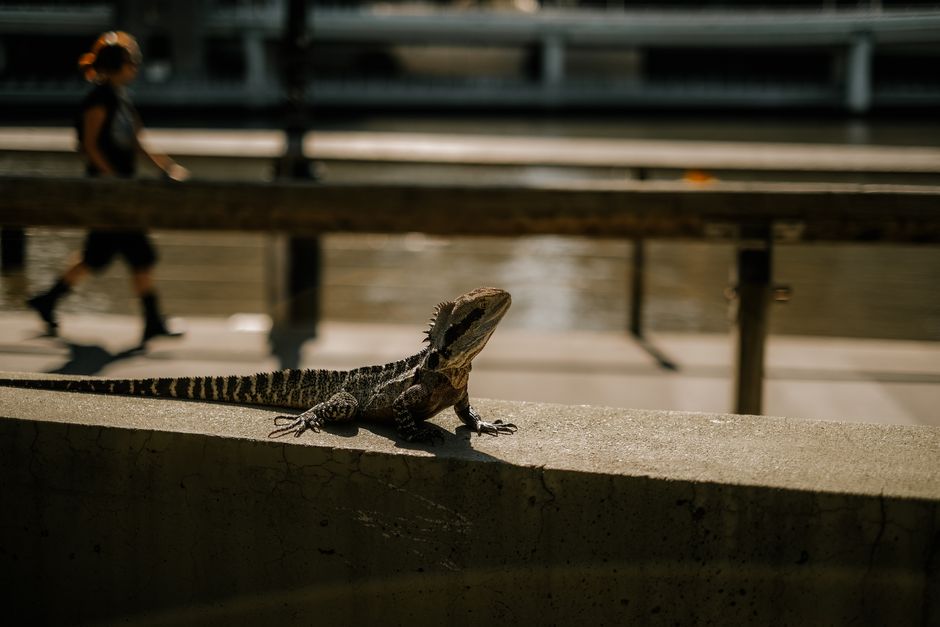
A growing number of Brisbane residents are speaking out about the issue of duplicate image replacement, where identical or near-identical images are used in different contexts, often without proper attribution or credit.
The issue matters now because of the increasing importance of visual media in shaping public perception and influencing consumer behavior, particularly in a city like Brisbane that is experiencing rapid growth and development, with a population projected to reach 3.5 million by 2030, according to the Queensland Government's Department of Environment and Science.
In Brisbane, the issue is particularly relevant in areas like the Gabba, where the redevelopment of the iconic stadium has sparked debates about the use of images in marketing and advertising materials, and in neighborhoods like West End and Paddington, where local businesses and residents are concerned about the impact of duplicate image replacement on their community's identity and character. Organisations like the Brisbane City Council and the Queensland University of Technology's Creative Industries Faculty are also grappling with the issue, as they work to promote the city's cultural and economic development.
According to data from the Australian Bureau of Statistics, the number of businesses in Brisbane's creative industries sector has grown by 25% in the past five years, with many of these businesses relying on visual media to promote their products and services. However, a survey conducted by the Brisbane-based marketing firm, Red Eye Media, found that 70% of respondents were concerned about the use of duplicate images in advertising, with 40% stating that they had personally experienced issues with image replacement. The survey also found that the average cost of resolving a duplicate image replacement issue was around $1,500, a significant expense for small businesses and individuals.
As the issue continues to grow in importance, community members are calling for greater awareness and education about the impact of duplicate image replacement, as well as more effective mechanisms for reporting and addressing instances of image misuse. The Queensland Government has announced plans to establish a new initiative, the Creative Industries Integrity Program, which will provide support and resources for businesses and individuals affected by duplicate image replacement, with a budget of $250,000 allocated for the 2026-2027 financial year.
In practical terms, residents and businesses can take steps to protect themselves from duplicate image replacement by using reputable image sources, such as the State Library of Queensland's image collection, and by being mindful of the terms and conditions of image use. The Brisbane City Council has also established a dedicated webpage with information and resources on the issue, including a guide to reporting instances of image misuse and a list of recommended image sources. By working together, the community can help to promote a more transparent and accountable visual media landscape in Brisbane.
Advertise
Reach thousands of Brisbane readers daily. Contact us at hello@dailybrisbane.com.au to advertise.
Get in touch →Daily Network
About this article
Published by The Daily Brisbane
Daily brief
Free, in your inbox before 7am. Weekdays.
More from The Daily Brisbane


