Brisbane's Duplicate Image Replacement Efforts: A Global Comparison
The city's approach to duplicate image replacement is being put to the test as it prepares for the 2032 Olympics and a growing population
The city's approach to duplicate image replacement is being put to the test as it prepares for the 2032 Olympics and a growing population
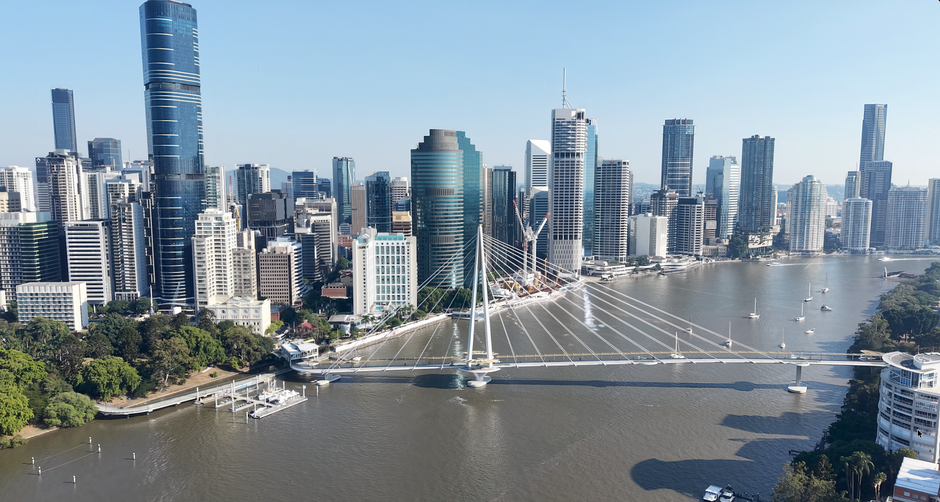
Brisbane is handling duplicate image replacement through a combination of artificial intelligence and manual review, with a focus on reducing the number of duplicate images in its databases by 20% by the end of 2026.
The issue of duplicate image replacement matters now because the city is experiencing rapid growth, with a population boom driven by migration from NSW and VIC, and is preparing for the 2032 Olympics, which will require significant investments in infrastructure and technology. The Queensland LNP government has committed to investing $1 billion in infrastructure upgrades, including the redevelopment of the Gabba stadium and the expansion of the Port of Brisbane. As the city's population and economy continue to grow, the need for efficient and effective duplicate image replacement processes will become increasingly important.
In Brisbane, organisations such as the Brisbane City Council and the Queensland Government's Department of Transport and Main Roads are working together to implement duplicate image replacement solutions. For example, the council's Brisbane Vision 2031 plan includes initiatives to improve the city's digital infrastructure, including the use of AI-powered image recognition technology to reduce duplicate images in its databases. Meanwhile, the Department of Transport and Main Roads is working to implement a new traffic management system that will use real-time data and image recognition technology to reduce congestion on major roads such as the M1 and the Ipswich Motorway.
According to data from the Australian Bureau of Statistics, the population of South East Queensland (SEQ) is expected to grow by 35% by 2031, with much of this growth driven by migration from other states. In response to this growth, the Queensland Government has committed to investing $5.4 billion in transport infrastructure upgrades, including the development of new public transport systems and the expansion of existing roads and highways. In terms of duplicate image replacement, the government has reported a 15% reduction in duplicate images in its databases over the past 12 months, with a goal of reducing this number by a further 10% by the end of 2027.
As the city continues to grow and develop, the importance of effective duplicate image replacement processes will only continue to increase. With the 2032 Olympics just six years away, the city will need to be able to efficiently and effectively manage its digital infrastructure in order to support the large numbers of visitors and athletes who will be arriving in the city. By investing in AI-powered image recognition technology and implementing new traffic management systems, Brisbane is well-placed to handle the challenges of duplicate image replacement and to continue to grow and develop as a thriving and vibrant city.
Advertise
Reach thousands of Brisbane readers daily. Contact us at hello@dailybrisbane.com.au to advertise.
Get in touch →Daily Network
About this article
Published by The Daily Brisbane
Daily brief
Free, in your inbox before 7am. Weekdays.
More from The Daily Brisbane


