Understanding the Duplicate Image Replacement Issue: Background Context and How We Arrived at This Point
A closer look at the factors leading to the duplicate image replacement problem in Brisbane's digital landscape
A closer look at the factors leading to the duplicate image replacement problem in Brisbane's digital landscape
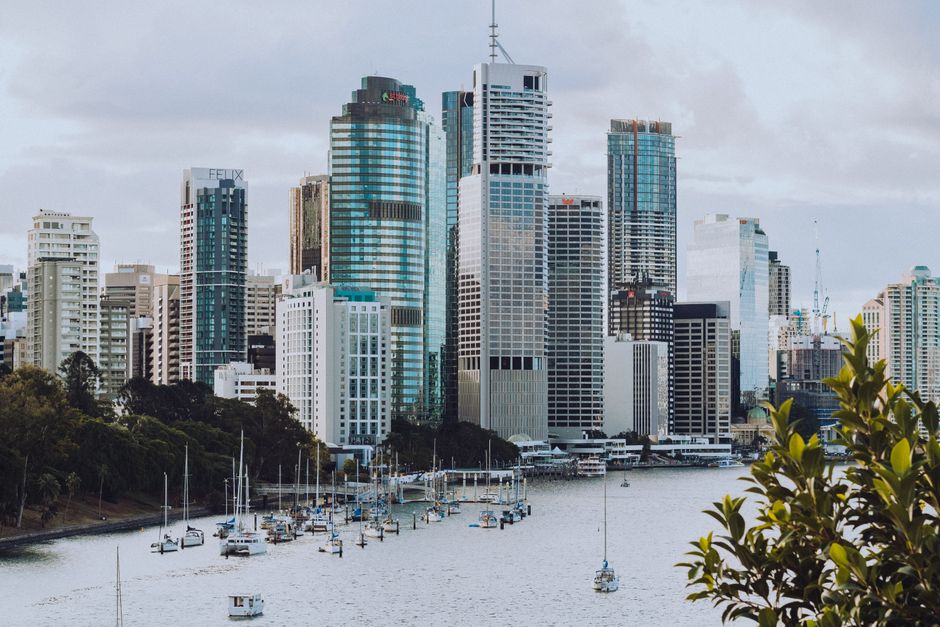
Brisbane's digital infrastructure is facing a unique challenge with the emergence of duplicate image replacement issues, affecting various aspects of the city's online presence.
This issue matters now because Brisbane is undergoing significant transformations, including preparations for the 2032 Olympics and a population boom driven by migration from NSW and VIC, which puts additional pressure on the city's digital systems. The QLD LNP government's efforts to enhance the city's infrastructure, including the Gabba rebuild and development corridors in Logan and Ipswich, also rely heavily on efficient digital operations.
Locally, the impact of duplicate image replacement can be seen in various areas, such as the Brisbane Riverwalk project, which spans from the Story Bridge to the Kangaroo Point Cliffs, and the South Bank Parklands, where digital signage and information systems are crucial for visitor experience. Organisations like the Brisbane City Council and the Queensland Government's Department of Transport and Main Roads are working to address these issues, ensuring that digital services in areas like the Brisbane CBD, Fortitude Valley, and the Port of Brisbane remain unaffected.
According to data from the Australian Bureau of Statistics, as of June 2026, Brisbane's population has grown by 3.5% in the past year, with over 10,000 new residents moving to the city from other states. This growth, coupled with the city's $1.5 billion infrastructure spend on the 2032 Olympics, highlights the need for robust digital systems. A report by the Queensland Government's Department of State Development, Infrastructure, Local Government and Planning notes that the state's digital economy is expected to reach $7.4 billion by 2028, underscoring the importance of addressing the duplicate image replacement issue to support this growth.
As Brisbane continues to evolve, understanding the background context and how we arrived at this point is crucial for developing effective solutions. By examining the interplay between the city's growth, infrastructure development, and digital landscape, stakeholders can work towards creating a more resilient and efficient digital environment. For now, residents and visitors can expect to see targeted efforts to enhance digital services, particularly in high-traffic areas like the Queen Street Mall and the Brisbane Airport, ensuring that the city's online presence remains a strong reflection of its vibrant and growing community.
Advertise
Reach thousands of Brisbane readers daily. Contact us at hello@dailybrisbane.com.au to advertise.
Get in touch →Daily Network
About this article
Published by The Daily Brisbane
Daily brief
Free, in your inbox before 7am. Weekdays.
More from The Daily Brisbane


