Renewable Energy Zones Brisbane: Solar & Wind Fast-Track
Queensland's 2026 renewable energy zone reforms accelerate solar and wind farms across Logan and Ipswich. Brisbane households could see lower power bills within five years.
Queensland's 2026 renewable energy zone reforms accelerate solar and wind farms across Logan and Ipswich. Brisbane households could see lower power bills within five years.
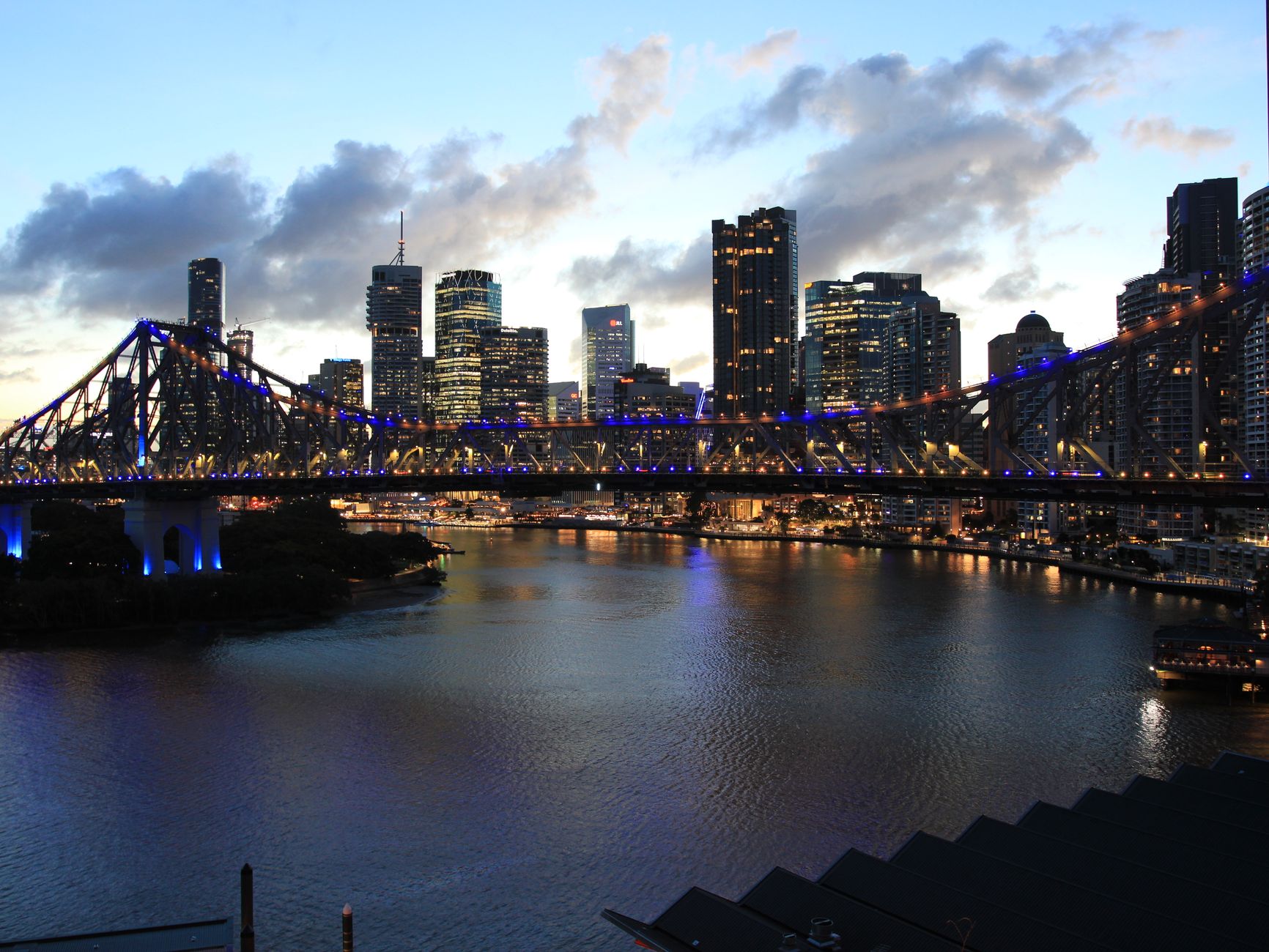
Queensland's overhaul of renewable energy zoning rules, formally adopted in the 2026 State Budget, is expected to accelerate large-scale solar and wind farms across South East Queensland, with direct implications for Brisbane residents' power bills and local employment in the construction and energy sectors.
The reforms streamline approvals for renewable energy projects within designated zones stretching from the Logan Valley south-west through to Ipswich and the Scenic Rim. By reducing assessment timeframes from 18 to 12 months for projects under 200 megawatts, the policy creates fewer procedural delays for developers. Local advocates and planning analysts note that faster project delivery typically translates to earlier electricity generation and grid supply, which can help moderate wholesale power costs over the medium term. The Queensland Treasury's own modelling suggests the policy could bring forward approximately 1,200 megawatts of renewable capacity across SEQ by 2030, though actual outcomes depend on market conditions and investment decisions beyond government control.
For Brisbane households, the timing matters. Greater coal plant retirements are expected across 2027 to 2032, creating grid capacity that renewable projects are designed to fill. Policy experts say projects unlocked by these zone reforms could supply roughly 30 per cent of SEQ's electricity demand by 2032, overlapping with the infrastructure intensity of the 2032 Olympic Games and ongoing population growth in the Logan and Ipswich corridors. While wholesale electricity costs are determined by national market forces, improved supply diversity and reduced transmission constraints through local generation can help stabilise regional pricing.
The reforms also carry employment signals. Major construction phases for utility-scale solar and wind farms typically create 200 to 500 jobs per project over two to three years. The Ipswich and Logan development corridors, which already form part of the Queensland Government's SEQ Growth Plan, stand to attract project activity that could benefit local apprenticeships and skilled trades. These are temporary jobs, though some ongoing operations and maintenance roles remain after construction.
Community concerns about land use, visual impact and noise from wind projects have prompted the government to require mandatory 1.5-kilometre setbacks from residences in the Scenic Rim zone. Residents in affected areas will have formal consultation rights during project assessments, though final approval authority remains with the state government.
The policy takes effect immediately, with the first batch of pre-lodged applications expected to be processed by mid-2027.
This article was compiled by AI and screened before publishing. See our editorial standards.
Sponsored
Lorem ipsum dolor sit amet, consectetur adipiscing elit. Reach engaged Brisbane readers with sponsored placements that look and feel like the rest of the paper.
Become a partner →Daily Network
About this article
Published by The Daily Brisbane
Daily brief
Free, in your inbox before 7am. Weekdays.
More from The Daily Brisbane


