First-Time Buyers' Map: Finding Your Foothold in Brisbane's 2026 Hotspots
With the market shifting and Olympics infrastructure reshaping the city, here's where new entrants can still find value across Brisbane's fastest-changing neighbourhoods.
With the market shifting and Olympics infrastructure reshaping the city, here's where new entrants can still find value across Brisbane's fastest-changing neighbourhoods.
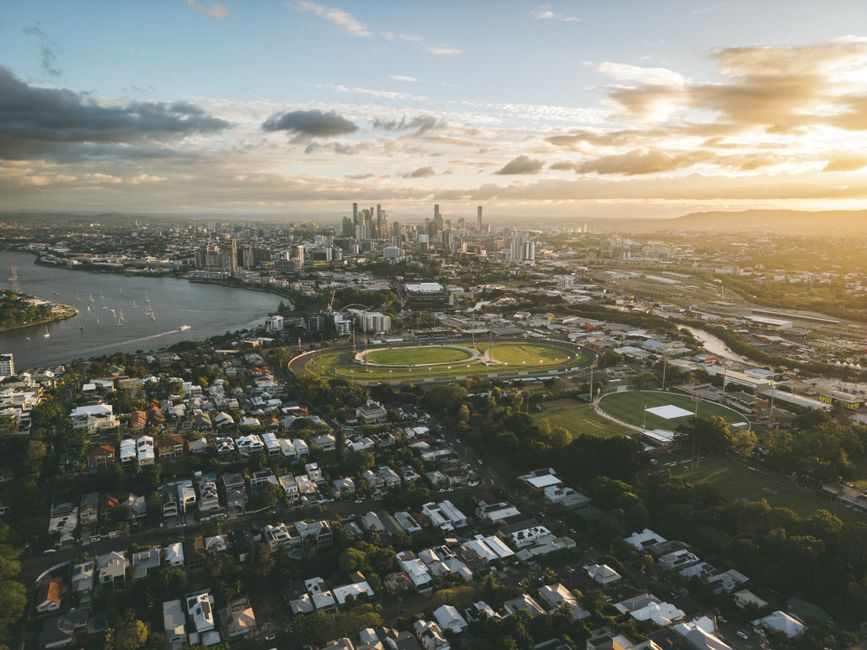
Brisbane's property landscape has fractured into distinct zones for first-time buyers in 2026. While the city median sits around $780,000, savvy newcomers understand that location strategy matters more than ever—especially with interstate migration from NSW and Victoria keeping pressure on established hotspots.
The Northside continues drawing young professionals. West End remains the gateway suburb, though $900,000+ is now baseline for a two-bedroom near the neighbourhood's cafes and South Bank Parklands access. However, nearby Dutton Park offers similar amenities with 10-15 per cent less premium, making it a smarter entry point for those willing to add 15 minutes to their commute. The Williams Street precinct here is quietly reshaping with new mixed-use developments.
Paddington appeals to buyers seeking village charm without the West End price tag. Tree-lined streets and proximity to the Valley's nightlife mean apartments in converted Queenslanders start around $650,000—realistic territory for first-timers pooling resources. The ongoing revitalisation of Latrobe Terrace suggests further appreciation.
South of the river, Southbank itself remains premium, but the surrounding outer suburbs warrant attention. Woolloongabba is experiencing meaningful lift, particularly near the M1 corridor and approaching Southbank—essential for commuters. New builds in this pocket run $550,000-$750,000, offering modern convenience to those prioritising proximity to employment hubs.
Don't overlook the Olympics effect. Suburbs along the proposed Games infrastructure corridors—particularly around Alexandria and Bowen Hills—are attracting developer interest ahead of 2032. First-timers with five-year horizons should track announcements about light rail extensions and transport hubs; these typically precede significant value uplift.
For investors and owner-occupiers with tighter budgets, suburbs like Fortitude Valley present anomalies. Once considered purely commercial, residential conversion has accelerated. Unit apartments starting at $480,000 offer renovation potential and the lifestyle factor that drives long-term demand.
The clearance rate puzzle—empty land selling at nearly $2 million despite recent lows—signals developer confidence rather than mainstream market exuberance. First-timers shouldn't chase headline deals; instead, focus on fundamentals: transport links (the Cross River Rail project completion in 2027 will reshape commute patterns), infrastructure investment, and local amenity.
Engage with local real estate forums and attend open houses across multiple suburbs. The market has shifted toward suburbs offering value-for-lifestyle rather than prestige addresses. Smart navigation means understanding your genuine commute requirements and growth timeline, then backing unsexy, practical locations over fashionable postcodes where bidding wars consume budgets faster than equity builds.
This article was compiled by AI from the sources linked above and screened before publishing. See our editorial standards.
Sponsored
Lorem ipsum dolor sit amet, consectetur adipiscing elit. Reach engaged Brisbane readers with sponsored placements that look and feel like the rest of the paper.
Become a partner →Daily Network
About this article
Published by The Daily Brisbane
Daily brief
Free, in your inbox before 7am. Weekdays.
More from The Daily Brisbane