Rapid Transit Link to Nudge Springfield Into Brisbane's Next Commuter Boom
A $2.4 billion orbital rail corridor under construction will slash commute times and unlock thousands of new homes in the western growth corridor.
A $2.4 billion orbital rail corridor under construction will slash commute times and unlock thousands of new homes in the western growth corridor.
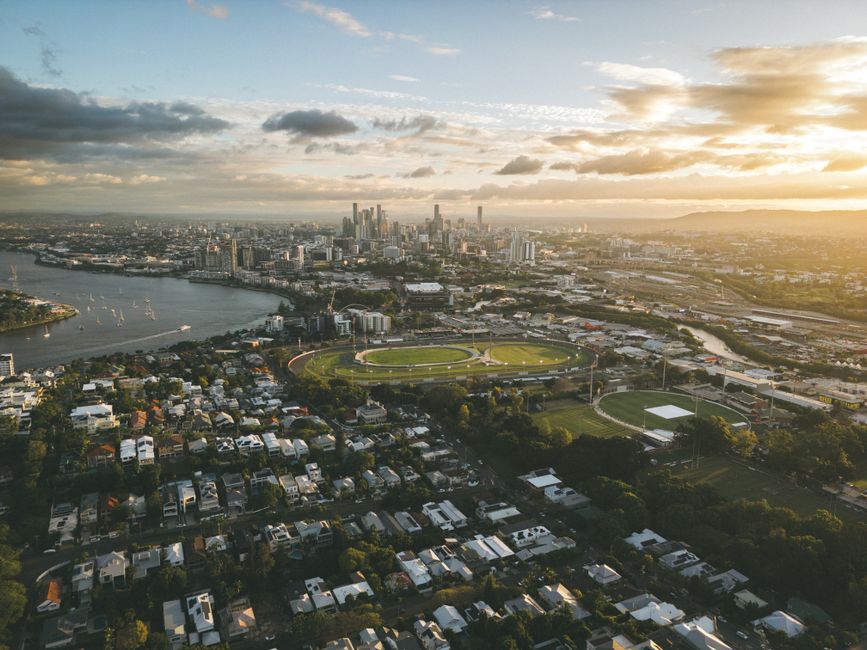
Springfield has long been Brisbane's sleeping giant—a master-planned satellite city with shopping centres and corporate parks but without the transport arterial to truly unlock its residential potential. That's about to change dramatically.
The Springfield to Ipswich rapid transit corridor, currently under construction and scheduled for completion in 2028, will transform the suburb from a car-dependent employment hub into a genuine commuter bedroom for inner-Brisbane workers. The 23-kilometre rail link will cut travel times from Springfield to the CBD to just 35 minutes, compared with the current 50-plus-minute drive via the Ipswich Motorway during peak hours.
Already, developers are taking notice. Three major residential estates have been greenlit along the corridor's northern reaches, with combined approvals for more than 1,200 dwelling lots. This follows the Queensland government's recent planning reforms that fast-tracked development applications within two kilometres of the planned stations.
"What we're seeing is classic transport-led growth," says Dr Michael Chen, urban economist at the University of Queensland's Urban Research Program. "Springfield sits at the sweet spot—far enough from central Brisbane to offer affordable family homes, close enough now to be within commuting distance."
Current median prices in Springfield hover around $595,000 for a four-bedroom house, roughly 23 per cent below the Queensland median of $780,000. That differential is likely to narrow considerably once the rail line opens. Similar corridors in Melbourne and Sydney have seen price growth of 8 to 12 per cent annually in the three years following major transport upgrades.
The upgrade also addresses a critical issue: Springfield's existing population of 40,000 has grown faster than local infrastructure could support. New schools, a second hospital precinct, and expanded retail are being coordinated with the rail rollout. The Springfield Central shopping precinct, already anchored by major retailers, is earmarked for a $150 million mixed-use expansion.
Property agents report renewed investor interest in the area, particularly from interstate buyers relocating from Sydney and Melbourne. "We're getting serious enquiries from owner-occupiers who work in the CBD and want to avoid the mortgage premiums of Southside suburbs," one local agency director noted.
For Brisbane's property market, already reshaped by Olympics-driven infrastructure spending and interstate migration, Springfield represents the next frontier—a pre-Olympic-boom growth story playing out in real time.
This article was compiled by AI and screened before publishing. See our editorial standards.
Sponsored
Lorem ipsum dolor sit amet, consectetur adipiscing elit. Reach engaged Brisbane readers with sponsored placements that look and feel like the rest of the paper.
Become a partner →Daily Network
About this article
Published by The Daily Brisbane
Daily brief
Free, in your inbox before 7am. Weekdays.
More from The Daily Brisbane