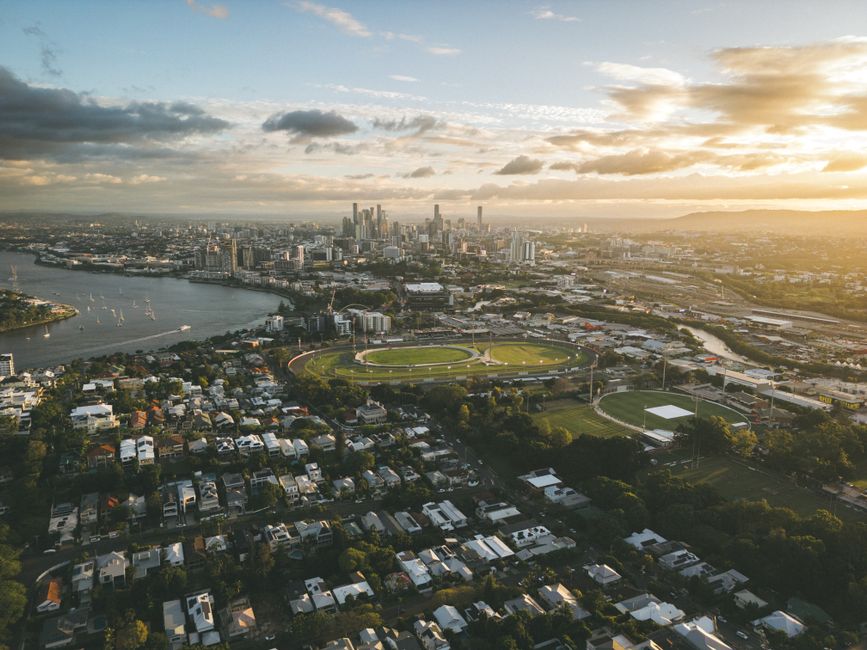
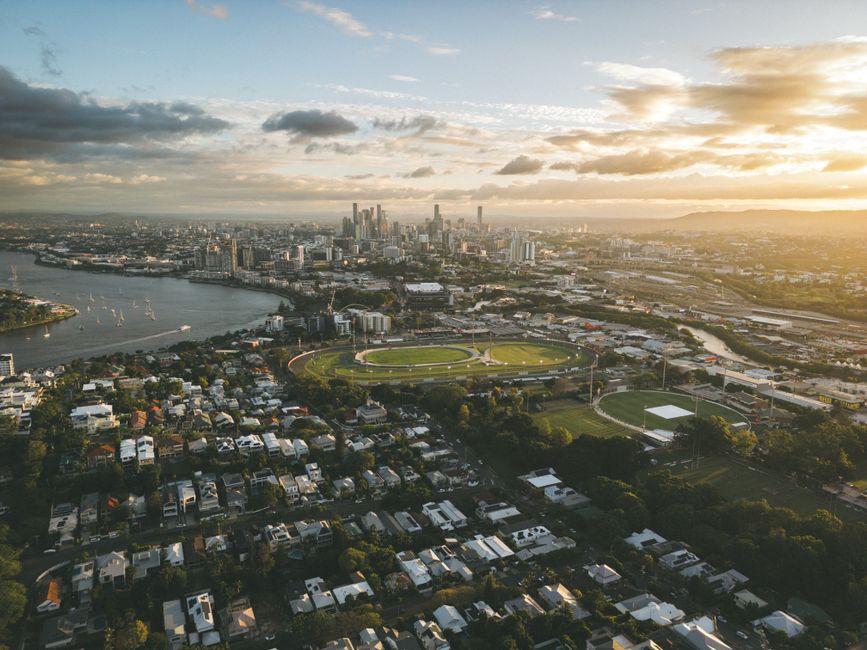
Spring sales surge: why Brisbane's winter auctions fade as the weather warms
Historical data shows the city's property auction calendar swings dramatically between seasons, with spring volumes nearly double winter's tepid pace.
Historical data shows the city's property auction calendar swings dramatically between seasons, with spring volumes nearly double winter's tepid pace.
Brisbane's property auction calendar follows a rhythm as predictable as the seasons themselves. Winter brings a trickle of listings to the block, while spring unleashes a flood—and the numbers tell a stark story about when sellers and buyers choose to make their moves.
Real Estate Institute of Queensland data over the past five years reveals a consistent pattern: June and July typically see auction volumes hover around 800–950 weekly across the greater Brisbane area, while September through November regularly spike to 1,600–1,900 listings. That's nearly double the winter offering, with clearance rates often climbing alongside volume.
The phenomenon isn't mysterious. "Winter is hibernation season," says the conventional wisdom in agent circles along the South Bank precinct and throughout Bulimba, where waterfront properties command premium prices regardless of temperature. Families with school-age children won't disrupt routines mid-term. Cosmetic appeal matters less when gardens are dormant and spring bulbs haven't emerged. Vendors hesitate to open their homes when heating bills spike and early sunsets discourage open-house traffic.
Spring changes everything. September's longer daylight hours, warming temperatures, and the psychological fresh-start vibe of the new season align perfectly with moving house. Parents time sales and purchases around school holidays. Gardens burst into colour. Properties photograph better, and buyer foot traffic increases dramatically—particularly crucial in competitive Southside hotspots like Camp Hill and Ascot, where median prices circle $1.2 million.
The interstate migration wave flowing into Brisbane from NSW and Victoria compounds this seasonality. Winter arrivals are typically work-driven transfers who accept available inventory. Spring movers often represent families choosing Brisbane lifestyle and can afford to wait for optimal market conditions and property presentation.
Clearance rates frequently reflect this supply-demand asymmetry. Winter auctions often achieve 65–72% clearance, artificially boosted by low volumes of seriously committed vendors. Spring clearance typically falls to 58–68%—lower percentages masking higher absolute sales because the denominator expands so dramatically.
For buyers, winter's scarcity creates negotiation leverage on limited stock. For sellers, spring's abundance means competition but greater buyer choice and momentum. The Queensland Real Estate Institute and local agency networks across Brisbane's major nodes—from the inner-city rush of South Brisbane through the established appeal of West End—have documented this pattern consistently.
As winter winds down toward Brisbane's spring surge in coming months, expect the auction boards to fill rapidly. History suggests it won't be a trickle. It'll be a flood.
This article was compiled by AI and screened before publishing. See our editorial standards.
Sponsored
Lorem ipsum dolor sit amet, consectetur adipiscing elit. Reach engaged Brisbane readers with sponsored placements that look and feel like the rest of the paper.
Become a partner →Daily Network
About this article
Published by The Daily Brisbane
Daily brief
Free, in your inbox before 7am. Weekdays.
More from The Daily Brisbane