Brisbane property market Q2 2026: growth slows amid uncertainty
Brisbane property prices decelerate in Q2 2026 as rate hikes cool demand. South Brisbane and West End record 2.1% growth while interstate buyers seek value ahead of Olympic boom.
Brisbane property prices decelerate in Q2 2026 as rate hikes cool demand. South Brisbane and West End record 2.1% growth while interstate buyers seek value ahead of Olympic boom.
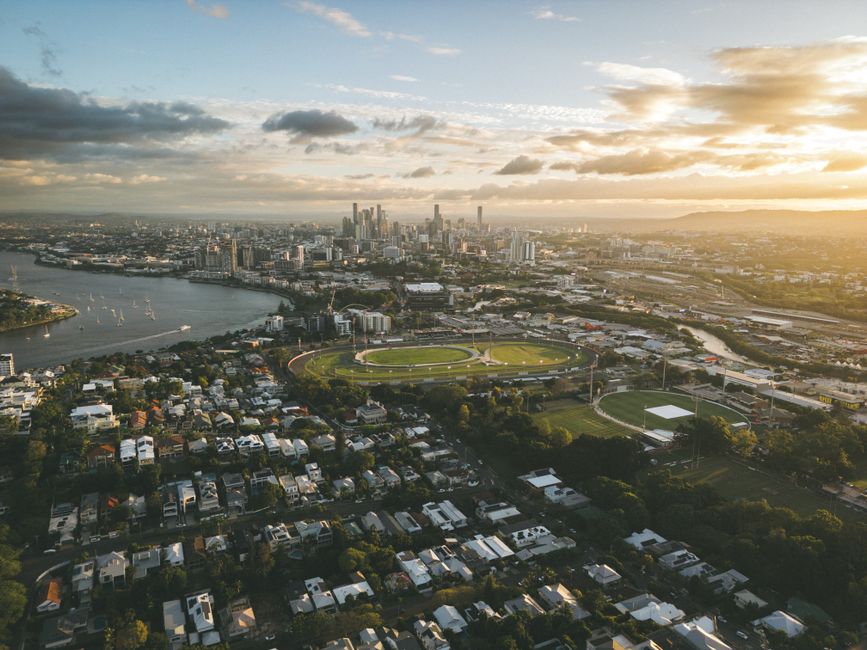
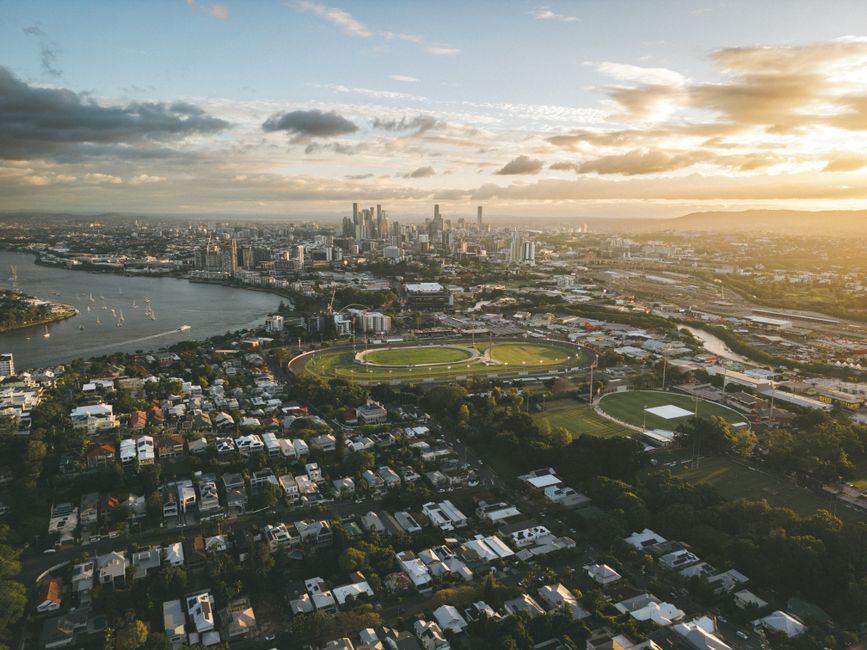
Brisbane's property market has entered a more measured phase, with second-quarter 2026 growth trailing last year's figures across most suburbs—a shift that reflects the cumulative impact of rate hikes and interstate migration trends that remain strong but no longer frenzied.
The Queensland median of $780,000 masks the story unfolding in individual precincts. South Brisbane and West End, perennial drawcards for young professionals and downsizers, recorded quarterly growth of 2.1 per cent to June 2026, compared to 4.8 per cent in the same quarter last year. The slowdown mirrors broader buyer caution, though agents report steady inquiry from interstate buyers—particularly from Sydney and Melbourne—who view Brisbane as value despite the correction.
More telling is the divergence across the city's neighbourhoods. Bulimba and Camp Hill on the southside have held momentum better, with quarterly gains of 2.8 per cent year-on-year, bolstered by proximity to the proposed Games precinct corridors and established amenity around Bulimba Avenue's restaurants and Brisbane River parks. Conversely, outer suburbs like Springfield and Waterford, which surged during 2024's remote-work boom, have flatlined—growth sitting at just 0.3 per cent quarterly against 3.2 per cent last June.
The northside tells a similar tale. Ashgrove and Keperra, long favoured by families commuting to the CBD or Brisbane Airport, posted 1.9 per cent quarterly growth compared to 3.5 per cent a year earlier. Yet suburbs within the Olympic Games infrastructure corridor—particularly around the Kangaroo Point Cliffs and along the Brisbane Valley Way—continue to attract developer activity and remain on investor radars.
Interest rate volatility has dampened the speculative energy of 2024, when media coverage of Olympic opportunities sparked rapid buying. Loan serviceability assessments remain tight, and first-home buyers—traditionally Brisbane's growth engine—report delayed decisions pending clarity on the RBA's next moves.
What stands out in Q2 2026 data is the stickiness of established inner-city suburbs. Teneriffe, New Farm, and St Lucia maintained respectable 2.4 per cent quarterly growth, underpinned by lifestyle demand and rental yields that continue to attract investors despite rate pressures. These areas have largely avoided the sharper corrections seen in outer growth corridors.
Property analysts note that year-on-year comparisons remain skewed by last year's exuberance. The market's true health lies in consistent, modest gains—precisely what Brisbane is delivering now. With the Olympics still six years away and infrastructure projects accelerating, the outlook hinges less on quarterly fireworks and more on whether buyer sentiment can stabilise amid economic uncertainty.
This article was compiled by AI and screened before publishing. See our editorial standards.
Sponsored
Lorem ipsum dolor sit amet, consectetur adipiscing elit. Reach engaged Brisbane readers with sponsored placements that look and feel like the rest of the paper.
Become a partner →Daily Network
About this article
Published by The Daily Brisbane
Daily brief
Free, in your inbox before 7am. Weekdays.
More from The Daily Brisbane