First-home buyers hunting for bargains as Brisbane's entry-level market finds new rhythm
With rates holding steady and competition easing, Queensland's youngest property owners are finally getting a look-in at suburbs they'd written off two years ago.
Brisbane's first-home buyer market is showing unmistakable signs of life, after nearly two years of being priced out by investors and downsizers with deeper pockets. Real estate agents across the city report a modest but meaningful uptick in activity among under-40 purchasers, particularly in suburbs within the 15-kilometre radius where median values hover between $550,000 and $680,000.
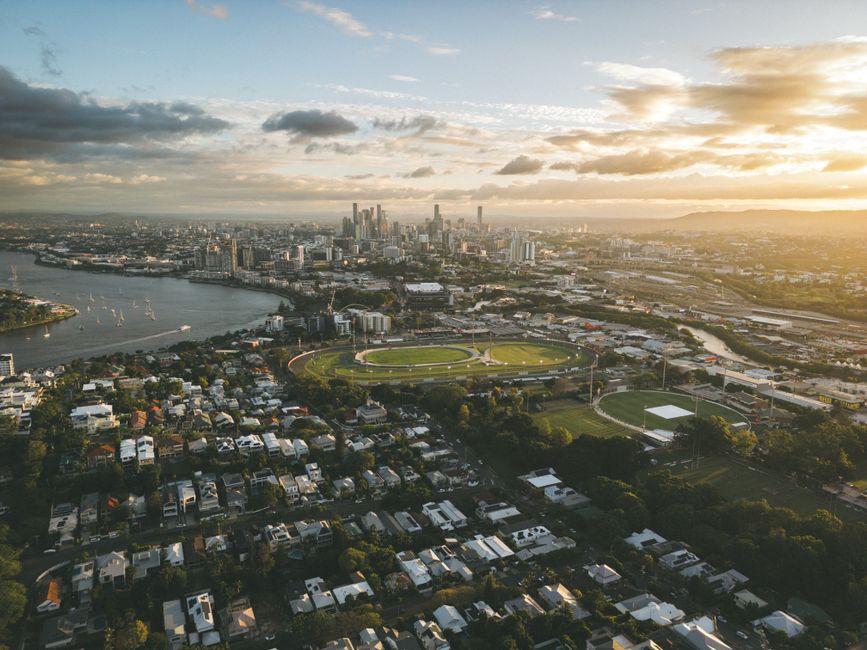
The shift reflects both market conditions and migration patterns reshaping Queensland. While the state's median price sits around $780,000, entry-level opportunities in established areas—particularly along the Northside corridors of Chermside, Nundah and Lutwyche, and Southside pockets including Tarragindi and Algester—have become more accessible as investor activity cools. Young buyers are no longer just eyeing off outer greenfield estates; they're returning to inner-ring suburbs with transport links and local character.
"We're seeing first-home buyers become serious again," says one local agent active in the Bowen Hills and New Farm precincts, where character homes and apartment options compete for attention. Properties in these neighbourhoods, often listed between $620,000 and $720,000, are attracting genuine owner-occupiers rather than sitting in bidding wars dominated by interstate relocators.
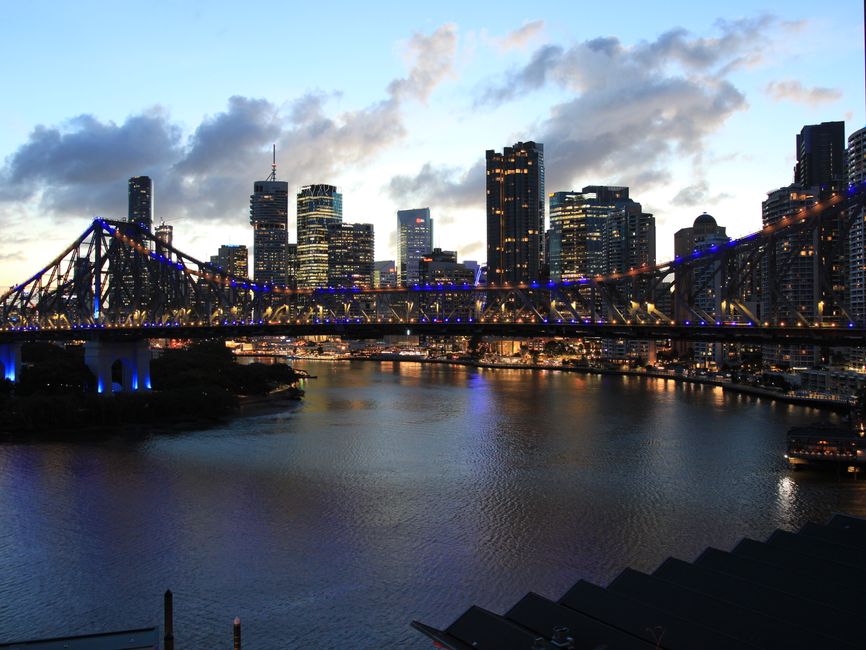
The Reserve Bank's steadier interest rate stance—holding the cash rate at 4.35 per cent—has offered psychological relief, even if borrowing capacity remains tight. First-home buyer enquiries at the Real Estate Institute of Queensland suggest activity has climbed roughly 12–15 per cent since April, with particular strength in suburbs offering a blend of affordability and proximity to the Brisbane CBD or major employment zones like the Southbank cultural precinct.
However, serviceability remains the elephant in the room. A $600,000 purchase still demands a household income north of $120,000 to secure comfortable lending approval, pricing out many first-home buyers relying on single incomes or working in lower-wage sectors. Government incentives, including Queensland's First Home Buyers' Grant, continue to sweeten deals, but stamp duty relief remains a key drawcard for those shopping in the $500,000–$700,000 bracket.
The 2032 Olympics infrastructure pipeline is also reshaping buyer psychology. Suburbs along proposed Games transport corridors—including areas around future Games venues—are attracting younger investors willing to hold for the longer term, though genuine first-home buyers are largely focused on immediate livability and existing amenity rather than speculative development upside.
For Brisbane's youngest property owners, winter 2026 represents a genuine window. Whether it widens or closes again depends heavily on the RBA's next move—and the flood of interstate buyers showing no signs of slowing.
This article was compiled by AI and screened before publishing. See our editorial standards.
Sponsored
SponsoredPromoted by a Brisbane partner
Partner Content
Lorem ipsum dolor sit amet, consectetur adipiscing elit. Reach engaged Brisbane readers with sponsored placements that look and feel like the rest of the paper.