Brisbane Apartments: South Bank Tower to Reshape Inner-City Prices
New 520-apartment South Bank development approved for 2029. What does this $680M Brisbane property project mean for buyers and investors as prices near $565K?
New 520-apartment South Bank development approved for 2029. What does this $680M Brisbane property project mean for buyers and investors as prices near $565K?
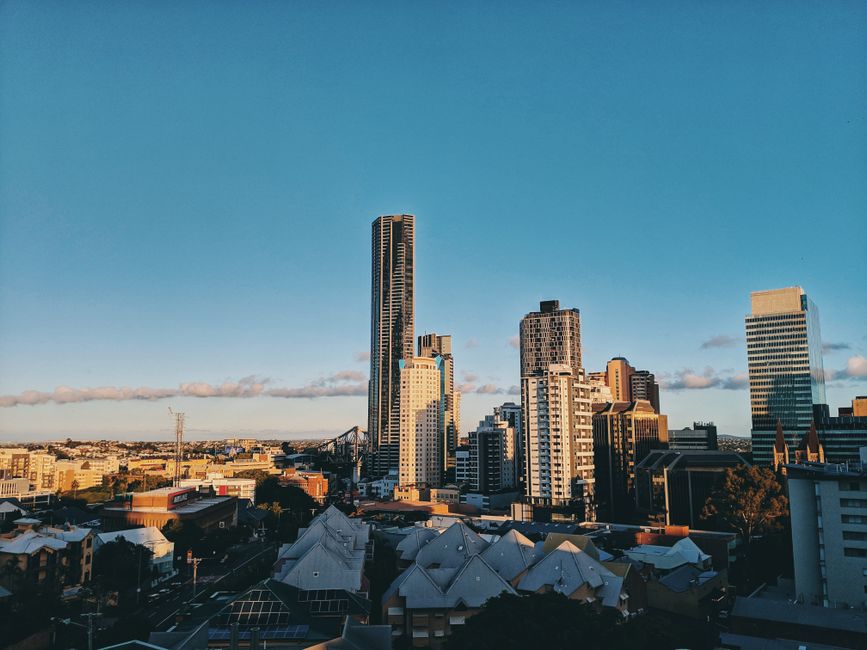
Brisbane's apartment market is entering a new growth phase. The Queensland government's recent approval of a $680 million residential tower at Grey Street in South Bank—scheduled for completion in 2029—underscores the city's shifting development priorities and raises crucial questions for investors and owner-occupiers alike.
The 47-storey development, which will deliver approximately 520 apartments ranging from studios to three-bedroom layouts, arrives at a pivotal moment. With the median apartment price across Brisbane's inner suburbs hovering around $565,000 and interstate migration from New South Wales and Victoria accelerating, supply-side moves like this carry real market weight.
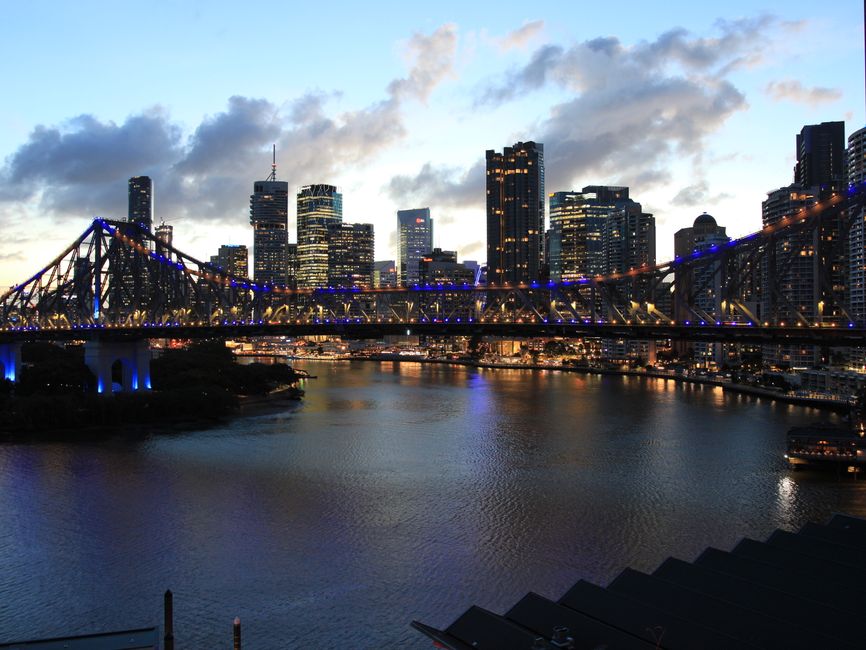
South Bank has long been a magnet for apartment seekers drawn to proximity to the cultural precinct, parks, and the river. The neighbourhood's established appeal—strengthened by proximity to the Queensland Museum, Gallery of Modern Art, and Southbank Parklands—means new supply here doesn't cannibalise demand elsewhere. Rather, it signals confidence that Brisbane can absorb quality stock in established precincts.
What's particularly noteworthy is the development's timing relative to Olympic infrastructure spending. The 2032 Games momentum has already catalysed transport upgrades and neighbourhood activation across the Northside and into the inner-west. A new South Bank tower taps into that longer-term confidence while offering developers certainty on planning approval windows.
For investors, the arrival matters. Existing apartment stock in South Bank—typically trading between $580,000 and $750,000 depending on size and views—may face modest pressure as new competitor stock emerges. However, established buildings with premium positioning, river frontage, or heritage appeal are unlikely to be materially displaced. First-time buyers, conversely, may find fresher options and potentially more competitive pricing as developers differentiate on finishes and amenities.
The broader implication extends to Brisbane's apartment market maturity. For years, the city lagged Melbourne and Sydney in apartment supply diversity. Recent approvals across Fortitude Valley, Woolloongabba, and South Bank suggest planning frameworks are finally enabling the density that Queensland's population growth demands. At current interstate migration rates, that supply cushion is needed.
Market observers should watch how pre-sales perform. If the South Bank tower achieves strong early uptake, expect the development approval pipeline for comparable inner-Brisbane sites to accelerate further. Conversely, slower sales might signal buyer hesitation about oversupply—a signal that would ripple across the broader market.
The apartment market is no longer Brisbane's afterthought. Towers like this one confirm it's becoming central to how the city houses its future.
This article was compiled by AI and screened before publishing. See our editorial standards.
Sponsored
Lorem ipsum dolor sit amet, consectetur adipiscing elit. Reach engaged Brisbane readers with sponsored placements that look and feel like the rest of the paper.
Become a partner →Daily Network
About this article
Published by The Daily Brisbane
Daily brief
Free, in your inbox before 7am. Weekdays.
More from The Daily Brisbane