How much rent is too much? The 30% rule in practice
As Brisbane rents climb toward $2,000 a month, financial advisers say the classic affordability benchmark is under strain—but it still matters.
As Brisbane rents climb toward $2,000 a month, financial advisers say the classic affordability benchmark is under strain—but it still matters.
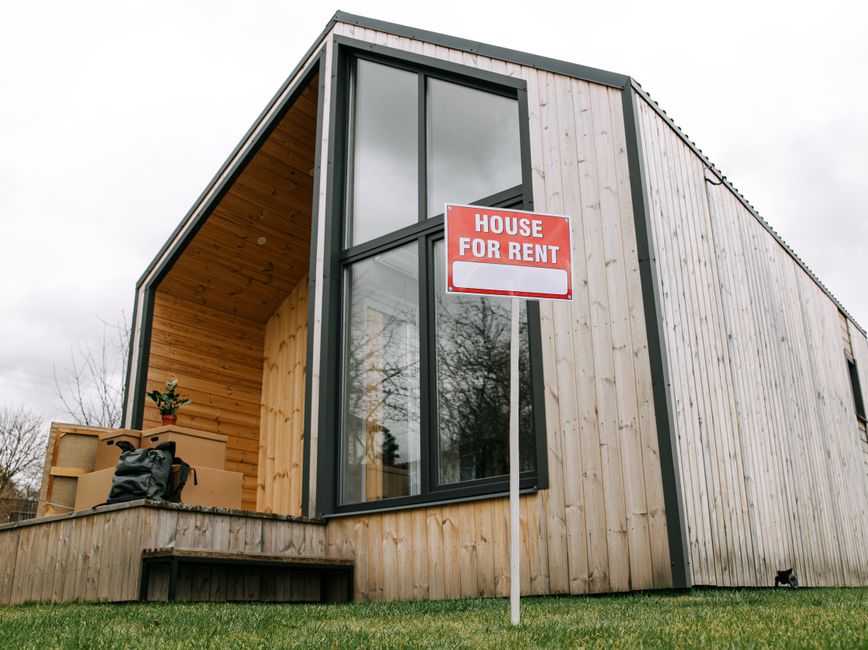
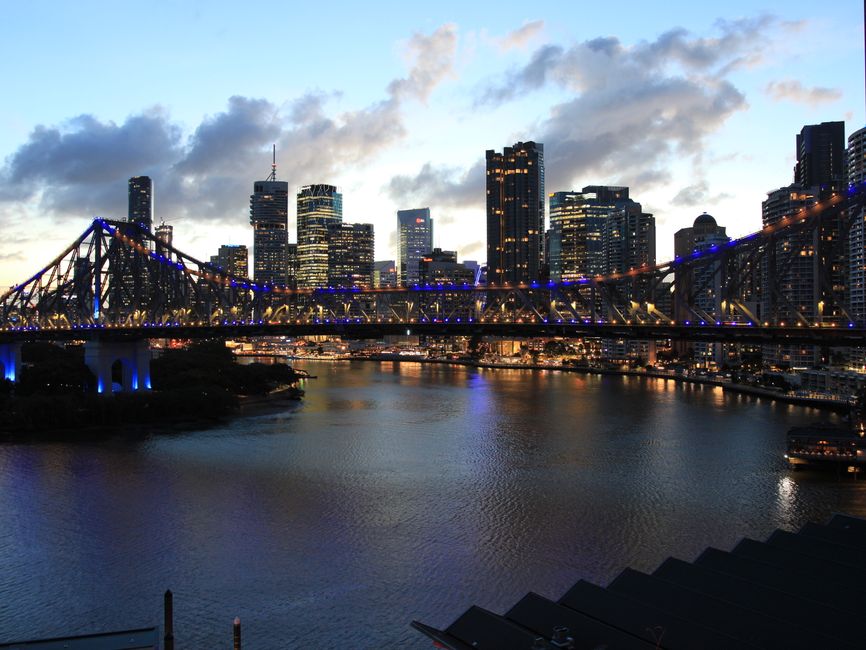
The financial rule is simple: spend no more than 30 per cent of your gross income on rent. For a Brisbane household earning $80,000 annually, that means a ceiling of about $2,000 per month. Yet in pockets from West End to Paddington, and increasingly across South Bank and New Farm, that threshold is becoming a luxury many renters simply cannot afford.
Brisbane's median rental for a two-bedroom apartment now hovers around $1,850, according to recent market data. A three-bedroom house in inner suburbs like Fortitude Valley or Kangaroo Point sits closer to $2,300. That leaves little room for households on median or below-median incomes—and virtually no buffer for those on minimum wage, where the 30 per cent rule evaporates entirely.
The paradox facing Brisbane's renters is stark: homeownership feels further away than ever, with the median house price sitting near $780,000 statewide. Yet renting has become equally precarious for many. Mortgage-holding investors seeking yield amid higher interest rates are pushing rents upward, while the rental vacancy rate remains historically tight at under 1 per cent across greater Brisbane.
For young professionals drawn north by corporate relocation or those fleeing Sydney and Melbourne's even steeper rents, Brisbane once represented relief. But that narrative is shifting. A 25-year-old graduate earning $55,000 working at one of the South Bank corporate towers cannot sustain a $1,700 apartment rent without sacrificing savings, transport costs, or food security.
Financial counsellors say the 30 per cent benchmark remains a useful circuit-breaker, even if it is increasingly breached. "It signals when rent is consuming too much of the household budget," explains one adviser. "What we're seeing now is people forced to choose: stay in the city and squeeze, or move further west to suburbs like Ipswich or Toowoomba where a three-bedroom might be $1,600."
That pressure is reshaping Brisbane's geography. The Northside suburbs along the rail corridor—from Nundah through to Ashgrove—are absorbing younger renters priced out of inner areas. Meanwhile, Olympics-linked infrastructure investment is paradoxically making some precinct rents (around Olympic Park and along the Brisbane River) less accessible to ordinary workers.
With interest rates holding firm and the RBA signalling caution, relief through cheaper borrowing remains distant. For renters, the 30 per cent rule is less a guideline than a receding memory. The real question now is what happens when it breaks entirely.
This article was compiled by AI and screened before publishing. See our editorial standards.
Sponsored
Lorem ipsum dolor sit amet, consectetur adipiscing elit. Reach engaged Brisbane readers with sponsored placements that look and feel like the rest of the paper.
Become a partner →Daily Network
About this article
Published by The Daily Brisbane
Daily brief
Free, in your inbox before 7am. Weekdays.
More from The Daily Brisbane