First Home Buyer Grants in Brisbane 2026: What the Numbers Actually Show Investors and Buyers
Queensland's grant and concession stack is reshaping entry-level suburbs — and the yield data is making landlords pay attention.
Queensland's grant and concession stack is reshaping entry-level suburbs — and the yield data is making landlords pay attention.
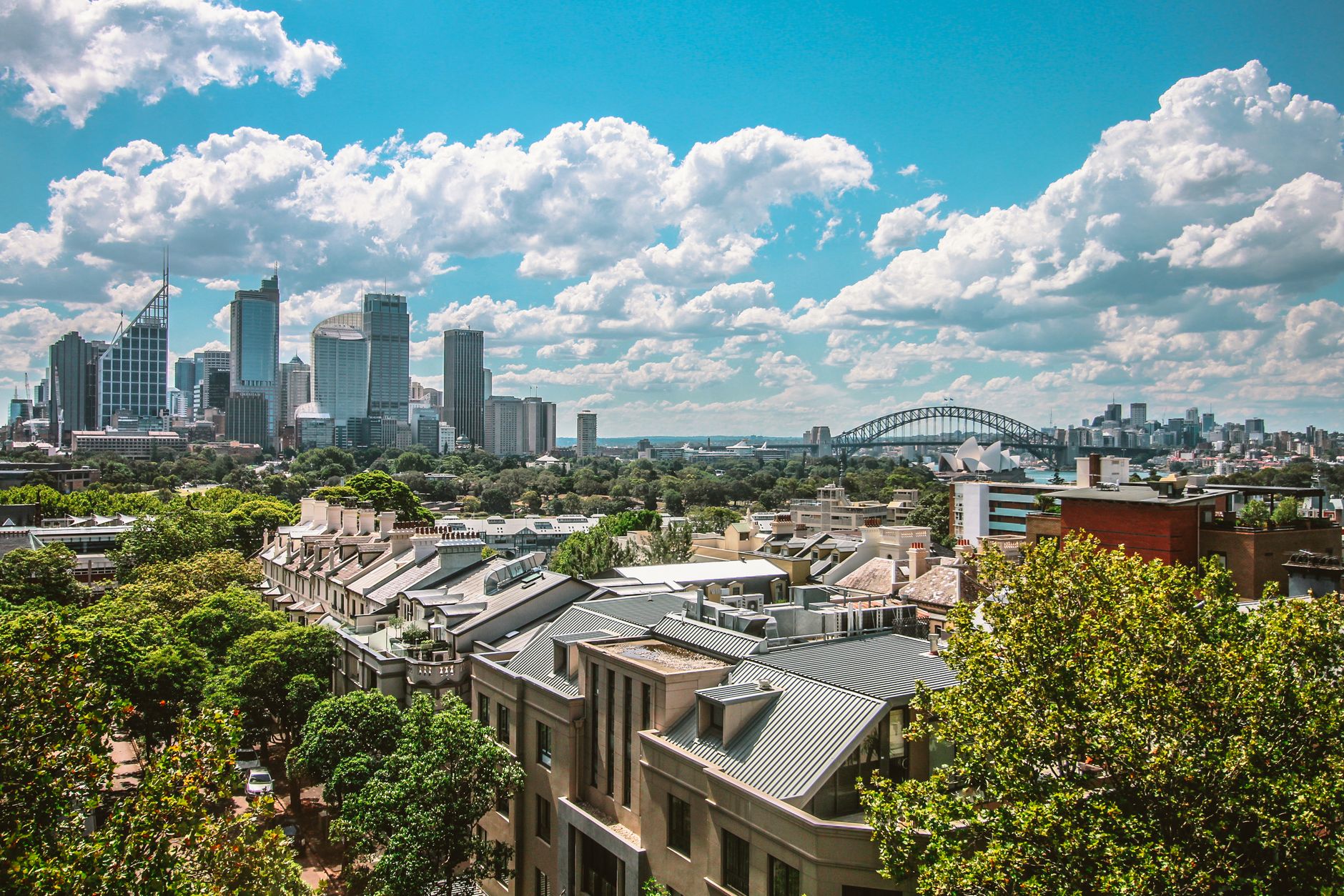
Queensland's first home buyer support system is pumping roughly $45,000 worth of combined concessions into eligible purchases right now, and the ripple effects are showing up in gross rental yields across Brisbane's inner and middle rings in ways that neither buyers nor investors expected.
The timing matters. With Brisbane's median house price sitting at approximately $780,000 and stamp duty bills on a $700,000 purchase now clearing $24,525 after concessions — down from the full $27,850 — the Queensland First Home Owners' Grant of $30,000 is doing real lifting for buyers targeting the city's outer corridors. But the grant only applies to new builds, which is funnelling demand into a very specific slice of the market and handing landlords in established suburbs an unexpected advantage.
The Queensland government's First Home Concession cuts transfer duty to zero on purchases up to $500,000 and phases out at $550,000. At current Brisbane prices, that threshold eliminates almost all standalone houses inside the inner ring. Buyers chasing the full exemption are pushing north toward Strathpine and Narangba on the Moreton Bay Rail Link corridor, or south to Logan Central and Marsden, where land-and-house packages on new estates are still findable sub-$550,000.
The Household Resilience Program run by the Queensland Department of Housing is a separate instrument, focused on energy upgrades rather than purchase costs, but it's worth flagging because it affects the ongoing cost profile of homes buyers select. Properties in Northside suburbs like Zillmere and Bracken Ridge that attract the upgrade subsidy are recording lower holding costs, which makes them more defensible for first-time buyers trying to survive the first two years of a mortgage.
The Queensland Shared Equity scheme, administered through Queensland Housing Finance Loan, allows eligible buyers to purchase with a government co-contribution of up to 25 percent on established homes or 30 percent on new builds. The income cap sits at $90,000 for singles and $120,000 for couples. That structure effectively prices most Brisbane dual-income professional households out of eligibility — but it remains a functional pathway for single parents and lower-income buyers in suburbs like Inala and Woodridge, where median house prices are still tracking under $650,000.
Here is where it gets interesting for landlords. The grant-driven surge in new construction — particularly in the Ripley Valley in Ipswich and the Caboolture West precinct — is producing gross yields of 4.1 to 4.6 percent on completed stock, according to figures circulating among property managers in the southeast Queensland market mid-2026. That sounds reasonable until you factor in body corporate fees on townhouse product and the depreciation schedule on a brand-new build, which typically front-loads deductions but compresses capital growth in the first five years.
Established houses in Chermside West and Stafford Heights, by contrast, are trading at lower initial yields — around 3.6 to 3.9 percent gross — but with tighter vacancy rates hovering near 1.2 percent as first home buyers who miss the grant threshold funnel into the rental pool instead. The 2032 Olympic infrastructure corridor, which runs through Woolloongabba and out along the Inner City Bypass precinct, is already lifting land valuations in a 3-kilometre radius, compressing yields further on existing stock but pushing capital growth expectations higher.
The practical reality for anyone trying to use the current concession architecture: the $30,000 grant on new builds is a genuine subsidy, not a nominal one, but buyers need to scrutinise whether the developer's land component is inflated to capture the grant premium. Several Moreton Bay estate listings reviewed this week show land priced $18,000 to $25,000 above comparable resale allotments in the same corridor — a discount that partially erodes the headline government support.
Buyers should request a sworn valuation independent of the developer's recommended valuer, check the Queensland Revenue Office's online duty calculator before signing any contract of sale, and confirm shared equity eligibility through Queensland Housing Finance Loan directly rather than through a builder's sales office. The concessions are real. So are the traps built around them.
Advertise
Reach thousands of Brisbane readers daily. Contact us at hello@dailybrisbane.com.au to advertise.
Get in touch →Daily Network
About this article
Published by The Daily Brisbane
Daily brief
Free, in your inbox before 7am. Weekdays.
More from The Daily Brisbane


