Ripley Rockets Ahead: Growth Corridor Suburb Rides Infrastructure Boom
Southwest of Brisbane, Ripley’s housing market surges on the back of new schools, improved transport and a $1.5 billion masterplanned development.
Southwest of Brisbane, Ripley’s housing market surges on the back of new schools, improved transport and a $1.5 billion masterplanned development.
Once a sleepy patchwork of fields between Springfield and Ipswich, Ripley has shot to the top of Brisbane’s property watchlists in 2026, powered by a rush of new infrastructure and its strategic place in south-east Queensland’s urban spine.
The southwest growth corridor is seeing the fastest population increase in the state, according to Queensland Government’s latest SEQ Regional Plan. With the 2032 Olympics fuelling major upgrades across Greater Brisbane, suburbs like Ripley are absorbing demand from interstate arrivals and squeezed inner-city renters. Local buyers’ agents say new train stations and schooling investments are putting areas south of the Centenary Highway front-and-centre for both families and investors priced out of Brisbane’s core.
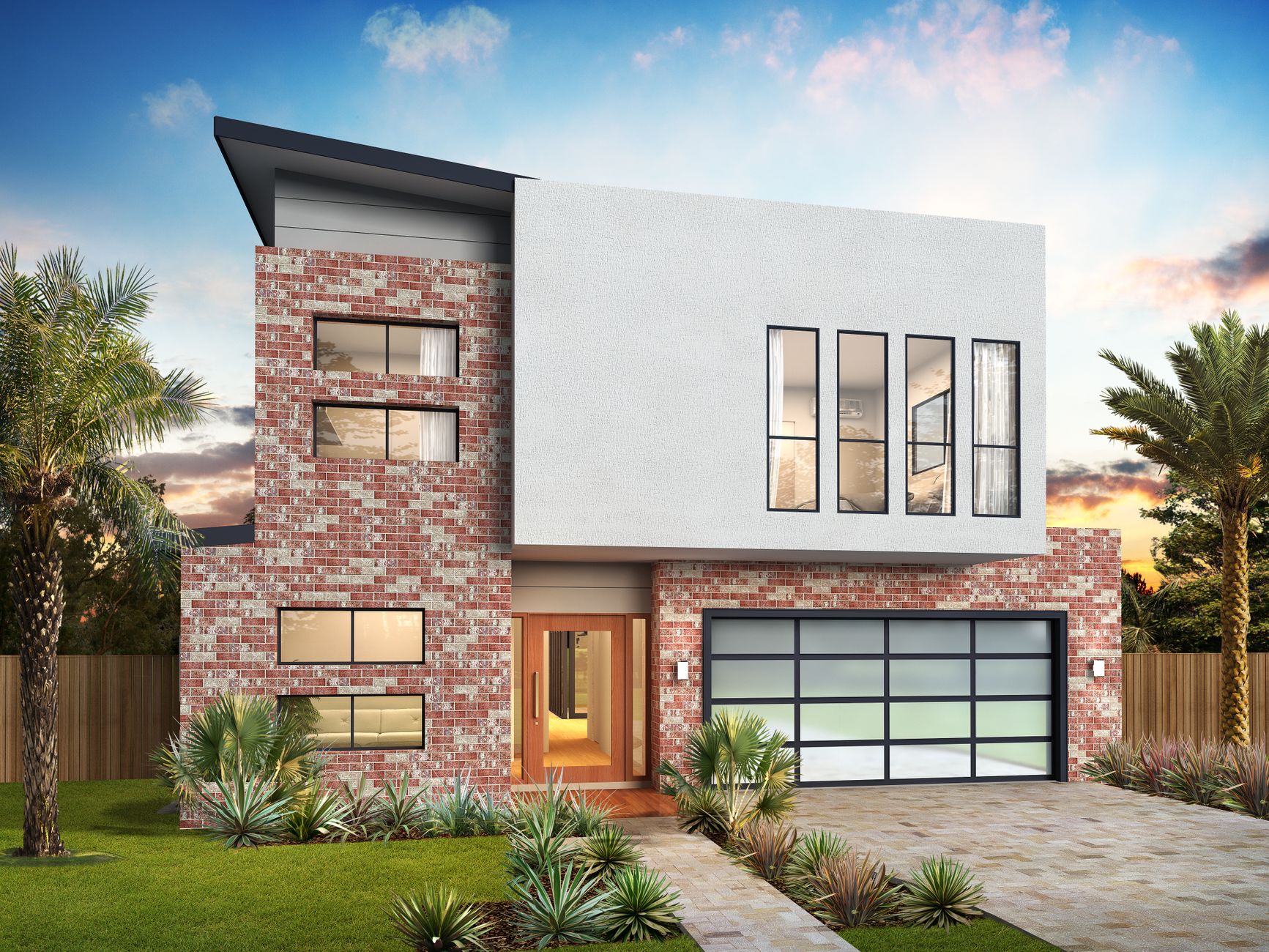
The $1.5 billion Ripley Town Centre, a Lendlease-led masterplanned precinct, has transformed the landscape. Just off Ripley Road and the Centenary Highway, it now features a full-service Coles, medical superclinic, and a growing cluster of cafes and childcare centres. Next door, the recently completed Ripley Valley State School and Ripley Valley State Secondary College on Binnies Road have helped attract hundreds of families since the first classrooms opened in 2020. Local bus routes have also been extended, weaving through Providence Estate and connecting newly settled streets to Ipswich rail, while construction on the Ripley station, part of the planned Springfield-to-Ipswich public transport upgrade, is scheduled within the next five years.
Median house prices in Ripley have leapt from $550,000 to $650,000 over the past 18 months, according to CoreLogic data released in June. The suburb’s yearly price growth rate of 15.7 per cent eclipses both the state average and neighbouring hotspots like Springfield Lakes and Augustine Heights. New house-and-land packages in Providence start from just over $600,000—a far cry from the $1 million-plus required for much older stock on Brisbane’s Northside. Local agents from Ray White Ipswich report that investor enquiries, especially from Sydney and Melbourne, have more than doubled since work began on the Ripley Town Centre’s next retail extension in March.
Despite increasing supply, low vacancy rates—hovering at just 1.2 per cent according to SQM Research—are putting pressure on both renters and would-be buyers. Weekly rents for new three-bedroom homes now average $520, up from $460 at the start of 2025.
With Olympic corridor infrastructure set to accelerate, the next stage of Ripley’s growth hinges on the delivery of the promised Springfield-Ipswich rail link and continued commercial development at Ripley Town Centre. Buyers eyeing the area should scrutinise builder reputations and planned street upgrades, as ongoing land releases mean some neighbourhoods are still dusty construction zones. Local planners anticipate more schooling and retail facilities along Providence Parade and the entry to Deebing Heights within two years.
For savvy investors and homebuyers wanting a foothold in a rapidly changing suburb—with supermarket, school and rail access all in one postcode—Ripley remains one of southeast Brisbane’s most compelling new addresses.
Advertise
Reach thousands of Brisbane readers daily. Contact us at hello@dailybrisbane.com.au to advertise.
Get in touch →Daily Network
About this article
Published by The Daily Brisbane
Daily brief
Free, in your inbox before 7am. Weekdays.
More from The Daily Brisbane