Brisbane Planning Shifts: New Policy Decisions Reshape Property Market
Major council rezoning, landmark heritage projects and updated flood resilience guidelines are redrawing the map for buyers and developers across the city.
Major council rezoning, landmark heritage projects and updated flood resilience guidelines are redrawing the map for buyers and developers across the city.
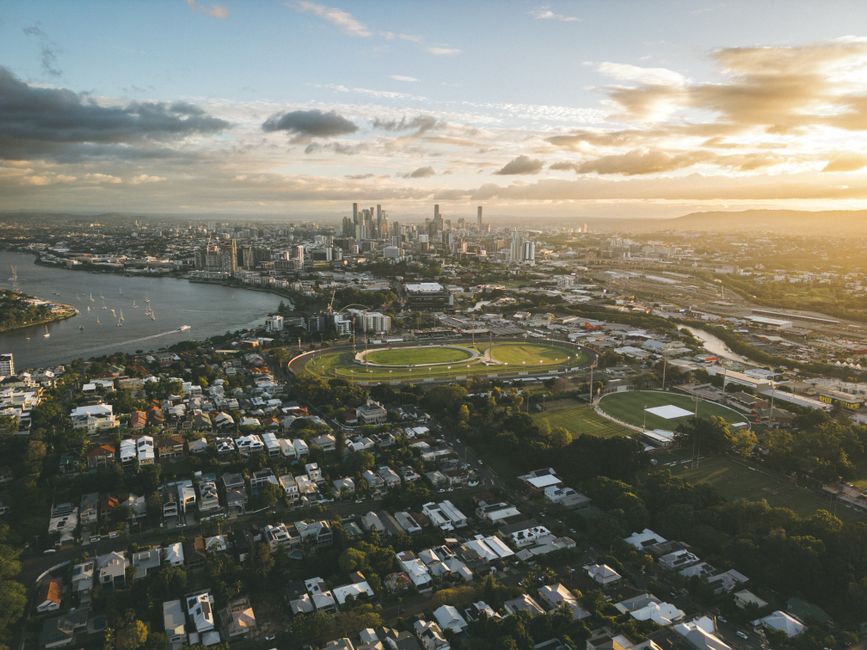
Brisbane City Council has ticked off a raft of zoning and planning policy changes this week, fast-tracking infill development along major northern and southern corridors, and giving the nod to controversial luxury redevelopments at riverfront sites including Kangaroo Point. The decisions are already sending ripples through the city’s residential property market, with on-the-ground agents reporting surging interest and abrupt price movements in affected suburbs.
These policy shifts come at a critical time for Brisbane, with interstate migration continuing at pace and the city’s median house price now brushing $780,000, according to the latest CoreLogic published last month. Layer on the mounting infrastructure works for the Olympics 2032 buildout, and it’s prime time for city hall to clarify what, where and how Brisbane will be allowed to grow. For buyers, sellers and developers alike, the answers are suddenly changing fast.
In Northgate and Woolloongabba, new rezoning will open sections near train stations and the planned Cross River Rail to mid-rise apartment and townhouse projects — a council statement confirms DA fast-tracking will commence from August. Meanwhile, the approval of developer Shayher Group’s plans to overhaul Shafston House on Lytton Road, Kangaroo Point into a global luxury complex has reignited debate over the city’s balance between heritage and high-end development. Down in Wynnum, an updated local plan will grant greater density along Bay Terrace, aiming to allow for both retail revitalisation and more medium-density housing near the esplanade.
Brisbane’s planning overhaul also includes new flood resilience criteria for new homes in suburbs hit by the 2022 floods, notably parts of Rosalie and New Farm. Owners looking to renovate or rebuild will face stricter elevation and building material requirements under the council’s revised FloodSmart guidelines launched on July 1.
PropTrack data shows that median asking prices in Woolloongabba have jumped 8.3 percent in the three months to June, overtaking the city-wide growth rate, while Northgate listings have nearly doubled compared to this time last year. Savvy investors are also circling Kangaroo Point riverfront sites, betting on spillover prestige demand from the upcoming Shafston House transformation and Bridgewater Quay precinct works.
Still, not all market activity is bullish. Local selling agents in Cannon Hill and Mitchelton report increased caution as buyers and renovators digest the stricter flood compliance costs. One planner at a leading Newstead consultancy noted that builders are already recalculating feasibility for proposed projects south of the river, wary of risk and approval timelines.
For homeowners and would-be buyers, the shake-up means location, precinct plans and compliance certificates matter more than ever. "Run your DA checks and flood overlays early," advises one veteran local buyer’s agent, who requested anonymity due to ongoing negotiations. Council has flagged an official information session at South Bank Piazza on July 16, promising details of the new infill rezoning, heritage priorities and how the post-flood guidelines will affect locals. As the city’s bones are redrawn, those keeping close tabs on the rulebook – street by street, block by block – should stand to benefit most in Brisbane’s evolving 2026 market.
Advertise
Reach thousands of Brisbane readers daily. Contact us at hello@dailybrisbane.com.au to advertise.
Get in touch →Daily Network
About this article
Published by The Daily Brisbane
Daily brief
Free, in your inbox before 7am. Weekdays.
More from The Daily Brisbane