Brisbane's Rental Squeeze: How Market Conditions Are Squeezing Both Tenants and Landlords
Southside rents hit record highs as competition heats up, prompting new tactics from property owners and leaving tenants facing tough choices.
Southside rents hit record highs as competition heats up, prompting new tactics from property owners and leaving tenants facing tough choices.
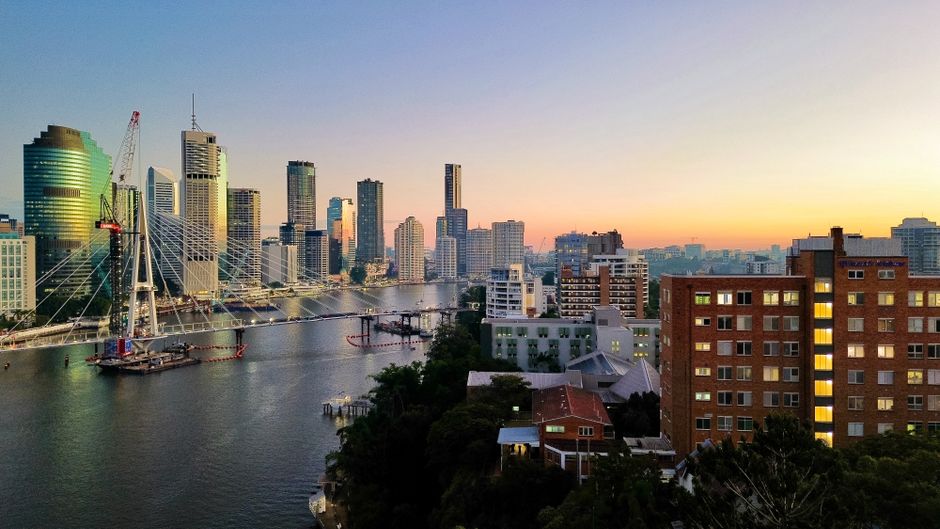
Average rents have soared across Brisbane, with weekly prices in inner-city pockets like West End and Woolloongabba now exceeding $700 for a two-bedroom apartment. This steep climb, last seen in the heady days of post-pandemic migration, is reshaping the relationship between renters and landlords in the city’s most in-demand suburbs.
As the city heads into the second half of 2026, the rental crunch is reverberating from Hamilton’s riverside towers to the townhouse complexes of Calamvale. High levels of interstate migration, particularly from New South Wales and Victoria, paired with record-low vacancy rates, mean locals and newcomers alike are scrambling to secure homes. The coming influx of infrastructure projects for the 2032 Olympics is fuelling investor confidence, even as renters feel the pinch.
On Lytton Road, near the historic riverside Shafston House, property managers at Ray White East Brisbane are logging more than 30 applications per property within days of listings going live. Nearby Kangaroo Point’s iconic Story Bridge Hotel has seen regulars priced out of neighbouring rentals, while share houses on Vulture Street are filling up with young professionals willing to pay upwards of $300 just for a room. According to Place Estate Agents, vacancy rates in postcode 4101, which covers South Brisbane and Highgate Hill, dipped below 1% in May—half the citywide average.
Landlords are seizing the opportunity to raise rents or switch to short-stay platforms like Airbnb, hoping to maximise returns. But agencies such as MetroCity Realty in West End say some are wary after minor regulatory tightening under the Queensland Government’s recent Stage 2 rental reforms. These measures cap rent increases and encourage longer leases, but enforcement remains patchy and tenant groups like Tenants Queensland argue more action is needed.
The latest SQM Research figures show Brisbane’s median weekly rent for all dwellings hitting $620 in June, compared with $490 just two years earlier. In Ascot, Domain data shows a typical three-bedroom house now costs $850 a week, while even older units on Main Avenue in Windsor are fetching $550—up 15% year-on-year. In the northern growth corridor of Chermside, one local housing advocacy group, Brisbane Renters United, is tracking queues of more than 100 people at open inspections, with single mums and students reporting a spike in rental rejections.
Meanwhile, many landlords face increased costs themselves, from rising insurance premiums to upgraded smoke alarms required under new QFES rules from January. Several told The Daily Brisbane off record they will quit the long-term market if returns continue to shrink against outgoings, placing further pressure on already tight supply.
Looking ahead, experts including the Real Estate Institute of Queensland predict conditions are unlikely to ease before mid-2027, given the pace of migration and slow new housing supply. For tenants determined to stay put, advocates urge direct negotiation with landlords, careful documentation of tenancy conditions, and early application for support schemes such as the Queensland Government’s Rental Security Subsidy. For landlords, engaging qualified property managers and staying on top of regulatory shifts will be key to navigating a market that shows no sign of cooling.
Advertise
Reach thousands of Brisbane readers daily. Contact us at hello@dailybrisbane.com.au to advertise.
Get in touch →Daily Network
About this article
Published by The Daily Brisbane
Daily brief
Free, in your inbox before 7am. Weekdays.
More from The Daily Brisbane