Geebung's Quiet Revolution: The Northside Suburb Sitting on a Rezoning Goldmine
While investors chase Newstead penthouses and South Brisbane apartments, a modest pocket of Brisbane's north is quietly being redrawn on the city's planning maps.
While investors chase Newstead penthouses and South Brisbane apartments, a modest pocket of Brisbane's north is quietly being redrawn on the city's planning maps.
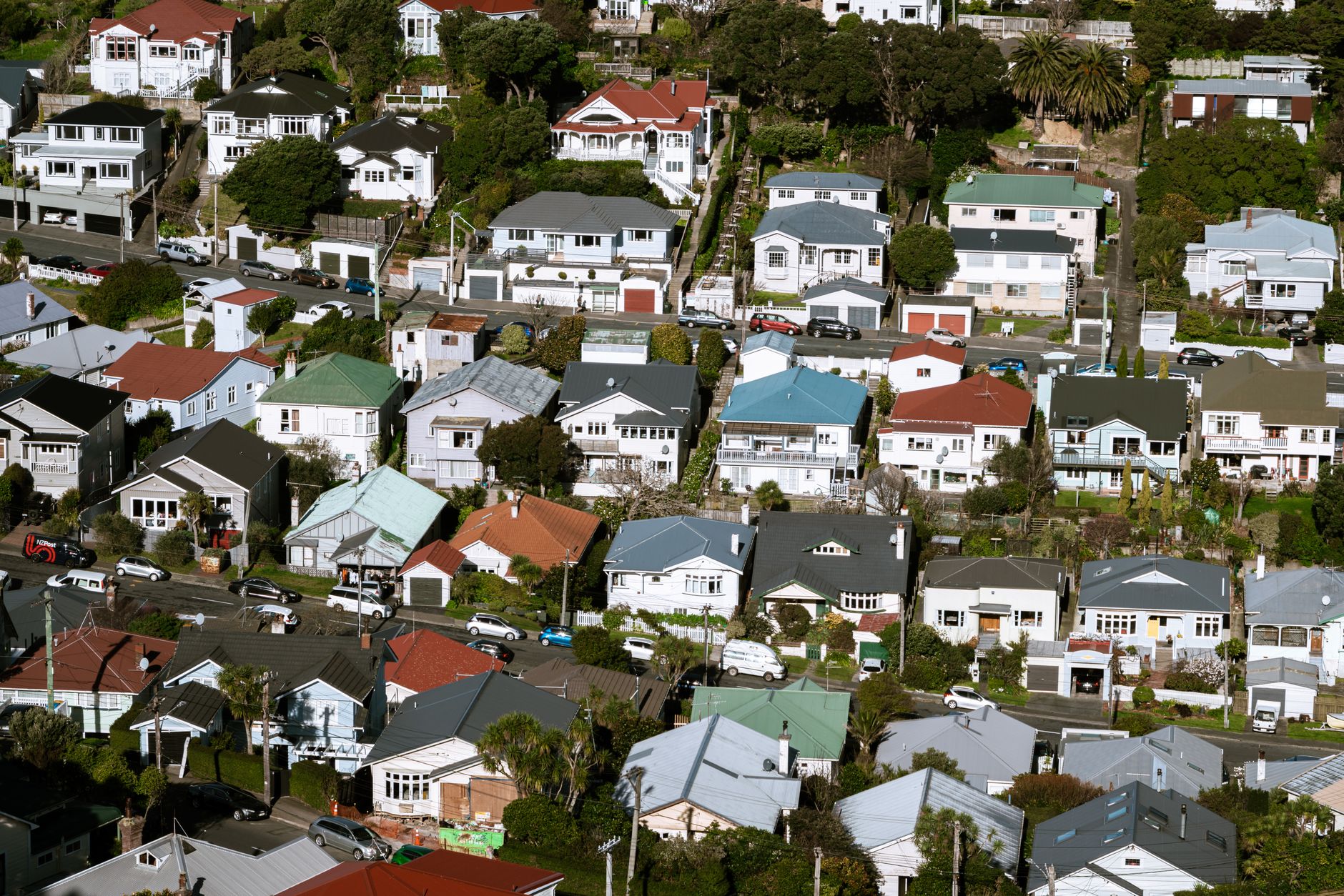
Brisbane City Council's draft Neighbourhood Plan for the Geebung-Zillmere corridor, lodged with the State Government for review in May 2026, proposes rezoning roughly 140 hectares of low-density residential land to allow mixed-use and medium-density development. For buyers who missed Nundah's run five years ago, the window in Geebung may already be closing.
The timing matters because of what's bearing down on Brisbane from multiple directions at once. The 2032 Olympic infrastructure program has fast-tracked upgrades to the Northside's Gympie Road corridor, and the Cross River Rail's Bowen Hills connection — now confirmed operational from late 2027 — puts Geebung within four stations of the CBD. Add statewide migration pressure, with the Queensland Government's own figures showing net interstate arrivals topping 35,000 people in the 12 months to March 2026, and the arithmetic for undersupplied middle-ring suburbs becomes difficult to ignore.
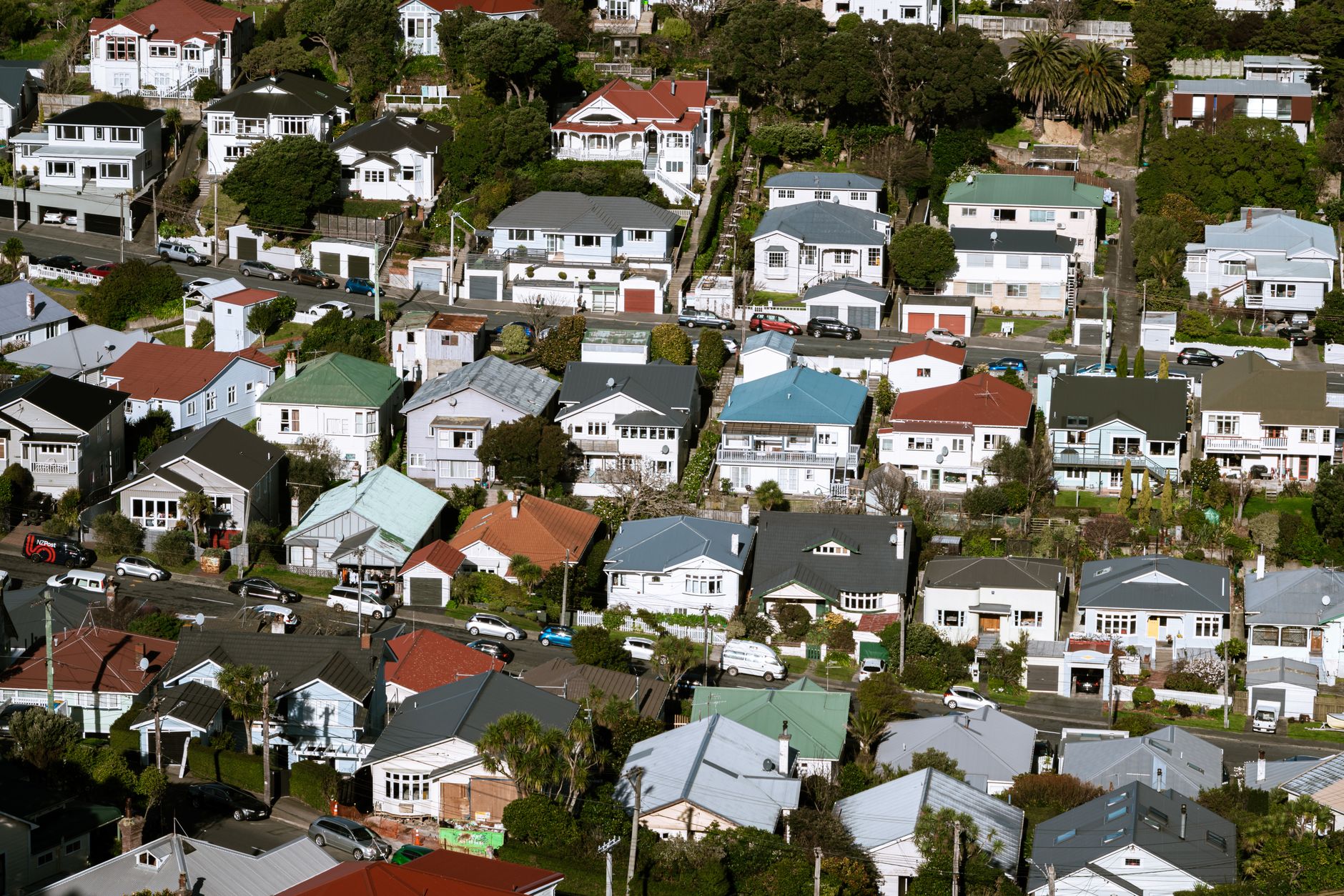
Geebung sits roughly 12 kilometres north of the CBD, sandwiched between Zillmere and Chermside. It has none of Chermside's retail glamour — there's no Westfield, no restaurant strip with a waiting list — and that has kept prices low. The current Queensland median sits at approximately $780,000, but Geebung house prices were still transacting below $700,000 on average through the June 2026 quarter, according to CoreLogic data, a discount that professional buyers' agents have been flagging to clients since early this year.
The draft plan, available through the Brisbane City Council's PD Online portal, proposes that a key precinct centred on Colmslie Street and the land running east toward the Earnshaw Road industrial buffer be reclassified from Low-Density Residential to Urban Neighbourhood. That single reclassification unlocks three-storey apartment buildings and ground-floor commercial uses on lots that currently hold single Queenslander cottages on 600-square-metre blocks. Property lawyers working on submissions to the plan have noted the change would be among the most significant in the suburb since the 1990s Caboolture rail duplication brought fresh commuter interest to the outer north.
The Geebung train station itself — on the Caboolture/Sunshine Coast line — processed an average of 1,240 boardings per weekday in the 12 months to April 2026, a 17 per cent increase on pre-COVID figures, according to TransLink's published patronage data. That's a number that catches a developer's eye. The Urban Land Development Authority's successor body, Economic Development Queensland, has already fielded preliminary applications from at least two medium-scale developers for sites on Gympie Road between the station and the Rode Road intersection.
The public consultation period for the Geebung-Zillmere Neighbourhood Plan closed on June 27, 2026, which means council is now in the deliberation phase. Industry observers expect a formal resolution before Christmas, with any rezoning instruments taking legal effect by mid-2027. That's a narrow runway for buyers hoping to secure land before developers move in force.
Buyers' agents operating in the northern suburbs are pointing clients toward post-war houses on larger lots — anything above 650 square metres — within 800 metres of Geebung station. Streets including Gympie Road itself, Orvieto Street and sections of Cossack Street sit inside the proposed rezoning boundary. Corner lots, particularly those with dual-street access, are drawing the most early interest because of their development optionality under the draft medium-density code.
For owner-occupiers, the calculus is different. Geebung's schools catchment connects to Aspley State High School, which carries solid OP and ATAR rankings, and the suburb's proximity to the Prince Charles Hospital health precinct provides employment-base stability rarely discussed in investment conversations about the area.
One practical caution: Brisbane's development approval pipeline is long, and rezoning does not automatically generate overnight price spikes. The lesson from Nundah and, more recently, from Lutwyche's slow burn along Gympie Road, is that the sharpest gains come to buyers who move 18 months before the approval is finalised — not after the press release lands. That window, by most readings of the current planning calendar, is about now.
Advertise
Reach thousands of Brisbane readers daily. Contact us at hello@dailybrisbane.com.au to advertise.
Get in touch →Daily Network
About this article
Published by The Daily Brisbane
Daily brief
Free, in your inbox before 7am. Weekdays.
More from The Daily Brisbane