Rent or buy? Why Brisbane's affordability gap is forcing renters into a corner
As Queensland's median house price climbs toward $800k, Brisbane renters are facing an uncomfortable truth: staying in the market may cost more than saving for a deposit.
As Queensland's median house price climbs toward $800k, Brisbane renters are facing an uncomfortable truth: staying in the market may cost more than saving for a deposit.
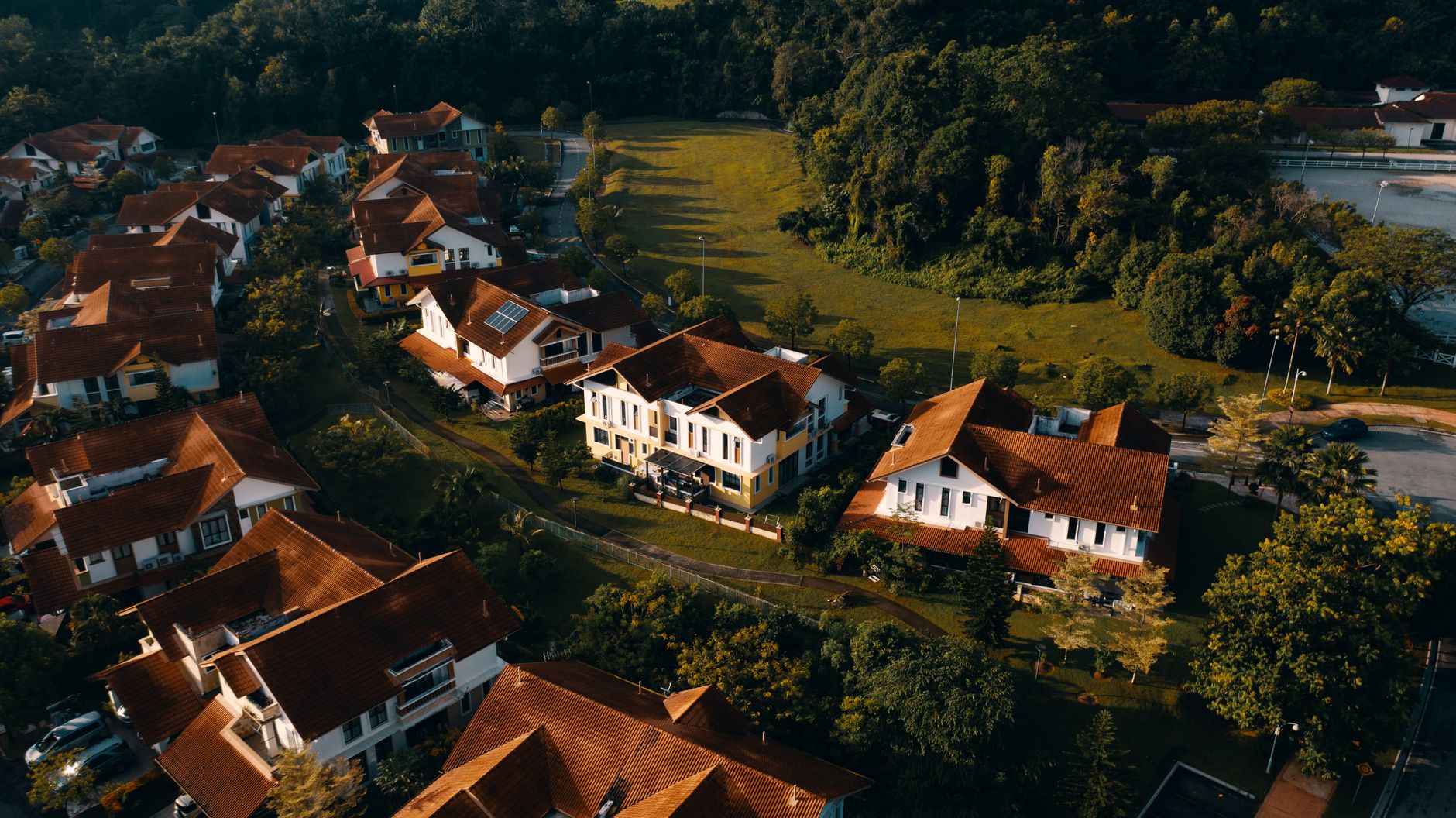
For years, property advisors have sung the same tune to struggling renters: stay disciplined, save hard, and one day you'll own. But in Brisbane's rapidly heating market, that narrative is cracking under pressure.
Consider the numbers. A modest two-bedroom house in established inner-north suburbs like Ascot or Woolloongabba now commands $650,000 to $750,000. Meanwhile, rental yields in these same pockets hover around 3.5 per cent, meaning landlords are banking on capital growth, not income. For tenants, weekly rent of $350 to $450 translates to roughly $18,000 to $23,400 annually—money that vanishes when the lease ends.
A first-home buyer targeting that same property faces a daunting equation. With a 10 per cent deposit of $65,000 to $75,000 and mortgage repayments around $3,200 to $3,600 monthly (based on current interest rates), ownership costs initially dwarf rent. But here's the catch: renters in Brisbane's outer-growth corridors—Carseldine, Kallangur, and Logan—are increasingly priced out entirely, with weekly rates climbing toward $400 even for ageing stock.
The post-Olympics infrastructure boom has turbocharged this squeeze. New transport links and regenerated precincts have made Southside suburbs like Woolloongabba and West End increasingly sought-after, pushing prices beyond first-home buyer reach. Meanwhile, Northside pockets like Fortitude Valley and New Farm offer minimal respite, with median values exceeding $850,000.
What's shifted dramatically is the timeline. Ten years ago, a diligent renter could accumulate a deposit within five to seven years. Today, Queensland's 6.5 per cent median annual price growth means that goalpost moves faster than savings can follow. A would-be buyer saving $15,000 annually while rent consumes $20,000 faces a mathematical impossibility.
The real estate industry argues this is temporary friction in a dynamic market. They point to Brisbane's interstate migration pull—particularly NSW and Victorian families fleeing tighter markets—as evidence of relative value. Yet for the average Brisbane renter earning $70,000 annually, relative value feels academic.
Some relief may arrive through government schemes and off-peak purchase windows, but the uncomfortable truth is becoming clear: staying renting in Brisbane's premium inner suburbs may now represent better financial outcomes than chasing ownership on a median income. For a generation of Queenslanders, that's a sobering realisation.
This article was compiled by AI and screened before publishing. See our editorial standards.
Sponsored
Lorem ipsum dolor sit amet, consectetur adipiscing elit. Reach engaged Brisbane readers with sponsored placements that look and feel like the rest of the paper.
Become a partner →Daily Network
About this article
Published by The Daily Brisbane
Daily brief
Free, in your inbox before 7am. Weekdays.
More from The Daily Brisbane


