Brisbane Property Guide: Buying, Renting, and Investing in Queensland's Booming Capital
Brisbane's property market has been Australia's strongest performer. Here is your complete guide to buying, renting, and investing in the river city.
Brisbane's property market has been Australia's strongest performer. Here is your complete guide to buying, renting, and investing in the river city.
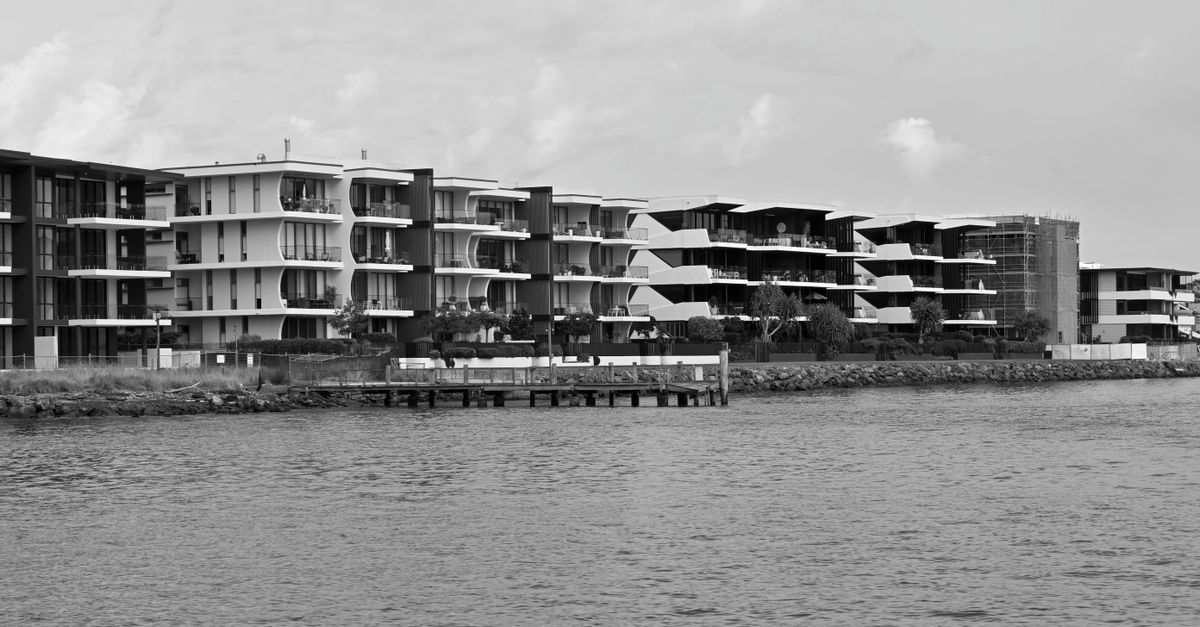
Brisbane's property market has been Australia's strongest performer of the past five years, driven by extraordinary interstate migration (the post-pandemic internal population movement from Sydney and Melbourne to Queensland, driven by lifestyle, affordability, and climate, has been the largest sustained interstate migration in Australian history), the pre-2032 Olympics infrastructure investment (Cross River Rail, the Kangaroo Point Green Bridge, the new Gabba stadium), and the structural affordability advantage that Brisbane retains over Sydney and Melbourne despite significant price growth. Brisbane's median house price (approximately $850,000-$900,000 in 2025) has grown by more than 60% from its 2020 level, representing one of the most dramatic property market movements in Australian history, and the trajectory is expected to continue as the Olympics approaches.
Brisbane Property Prices by Area — Brisbane's most expensive suburbs are concentrated along the Brisbane River (New Farm, Teneriffe, Bulimba, Hawthorne, Chelmer, Fig Tree Pocket) and in the prestige leafy inner-west and inner-east (Ascot, Hamilton, Paddington, Bardon, St Lucia), where median house prices regularly exceed $2-3 million. The most affordable Brisbane metropolitan areas are in the outer south (Logan, Springwood, Marsden), the outer north (North Lakes, Narangba, Morayfield), and the south-west (Ipswich and Springfield), where median house prices remain in the $550,000-$750,000 range despite the broader market's significant appreciation.
Renting in Brisbane — Brisbane's rental market has experienced extraordinary tightening since 2021, with vacancy rates falling below 1% across most of the metropolitan area and rents rising at the fastest pace of any Australian capital city. The median weekly rent for a 2-bedroom apartment in Brisbane's inner suburbs now exceeds $650; in the middle ring the median is $520-600; in the outer suburbs the median is $430-500. The Queensland government's rental reforms (including limits on rent increase frequency) have provided some relief to renters but have not resolved the underlying supply shortage.
Pre-Olympics Investment Opportunity — Brisbane's 2032 Olympics is expected to be the most significant property market catalyst in the city's history, with infrastructure investment, population growth, and international attention all contributing to sustained price appreciation in the lead-up to the Games. Investors are particularly focused on suburbs near planned infrastructure (Cross River Rail stations, the new Queens Wharf CBD development) and the inner-city suburb ring that will be most directly affected by Olympic visitor accommodation demand.
This article was compiled by AI and screened before publishing. See our editorial standards.
Sponsored
Lorem ipsum dolor sit amet, consectetur adipiscing elit. Reach engaged Brisbane readers with sponsored placements that look and feel like the rest of the paper.
Become a partner →Daily Network
About this article
Published by The Daily Brisbane
Daily brief
Free, in your inbox before 7am. Weekdays.
More from The Daily Brisbane