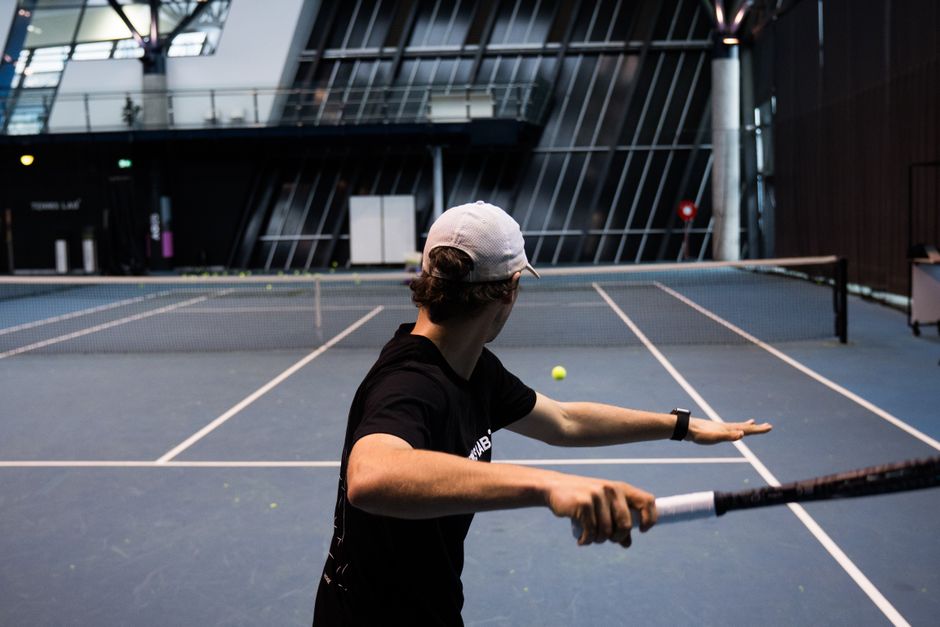
Brisbane's grassroots sports landscape is experiencing a quiet revolution. Fresh participation data from Brisbane City Council and major sporting organisations reveal that youth enrolment across local clubs has surged by 23 per cent over the past three years—a trend that points to a measurable cultural shift toward active, community-based fitness in the region.
The numbers tell a compelling story. Council-run facilities across inner-city hubs like South Bank, Fortitude Valley, and West End have reported sustained growth, with soccer, netball, and touch rugby leading the charge. Suburban clubs in areas such as Paddington, Mount Gravatt, and Wynnum have similarly benefited, with many reporting waiting lists for junior programs that would have seemed unthinkable five years ago.
"What we're seeing is families actively seeking out local, affordable alternatives to home-based screen time," explains the landscape of youth engagement in Brisbane's neighbourhoods. Clubs affiliated with the Queensland Amateur Sports Council report participation fees typically ranging from $150 to $400 per season—modest enough to enable broader demographic uptake while remaining sustainable for volunteer-run operations.
The data becomes more nuanced when broken down by sport and age group. Primary school-aged children (7-12) dominate participation figures, with 67 per cent of enrolments falling into this bracket. However, secondary school participation has climbed notably, suggesting that clubs are successfully retaining young athletes through their teenage years—a historically challenging demographic transition.
Geographically, the growth isn't uniform. Inner-city councils have seen marginal increases, while outer suburbs including Redland Bay, Ipswich Road corridors, and northern growth areas have experienced double-digit jumps. This pattern reflects broader demographic shifts and improved facility investment in expanding neighbourhoods.
Sport and recreation experts attribute the surge to several factors: increased parental awareness of childhood obesity and mental health benefits associated with team sport; improved digital accessibility of club information; and the normalisation of after-school structured activity as essential rather than supplementary.
Perhaps most telling is volunteer coach recruitment data. Local sporting associations report growing waiting lists for coaching qualification courses through Brisbane City Council's education programs, indicating genuine commitment from community members willing to invest time in grassroots development.
As Brisbane positions itself for continued growth, these participation trends offer reassurance that the city's fitness culture isn't being outsourced to commercial gyms or elite academies. Instead, it's being built—methodically and sustainably—through the modest, volunteer-powered machinery of local sports clubs across every suburb.
This article was compiled by AI from the sources linked above and screened before publishing. See our editorial standards.