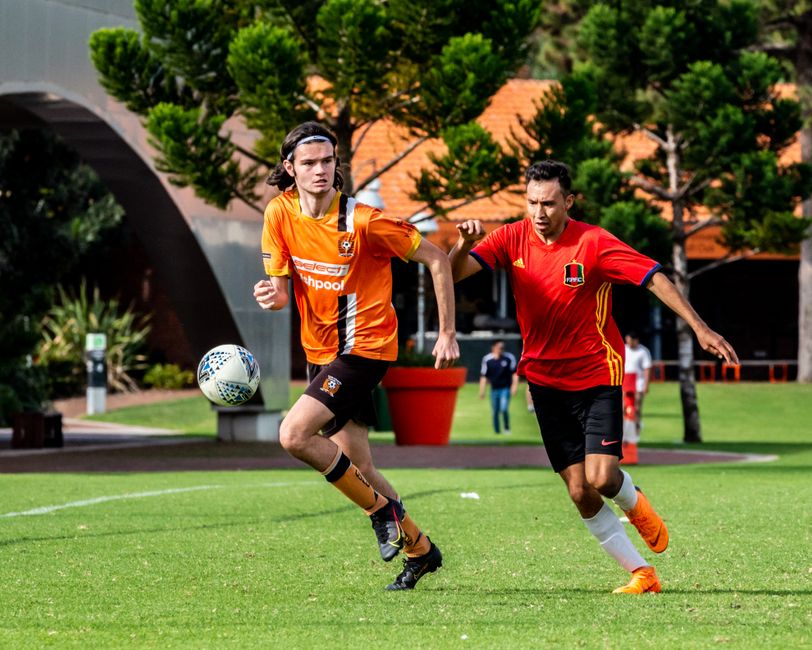
Walk past any oval in Brisbane on a Saturday morning and you'll see the city's fitness culture in action. But beneath the visible hustle of weekend warriors lies a more revealing story — one told through participation data that exposes fundamental shifts in how Brisbaneites approach recreational sport.
Recent participation surveys across Brisbane's amateur leagues paint a picture of a city increasingly fragmented in its sporting interests. Traditional sports like cricket and Australian rules football, long the backbone of suburban club culture, are holding steady at best. Brisbane Cricket Network clubs across the region report consistent membership, yet new player recruitment has plateaued compared to five years ago. Meanwhile, mixed-gender and women-specific competitions are experiencing double-digit growth year-on-year.
The real boom, however, is in non-traditional settings. Futsal facilities in South Bank and West End report participation increases of 35 per cent since 2023, catering to a younger demographic aged 18–35 seeking flexible, short-format commitment. Similarly, running clubs operating from the Teneriffe precinct have mushroomed, with five new groups launching in the past 18 months alone. These aren't grand establishments; they're WhatsApp-coordinated gatherings that have formalised into structured amateur leagues.
Data from Bulimba's rowing and kayaking clubs tells another story. Participation among professionals aged 25–45 has surged, with morning sessions now overbooked. Club membership fees ranging from $400–$800 annually suggest Brisbane's growing middle class is willing to invest in niche pursuits. Yet participation drops sharply among school-leavers, indicating a demographic gap that traditional club structures haven't addressed.
What's particularly telling is the volatility of team-based sports. Brisbane's casual netball and touch football leagues show participation swinging wildly month-to-month, influenced heavily by seasonal factors and workplace competition cycles. This suggests amateur sport here has become increasingly transactional — people engage intensely but briefly, rather than committing to year-round club involvement.
The data also reveals a fitness culture increasingly divorced from traditional grounds. Membership inquiries at established clubs in suburbs like Toowong and Milton remain stable, but they're no longer the primary entry point for newcomers. Instead, Instagram-driven fitness communities, CrossFit boxes, and cycling groups are becoming the proving grounds for recreational athletes.
For Brisbane's amateur sport ecosystem, the message is clear: participation is robust, but it's fragmenting. Growth exists in flexibility, accessibility, and demographic inclusivity. Clubs that recognise this — adapting schedules, diversifying offerings, and embracing digital-first community building — are thriving. Those clinging to traditional models face headwinds.
This article was compiled by AI from the sources linked above and screened before publishing. See our editorial standards.