Brisbane's Endurance Edge: How World-Class Facilities Are Turning the City Into an Athletic Powerhouse
From the South Bank riverfront to purpose-built cycling precincts, Brisbane's infrastructure investment is fuelling a boom in running, cycling and triathlon participation.
Brisbane's endurance sport boom isn't accidental. Over the past five years, strategic infrastructure development has transformed the city into a genuine hub for runners, cyclists and triathletes—and the participation numbers reflect it.
The South Bank Parklands remains the jewel in Brisbane's endurance crown. The 16-kilometre loop around the precinct and along the Brisbane River has become the de facto training ground for thousands of local athletes. On any given morning, the pathway thrums with activity: joggers, walkers and cyclists moving in disciplined waves. The recent expansion of lighting along the Eagle Street Reach section has extended usable training hours, crucial for early morning and evening sessions during Queensland's intense summers.
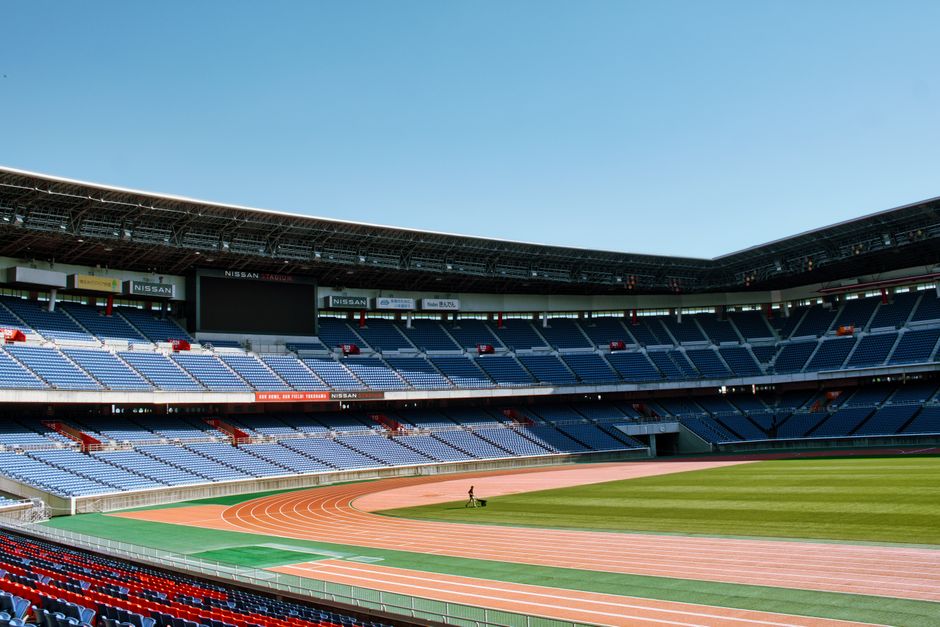
But infrastructure extends far beyond pathways. The Queensland Sport and Athletics Centre at Chandler, south of the CBD, has undergone significant upgrades, now hosting official triathlon events and competitive running meets. Membership fees sit around $15–20 weekly, making serious training accessible to committed amateurs. The facility's 400-metre track and modern timing systems have become invaluable for athletes targeting qualifying standards.
Cycling infrastructure has matured dramatically. The Brisbane Valley Cycle Trail network now spans over 1,200 kilometres across South East Queensland, with the inner-city Bicentennial Bikeway providing safe commuting and training corridors through Fortitude Valley, New Farm and into the inner suburbs. Purpose-built velodrome facilities at Sleeman Sports Complex in Dutton Park support track cycling development, though local advocates continue pushing for expanded road cycling infrastructure in growth corridors.
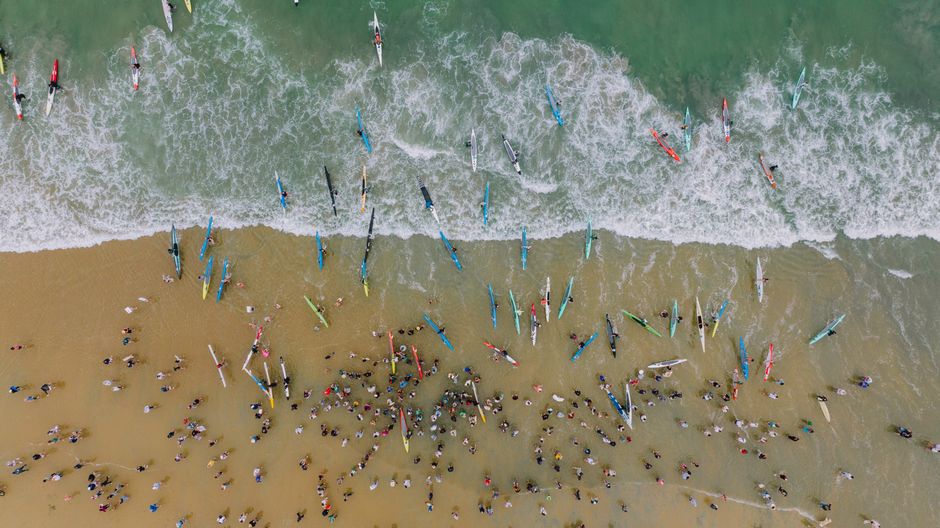
Triathlon-specific support has accelerated with the development of beach-transition precincts at South Bank and the recent investment in water quality monitoring at key open-water swim zones across Moreton Bay. Local triathlon clubs report membership increases of 18 per cent year-on-year, directly correlating with improved lake and beach accessibility.
The less visible but equally critical infrastructure includes sports medicine clinics and physiotherapy services concentrated around the Spring Hill and Southbank precincts. Demand remains intense, with most practitioners maintaining waiting lists of six to eight weeks.
What's emerging is an ecosystem. Training facilities feed participation; participation demands better infrastructure; investment follows. Brisbane's endurance athletes now operate within increasingly professional infrastructure—one that rivals Melbourne and Sydney in quality, if not yet scale. As the city hosts more regional and state championships, that infrastructure advantage will only intensify competition at the grassroots level.
This article was compiled by AI from the sources linked above and screened before publishing. See our editorial standards.
Daily Network
From the Daily Network
Related reporting from other cities in our network.