Brisbane's Soccer Boom Reveals a City Obsessed with Grassroots Fitness
Participation numbers across local football clubs tell a story of how the sport has become central to how Queenslanders stay active.
Participation numbers across local football clubs tell a story of how the sport has become central to how Queenslanders stay active.
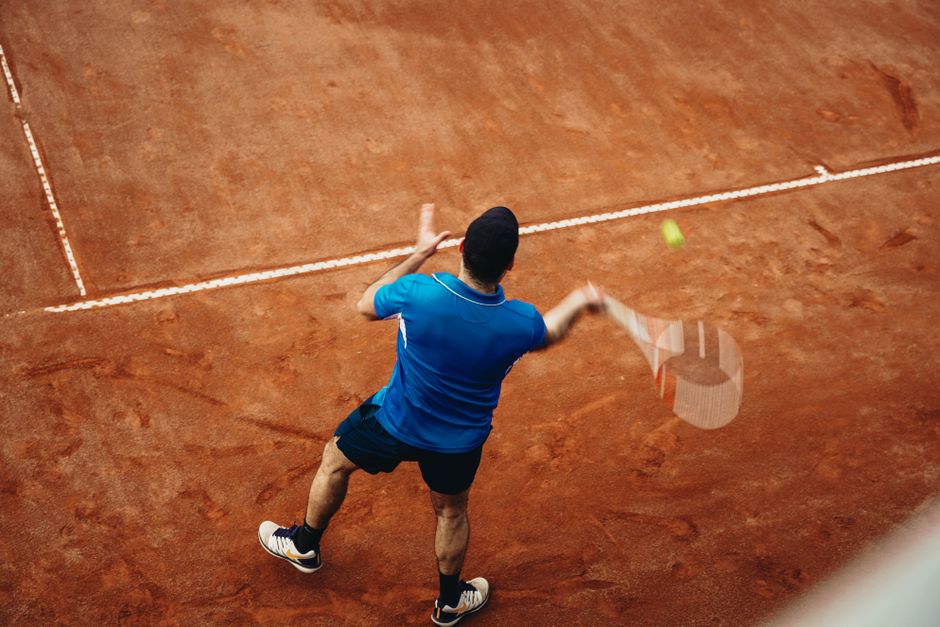
Walk past Kalimna Park on any Saturday morning and you'll witness the clearest evidence of Brisbane's fitness priorities: dozens of soccer fields alive with players of all ages, from five-year-olds in their first season to veterans well into their sixties. The scene repeats itself across suburbs from Toowong to Wynnum, from Indooroopilly to Sunnybank, reflecting a participation shift that local sports administrators say has fundamentally reshaped how Brisbane thinks about staying active.
Recent participation data from Football Queensland reveals that registered players across senior and junior competitions have grown 23 percent over the past four years, with membership now exceeding 185,000 across the state. In greater Brisbane alone, that translates to roughly 78,000 active participants—a figure that positions soccer as the city's second-largest team sport by participation, trailing only rugby league.
The growth cuts across demographics in ways that fascinate fitness researchers. Women's participation has surged particularly sharply, with female-only teams at venues like the Yeronga Soccer Club nearly doubling since 2022. Weekend social leagues—where fitness matters more than rankings—have become the fastest-growing segment, with venues along the Springfield Corridor and around Chermside reporting waiting lists for competition entry.
"What we're seeing isn't just more players," explains Marcus Chen, development officer at Brisbane District Football Association. "It's that soccer has become how ordinary Queenslanders exercise. It's social, it's accessible, and unlike gym memberships that get abandoned by February, weekly matches create genuine commitment."
The economics tell part of this story. A season's registration for junior players runs between $280 and $420, while senior social competition typically costs $55 to $85 per player. That's substantially cheaper than personal training or gym memberships averaging $50-70 weekly. Venues like Colmslie Reserve and Crosby Park have become community anchors, with club facilities now extending beyond pitch maintenance to include coffee carts, family zones, and coordinated child care—turning sport into genuine lifestyle infrastructure.
Brisbane's climate helps too. The extended warm season means fewer cancellations than southern cities, allowing consistent training routines that support genuine fitness gains. Anecdotal evidence from club administrators suggests many participants cite weight management and cardiovascular improvement as primary motivations—not podium finishes.
As Brisbane positions itself for the 2032 Olympics, these participation numbers suggest the city's fitness culture is already centered on accessible, community-based activity. Soccer isn't merely a sport here; it's become the city's democratic approach to staying fit.
This article was compiled by AI from the sources linked above and screened before publishing. See our editorial standards.
Daily Network
About this article
Published by The Daily Brisbane
Daily brief
Free, in your inbox before 7am. Weekdays.
More from The Daily Brisbane