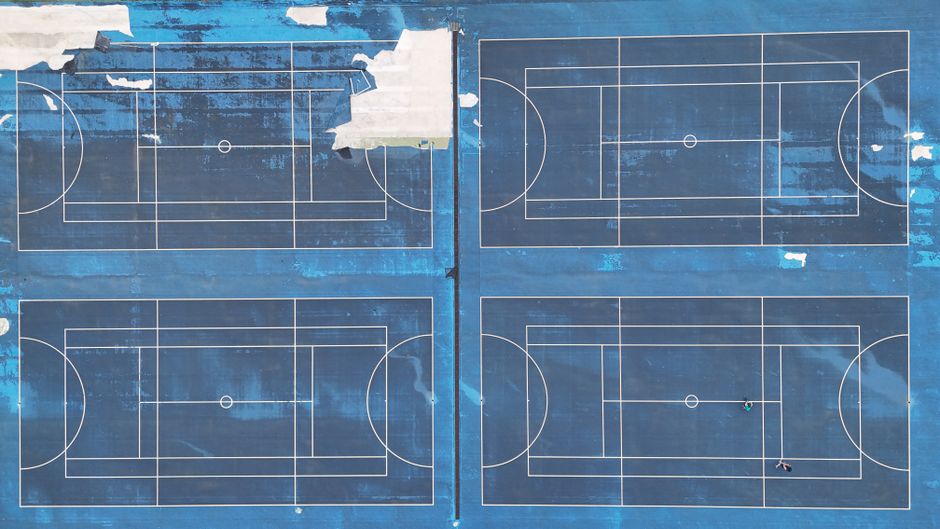
On a Saturday morning in Yeronga, the smell of fresh-cut grass drifts across the oval as dozens of children in mismatched kits chase a football under the Queensland sun. This scene—replicated across Brisbane's inner suburbs and beyond—represents the unsung foundation of the city's sporting culture: grassroots development through community clubs.
The numbers tell a compelling story. Brisbane's 127 registered community sports clubs collectively serve over 45,000 young participants annually, according to recent data from Sport and Recreation Queensland. Yet these organisations operate on threadbare budgets, with many clubs relying entirely on volunteer labour and modest membership fees ranging from $150 to $350 per season.
"The volunteers are the lifeblood," says Brad Henderson, who coordinates junior development across three facilities in the inner west. "We have parents coaching, parents managing finances, parents maintaining grounds—all unpaid. Without that commitment, these clubs simply wouldn't exist."
Take the network of clubs operating from Toohey Park in Mount Gravatt, or the storied fixture at Kalimna Park in Indooroopilly. These venues have produced countless athletes who've progressed to state representative honours. Yet the pathway remains precarious. Many clubs struggle with facility access, insurance costs running to $4,000 annually, and the challenge of retaining young players as specialisation pressures increase.
The Brisbane Sports Commission has recognised this critical role, recently allocating $2.3 million in grassroots development grants. However, advocates argue the funding barely scratches the surface of actual community need.
What distinguishes Brisbane's grassroots movement is its diversity. Football, netball, cricket, touch rugby, and athletics all thrive through neighbourhood clubs where children first experience structured sport. These organisations serve as social anchors too, particularly in rapidly developing suburbs where community infrastructure lags residential growth.
Marcus Chen, who manages youth participation strategies, observes that successful clubs balance competitive opportunity with genuine inclusion. "The best clubs aren't just about winning—they're about keeping kids active, building confidence, and creating pathways for those with genuine talent."
As Brisbane continues its trajectory as a major sporting city—hosting major events and nurturing elite talent—the grassroots movement remains both invisible and indispensable. The kids playing on Saturday mornings at Yeronga might not become household names. But without their community clubs providing structure, mentorship, and opportunity, Brisbane's sporting future would be fundamentally diminished.
This article was compiled by AI from the sources linked above and screened before publishing. See our editorial standards.