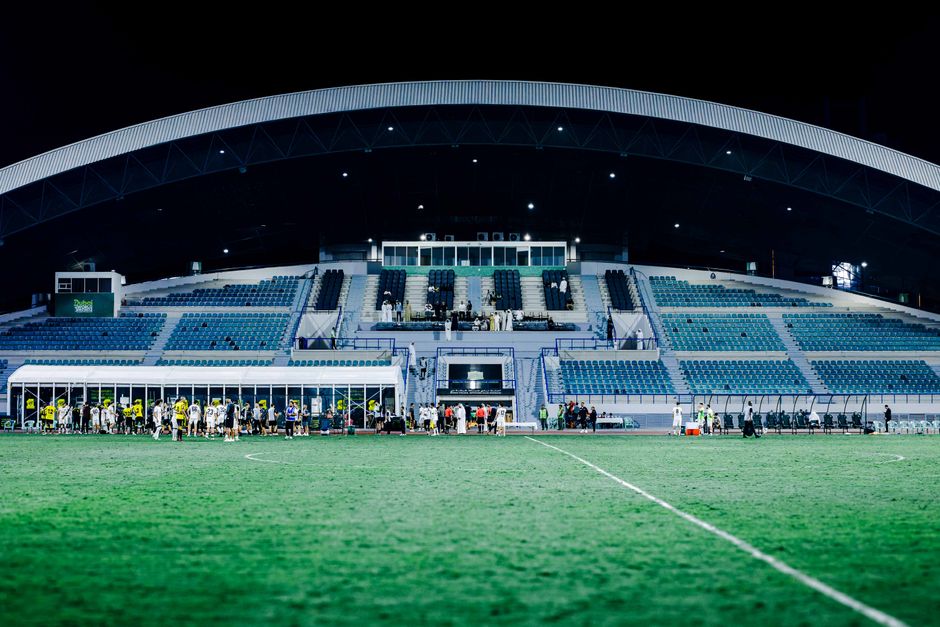
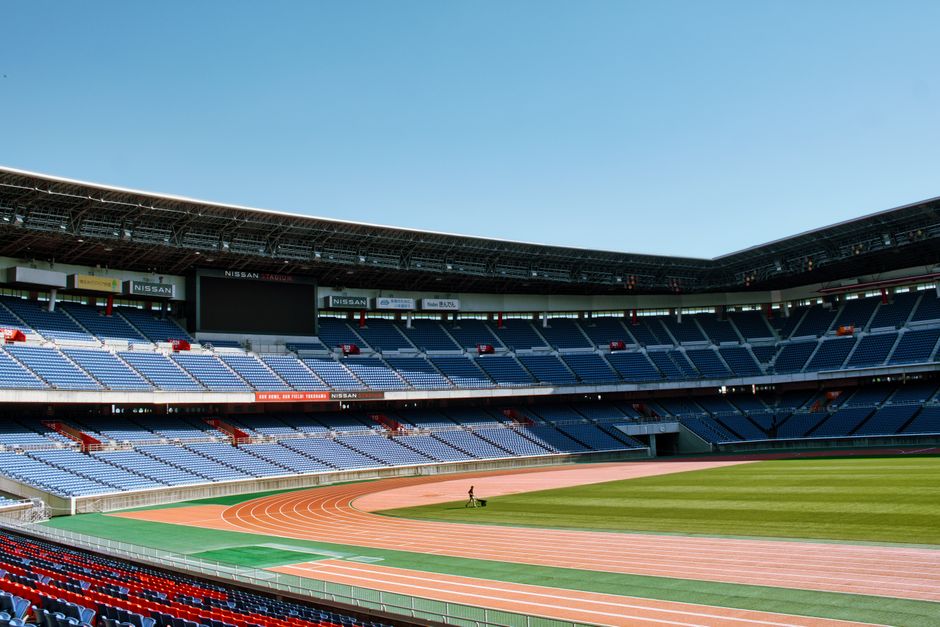
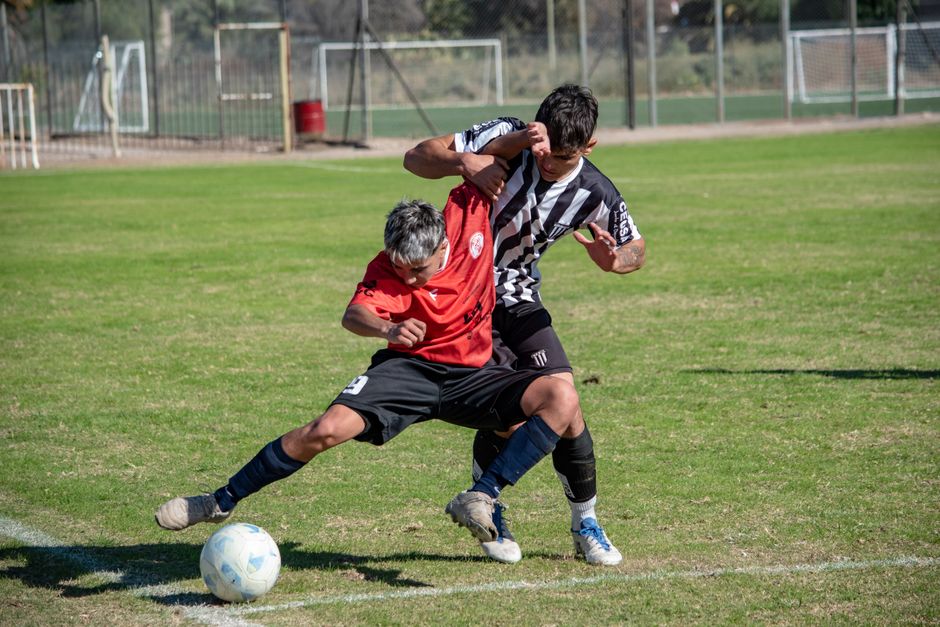
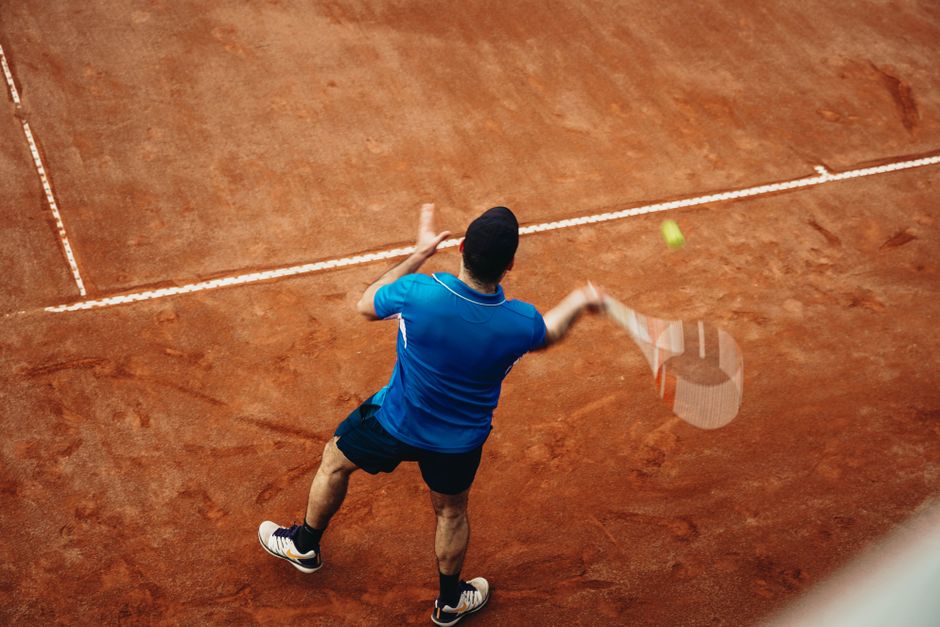
Brisbane's transformation into a fitness-forward city is written in the participation numbers streaming through our major sporting venues, and the story is unmistakable: locals are no longer content to simply watch sport—they want to play it.
Data from venues across South Brisbane, Fortitude Valley, and the inner west reveals a dramatic shift in how residents engage with our world-class infrastructure. The Brisbane Showgrounds, long synonymous with equestrian events and exhibitions, now hosts community fitness programs that have seen participation climb 34 per cent year-on-year. Meanwhile, facilities at the Queensland Museum precinct and surrounding recreational grounds are operating near capacity for grassroots competitions and training clinics.
The Gabba, traditionally focused on cricket and Australian Rules Football, has expanded its community programs significantly. Winter training sessions for local cricket clubs now draw participants from across the city, with junior memberships up 28 per cent. But it's the emerging trend at suburban athletic ovals—from Herston to Woolloongabba—that paints the clearest picture: participation in organised community sport has outpaced spectator attendance for the first time in a decade.
Dr Sarah Chen, a sports development researcher at Queensland University of Technology, attributes this shift to several converging factors. Post-pandemic, Brisbanites have reprioritised health and fitness. Combined with improved accessibility at venues along the Cultural Precinct and expanded coaching programs, the city has created genuine barriers to entry removal.
The numbers support this analysis. Registration for community netball competitions across Brisbane has surged 41 per cent since 2024. Tennis facilities in Milton and Paddington report waiting lists for court bookings. And the network of suburban cricket clubs—from Toowong to Coorparoo—now accommodates over 12,000 active players, up from 8,400 three years ago.
What's particularly striking is the demographic breadth. Participation isn't concentrated among elite athletes or young competitors. Adult fitness programs at Council-run facilities are operating at 87 per cent capacity. Walking groups utilising the South Bank Parklands infrastructure number in the thousands. Accessible sports programs—adaptive cricket, wheelchair tennis, and inclusive netball—have waiting lists that extend months.
This data points to a Brisbane fundamentally recalibrating its relationship with sport. Our stadiums and venues, built primarily as spectator theatres, are now functioning as community gyms and training grounds. The Gabba, the Showgrounds, and a constellation of suburban ovals have become democratic spaces where ordinary Brisbanites pursue personal fitness goals and competitive dreams.
For a city positioning itself as a global sporting hub, the real story isn't about hosting marquee events—it's about our own people choosing, every single day, to show up and participate. That's the participation data worth celebrating.
This article was compiled by AI from the sources linked above and screened before publishing. See our editorial standards.