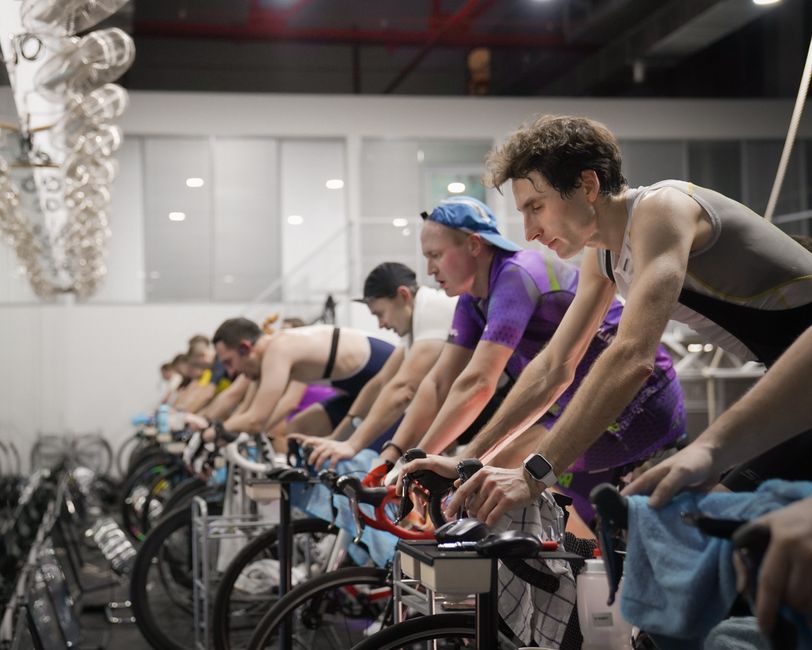
Brisbane's endurance sports boom isn't accidental. Behind the growing wave of local triathletes, distance runners and competitive cyclists lies a sophisticated infrastructure network that rivals Australia's most established sporting hubs.
The South Bank Parklands has emerged as ground zero for this movement. The 16-hectare precinct offers dedicated cycling paths, a 2.2-kilometre running loop that hugs the Brisbane River, and direct access to the Goodwill Bridge—a critical link for cyclists commuting between south bank and the northern suburbs. On weekends, the park's pathways pulse with activity, hosting everything from organised running groups to spontaneous triathlon training sessions.
But the real game-changer came with the completion of the expanded Eagle Street Rowing Basin facilities in East Brisbane. What began as a rowing venue has evolved into a multi-sport training ground. The basin's 2.4-kilometre perimeter provides a controlled environment for open-water swim practice, essential preparation for triathlon competitors. Annual memberships at affiliated clubs run between $800 and $1,500, making serious training accessible without requiring expensive facility tourism.
The Brisbane Valley region, stretching from Chelmer to Auchenflower, has become the unofficial heartland for long-distance cycling. Rolling hills and relatively low traffic make it ideal for endurance training, while local cycling clubs have invested in marked training routes and waypoint infrastructure. The Toowong to Indooroopilly riverside corridor attracts hundreds of riders weekly.
For runners, Brisbane's network of parks—including the 4.8-kilometre track at the University of Queensland and the manicured pathways through New Farm Park—provides variety that keeps training fresh. The city's relatively flat terrain compared to southern capitals has made it a preferred base for marathon preparation.
What distinguishes Brisbane's approach is integration. The City Council's Active Brisbane initiative has mapped over 140 kilometres of connected cycling routes, while investing in lighting upgrades along popular evening training corridors. The Queensland Sports and Athletics Centre at Lota offers subsidised gym memberships ($15-20 weekly) alongside world-class track facilities.
Local triathlon clubs report 40 per cent membership growth over three years, with coaches pointing to facility accessibility as the primary driver. The combination of accessible water, dedicated running routes, and cycling infrastructure means training doesn't require choosing between disciplines—Brisbane's layout allows athletes to develop all three on the same afternoon.
As national sporting budgets tighten, Brisbane's decentralised, community-focused infrastructure model offers a blueprint for sustainable endurance sports development. The capital isn't just hosting athletes anymore—it's building them.
This article was compiled by AI from the sources linked above and screened before publishing. See our editorial standards.