Brisbane's Fitness Boom: How World-Class Venues Are Reshaping the City's Training Culture
From the South Bank precinct to emerging suburban hubs, Brisbane's expanding gym infrastructure is driving a fitness revolution that's putting the city on par with Australia's major training destinations.
Brisbane's fitness landscape has undergone a dramatic transformation over the past three years, with a surge in premium training facilities reshaping how the city's athletes and everyday fitness enthusiasts approach their workouts. The infrastructure boom reflects broader national trends, but it's Brisbane's unique blend of world-class venues and accessible community spaces that's capturing attention from fitness professionals and casual gym-goers alike.
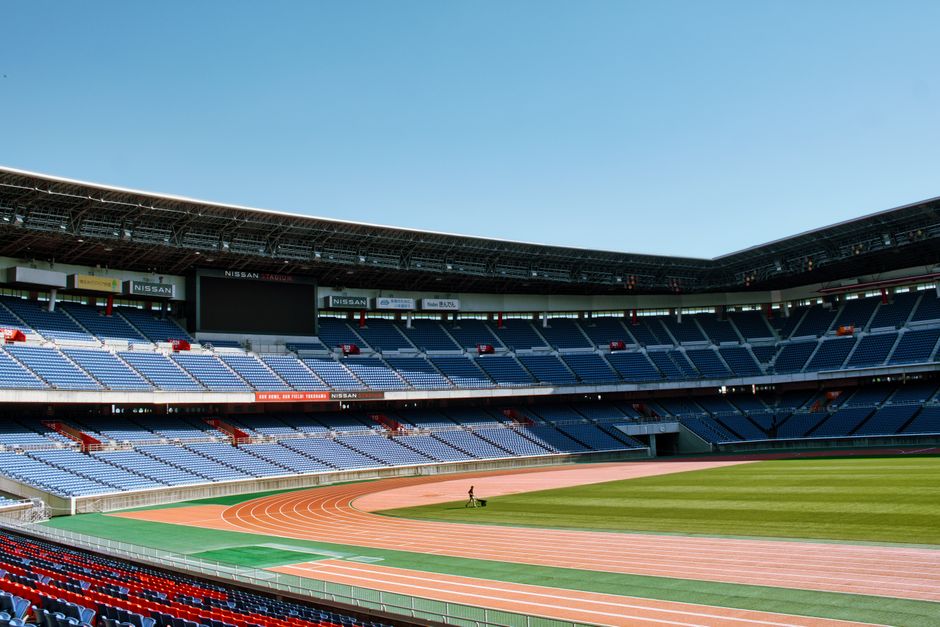
South Bank remains the epicentre of Brisbane's sporting infrastructure, home to the Queensland Sports and Athletics Centre and the Lone Pine Aquatic precinct. Yet increasingly, sophisticated training facilities are spreading across inner-city neighbourhoods. The Milton and West End corridors have seen explosive growth in boutique fitness studios, CrossFit boxes, and hybrid training spaces catering to the city's estimated 280,000 regular gym users—roughly 15 per cent of the metropolitan population. Premium memberships at established venues now range from $60 to $180 monthly, reflecting the quality of equipment and coaching available.
Fortitude Valley has emerged as a secondary training hub, with several high-tech facilities offering functional training, Olympic weightlifting programmes, and specialised coaching. The competition has improved standards across the board. Meanwhile, expanding suburbs like Toowong and Spring Hill are seeing boutique operators establish themselves, reducing travel times for northern Brisbane residents and democratising access to quality training.
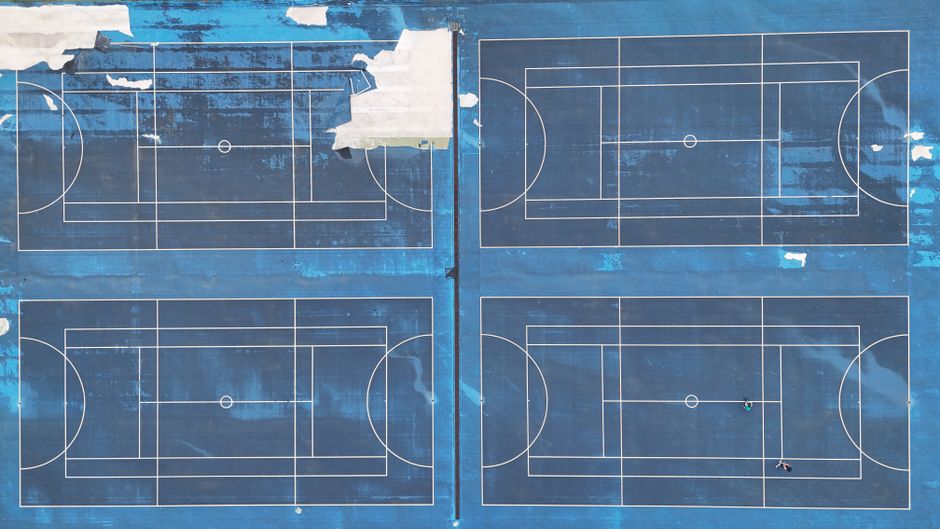
Brisbane City Council's investment in aquatic and athletic infrastructure at various suburban centres has complemented private sector growth. The ongoing redevelopment of Olympic Park precincts—legacy sites from Brisbane's hosting of major events—continues to provide affordable access to tracks, courts, and pools for community users.
What distinguishes Brisbane's current fitness infrastructure is the integration of data-driven training. Many facilities now employ biomechanical analysis technology and performance coaching software, attracting serious athletes preparing for national and international competition. This professionalism has elevated the city's reputation as a training destination, particularly for swimmers, track athletes, and combat sports competitors.
Industry insiders note that the infrastructure expansion reflects confidence in Brisbane's future as a global sporting city, particularly ahead of continued major event hosting. The ripple effect has been significant: personal training certification programmes at local providers have expanded, attracting coaches from interstate, while facility operators report 8-12 per cent annual membership growth across the sector.
For Brisbane residents, the outcome is clear: world-class training is no longer confined to a handful of premium venues. The city's distributed network of modern facilities, combined with its subtropical climate enabling year-round outdoor training, is positioning Brisbane as a serious contender in Australia's fitness infrastructure hierarchy.
This article was compiled by AI from the sources linked above and screened before publishing. See our editorial standards.
Daily Network
From the Daily Network
Related reporting from other cities in our network.