While Brisbane's professional sports teams dominate the headlines, a quieter revolution is unfolding across the city's suburbs. Recreational sports clubs—the backbone of community life—are experiencing unprecedented growth, drawing thousands of participants and reshaping how locals connect with their neighbourhoods.
South Bank's riverside precinct has become a hub for amateur competition. The Brisbane Sporting Club network now operates across five venues, with membership climbing 34 per cent since 2023. Junior cricket competitions on the manicured ovals attract families from Dutton Park to West End, while evening netball fixtures under floodlights transform the grounds into gathering spaces where parents and siblings socialise as much as athletes compete.
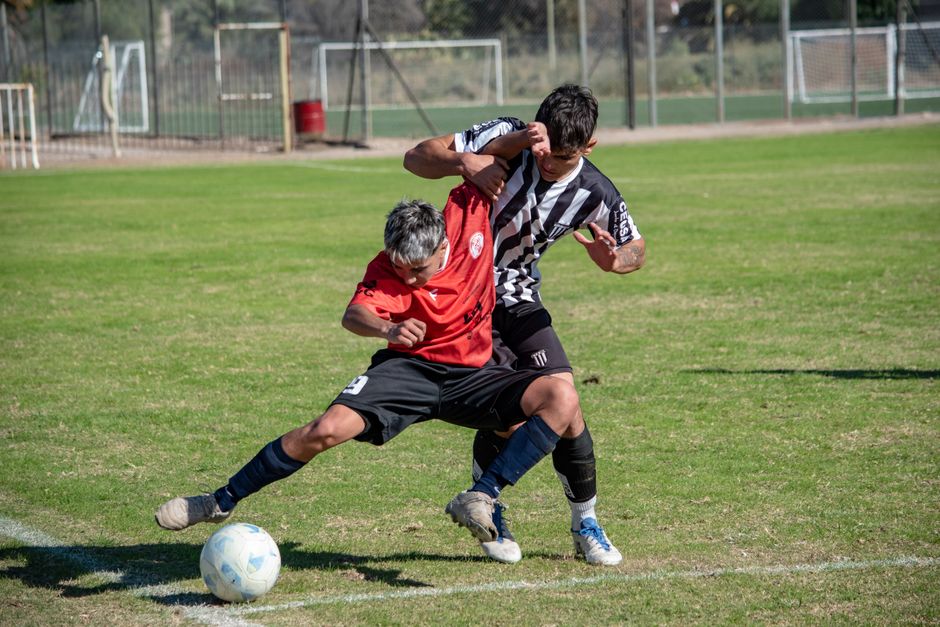
In Sherwood and surrounding inner-west suburbs, grass-roots football clubs report waiting lists for the first time in a decade. Toohey Sports Park, a fixture since the 1950s, now hosts three distinct amateur leagues operating concurrently on weekends. Registration costs hover around $180–$280 per season for adults, positioning participation within reach of working families while funding genuine infrastructure improvements.
"The magic isn't just on the field," explains one longtime club administrator in the northern suburbs. "These clubs have become genuine community hubs. You've got young professionals, retirees, families—all mixing because they share a passion for sport."
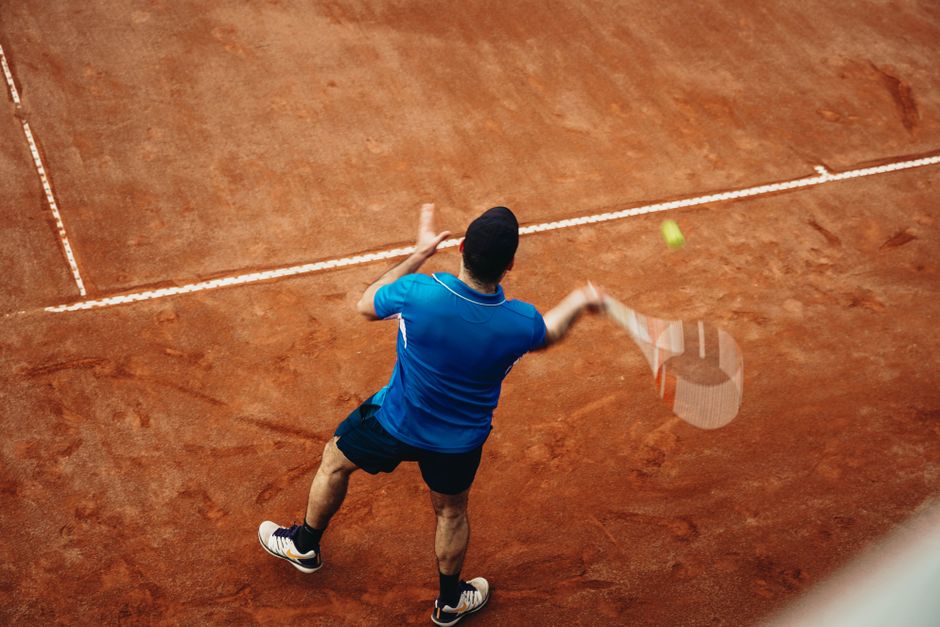
Venues like Davies Park in West Brisbane and Langlands Park in South Brisbane have undergone quiet renaissance. Davies Park's amateur tennis and netball facilities now run back-to-back competitions five nights weekly. The park's modest clubhouse has become a social anchor, with local businesses sponsoring teams and volunteers managing everything from scoreboards to social events.
Data reflects this momentum. Brisbane City Council's recreation participation survey last year identified amateur sports clubs as the fastest-growing community engagement category, outpacing cultural groups and neighbourhood associations. Membership across registered clubs exceeded 47,000 participants—a 28 per cent increase from 2021.
What's driving the surge? Partly post-pandemic desire for in-person connection. But equally important: clubs are deliberately building inclusive cultures. Mixed-gender competitions, all-abilities divisions, and genuinely affordable fees have dismantled traditional barriers. Sherwood's Thursday-night touch football competition now runs three divisions specifically designed for different age groups and experience levels.
As Brisbane continues evolving into a global city, these unglamorous local clubs perform essential work—stitching together the social fabric that makes neighbourhoods feel like genuine communities rather than mere residential addresses.
This article was compiled by AI from the sources linked above and screened before publishing. See our editorial standards.