Brisbane's water sports community is experiencing a renaissance, with clubs across the city reporting record membership numbers and expanding facilities to meet surging demand for swimming, rowing, and aquatic activities.
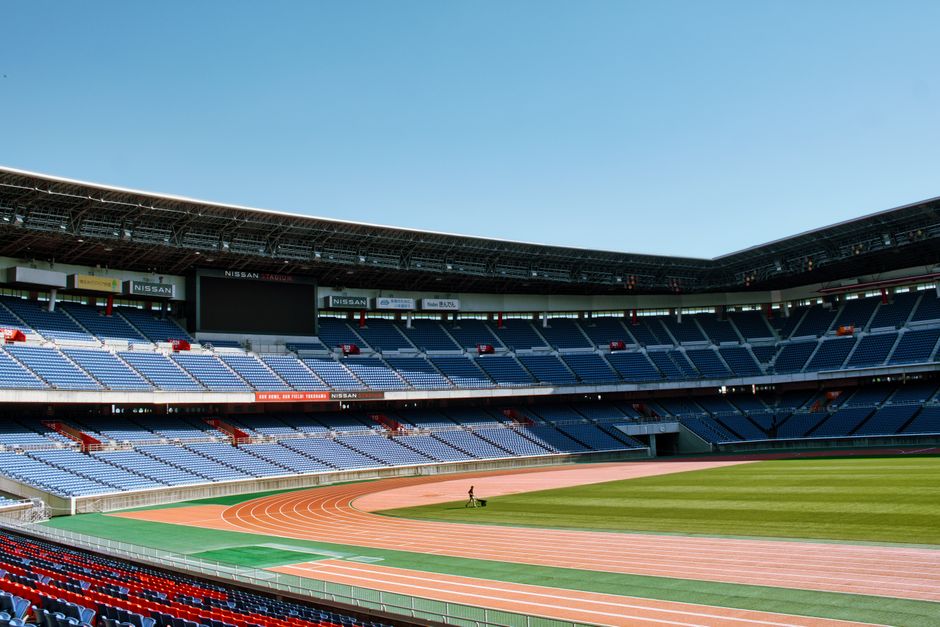
The South Bank Parklands precinct has emerged as a hub for aquatic excellence, with the Queensland Sports and Athletics Centre hosting multiple swimming clubs that collectively serve over 2,500 members. Local clubs report waiting lists extending into 2027, particularly for junior competitive programs, as families recognise the benefits of water-based training during Brisbane's warm climate months.
Down on the Brisbane River, rowing clubs are experiencing similar growth. Organisations operating from West End and Toowong stretches have welcomed approximately 40 per cent more junior members compared to 2024, with learn-to-row programs filling rapidly. These clubs have become social anchors for their neighbourhoods, fostering friendships that extend beyond the water.
The expansion reflects broader trends. Australian swimming participation has grown 15 per cent nationally over the past three years, with Brisbane contributing significantly to these figures. Local club fees typically range from $300 to $800 annually for recreational members, with competitive programs commanding higher investment. Yet affordability schemes—including subsidised memberships for disadvantaged families—ensure the activity remains accessible.
Community-focused initiatives have proven transformative. Clubs operating from facilities like the Toowong Pool complex have introduced beginner-friendly sessions designed to demystify competitive swimming, attracting parents and older adults previously intimidated by structured sport. Water aerobics classes and casual lap swimming have become social occasions, with regular participants forming friendship groups that extend into Brisbane's cafés and parks.
The environmental dimension also resonates locally. Brisbane's subtropical climate positions water sports as natural pursuits, and clubs increasingly emphasise water safety and aquatic conservation education for young members. Several organisations now partner with Brisbane's environmental groups to teach junior swimmers about river health and coastal ecosystems.
Infrastructure investment has been crucial. The State Government's commitment to upgrading public aquatic facilities across Greater Brisbane—including pools in Sunnybank, Ipswich, and the Gold Coast hinterland—has enabled clubs to expand programs beyond traditional inner-city strongholds.
For anyone considering joining, Brisbane's aquatic community welcomes newcomers year-round. Most clubs offer trial sessions and beginner coaching, making the water accessible whether you're seeking competitive excellence or community connection. In a city blessed with waterways, Brisbane's water sports clubs are proving that the best way to build community is often to jump in.
This article was compiled by AI from the sources linked above and screened before publishing. See our editorial standards.