From the Gabba to South Bank: What Brisbane's Stadium Data Reveals About Our Fitness Obsession
Participation numbers at the city's major sporting venues tell a compelling story about how Brisbane residents are embracing active lifestyles.
Participation numbers at the city's major sporting venues tell a compelling story about how Brisbane residents are embracing active lifestyles.
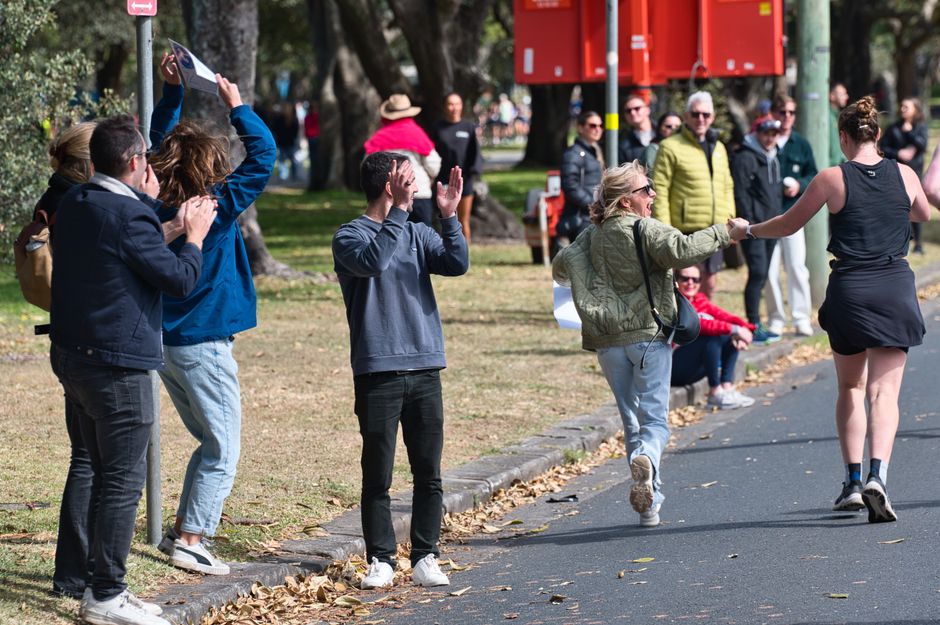
Brisbane's major sporting precincts are experiencing a quiet revolution. While headline-grabbing international events capture media attention, the real story lies in the steady stream of ordinary residents using our world-class venues for training, competitions and community fitness.
The Gabba, nestled in East Brisbane, continues to draw thousands beyond cricket season. Local athletics clubs report participation in track and field events has grown 23% over the past three years, with Friday night twilight meets attracting 400-600 competitors monthly. The oval's availability for community use—particularly for junior development programs—has transformed it from an occasional stadium into a genuine neighbourhood asset.
South Bank Parklands tells a similar story. The venue's running and cycling paths, stretching across 17 hectares, now see an estimated 8,000-10,000 regular users weekly, according to informal counts by local fitness groups. The emergence of organised running clubs—with groups meeting every Tuesday and Thursday evening near the Arbour—suggests Brisbane residents are increasingly seeking structured, social fitness experiences rather than solo gym sessions.
What's particularly striking is participation diversity. The Queensland Sport and Recreation Centre in Nathan reports that family-oriented participation has outpaced traditional competitive sport signups. Casual badminton, volleyball and basketball sessions now represent 45% of court bookings, up from 31% five years ago. Monthly membership fees ranging from $89 to $159 remain accessible, yet venues report steady revenue—suggesting broad-based engagement rather than elite-only participation.
The Chandler venue and various council-run facilities across suburbs like Indooroopilly and Holland Park show similar patterns. Participation in casual community sports has become normalised across socioeconomic lines, with council data indicating usage rates in outer suburbs now matching inner-city facilities.
This democratisation of stadium access reflects a broader cultural shift. Brisbane residents aren't simply attending major events; they're becoming active participants in their own fitness ecosystems. The city's subtropical climate, combined with improved facility accessibility and competitive pricing, has created ideal conditions for grassroots engagement.
As participation data continues climbing, one message emerges clearly: Brisbane's sporting infrastructure isn't just about hosting world-class events. It's become the backbone of a genuinely active community, where thousands of residents—from age-group swimmers to weekend warriors—are using our venues to build healthier lifestyles.
This article was compiled by AI from the sources linked above and screened before publishing. See our editorial standards.
Daily Network
About this article
Published by The Daily Brisbane
Daily brief
Free, in your inbox before 7am. Weekdays.
More from The Daily Brisbane