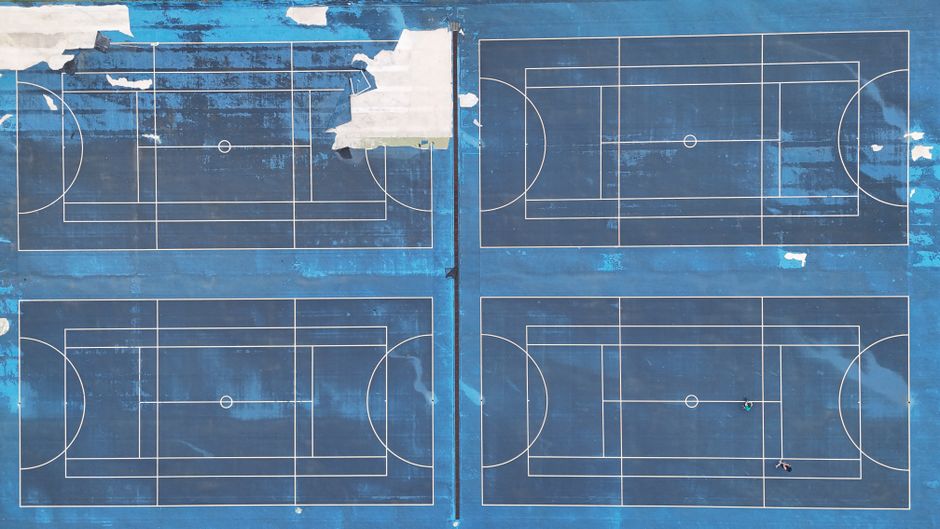
While world football captures headlines with geopolitical drama and billion-dollar transfers, Brisbane's real soccer story is unfolding in the shadows of city parks and suburban ovals—where young players, volunteer coaches and determined parents are building something far more sustainable than any celebrity signing.
The numbers tell the story. Across Brisbane's grassroots network, participation in junior soccer has grown 34 per cent over the past three seasons, according to Football Queensland's latest participation survey. Clubs operating from Toowong to Eight Mile Plains, from New Farm to Inala, are now fielding more than 6,500 junior players weekly—up from fewer than 4,800 in 2023.
At South Brisbane FC, located within walking distance of the cultural precinct, the transformation has been dramatic. The club, which operates from grounds near Annerley Street, has expanded from three junior teams to fifteen in just two years. Club coordinator insights suggest the shift reflects not just pandemic recovery, but a fundamental change in how Brisbane families view community sport as both accessible entertainment and genuine pathway development.
"What's driving this isn't the A-League," says one volunteer coach working with under-12s at Toowong United, who operates from fields near the University of Queensland campus. "It's families wanting their kids to be part of something real. Soccer doesn't require expensive equipment, it builds friendships, and it's genuinely inclusive."
The economics matter too. A season's registration for junior soccer in Brisbane ranges from $180 to $350 depending on age group and club—substantially cheaper than cricket or private sports coaching. This accessibility has opened pathways for families across diverse socioeconomic backgrounds throughout western and southern suburbs.
Fortitude Valley Youth Soccer Club, operating from grounds near the Brisbane River precinct, has become particularly notable for its work with newly arrived communities. Around 40 per cent of players now come from migrant and refugee families, club records show. Football becomes not just sport but integration mechanism.
The infrastructure investment backs this momentum. Brisbane City Council has upgraded facilities at more than twenty suburban parks over the past eighteen months, with dedicated soccer pitches installed in suburbs including Coorparoo, Moorooka and Tarragindi.
These aren't glamorous stories. There are no sponsorship deals or media coverage for the volunteer who organizes weekend fixtures or the parent who drives their child across Brisbane's western suburbs twice weekly. Yet this is where Australia's football culture builds its foundations—in rain-soaked pitches, modest clubhouses and the genuine commitment of communities to their young players.
As Brisbane emerges as a genuine sporting city, the grassroots game isn't just supporting elite pathways. It's creating something arguably more valuable: sustainable, inclusive community.
This article was compiled by AI from the sources linked above and screened before publishing. See our editorial standards.