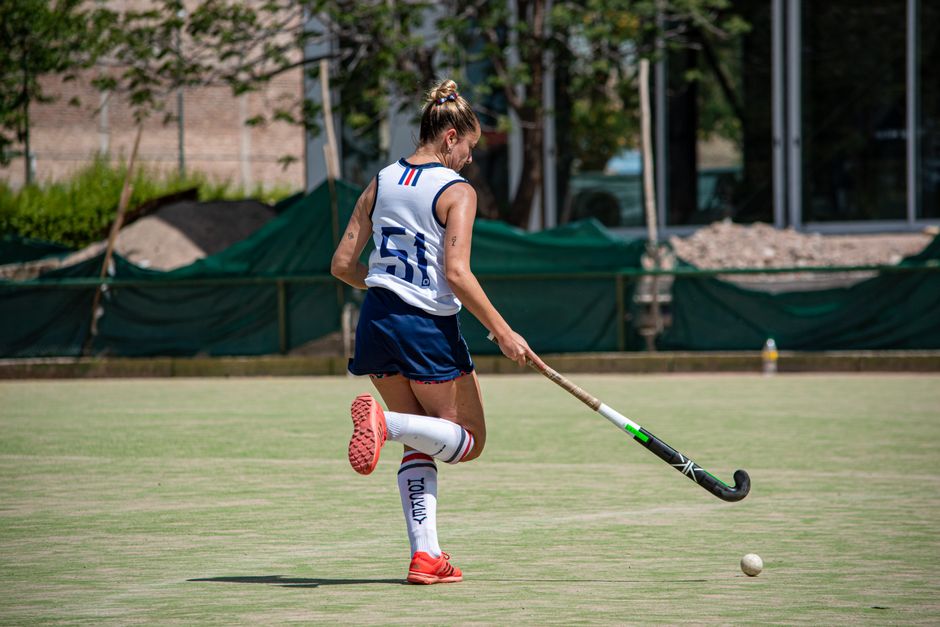
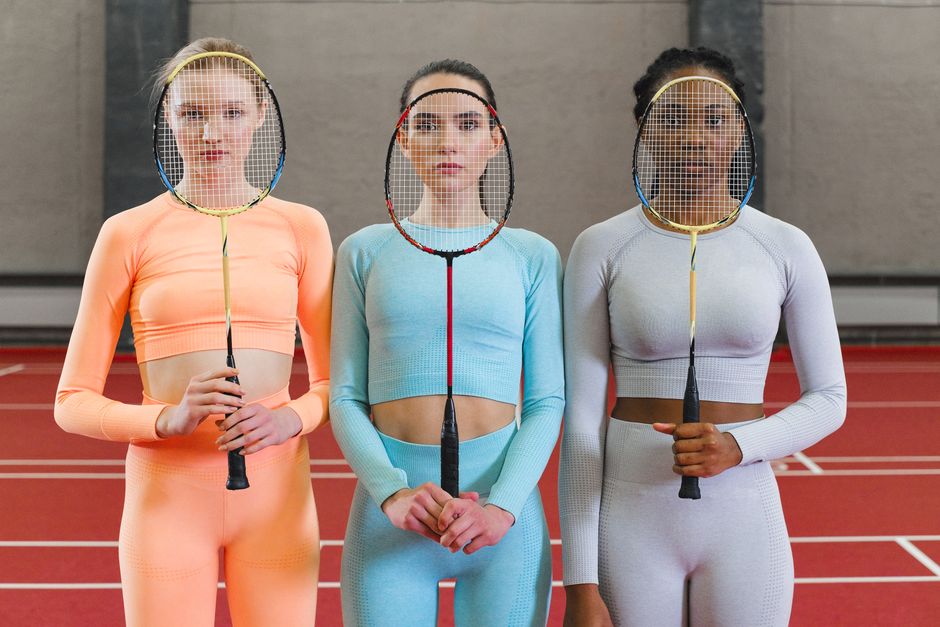
The marquee numbers are easy enough to find. Suncorp Stadium holds 52,500. The revamped Gabba, scheduled to anchor the 2032 Olympic program, carries a price tag that has ballooned past $2.7 billion. But ask the people actually running weekend sport in Brisbane where the real action is, and they'll point you somewhere far less glamorous — a half-lit changeroom at Yeronga Memorial Park, or a freshly lined oval at Downey Park in Windsor.
The timing matters. With international attention fixed on Brisbane ahead of the Olympics, and with Australians processing back-to-back sporting heartbreaks — the Wallabies surrendering the Nations Championship to Ireland on Saturday, and the Socceroos crashing out of the World Cup on penalties against Egypt hours later — there's a sharper appetite than usual for asking what the sport pipeline actually looks like below the elite level. Flags and penalty shootouts get the airtime. It's the junior soccer registrations and the Saturday-morning touch footy rosters that sustain the whole structure.
The Infrastructure Nobody Photographs
Brisbane City Council's Active Brisbane Strategy, renewed in early 2025, committed $48 million over four years to community sport infrastructure upgrades. That money is working its way through the suburbs right now. Geebung Oval in the northern suburbs received resurfaced playing fields in March. The Bulimba Memorial Park precinct — a sprawling multi-sport complex off Oxford Street in Bulimba — is mid-way through a $3.1 million lighting and amenities upgrade expected to finish by October.
The Brisbane Lions' community arm has been running its Lions Pride program out of Coorparoo and surrounding southside suburbs, putting coaching clinics into state primary schools during term time. Participation in Auskick across the Greater Brisbane zone grew by 14 percent between 2023 and 2025, according to AFL Queensland's most recent annual report. Football Queensland reported that junior club registrations in the city's south-east corridor — Capalaba, Redlands, Springwood — hit a five-year high of 11,400 in the 2025 winter season.
None of that happens at the Gabba.
Volunteers Carrying the Load
The practical reality inside most Brisbane community clubs is that they run on perhaps a dozen reliable volunteers and a working-bee WhatsApp group. St Lucia Football Club, which fields 22 junior teams out of Payne Road, ran its annual canteen fundraiser in May and cleared just under $6,000 — enough to replace two sets of goalposts and partially restock the first-aid kit. The club secretary, who also coaches the under-11 girls on Saturday mornings, said the gap between what council grants cover and what clubs actually need remains stubborn.
That gap is the central tension in Brisbane's grassroots sport story. The 2032 Games will pour resources into world-class competition venues — the revitalised Queensland Sport and Athletics Centre at Nathan, the aquatic facilities at Chandler, the velodrome at Sleeman Sports Complex in Chandler. Those are real assets. But the pathway feeding athletes into those venues starts at Ferny Hills or Wynnum, with a parent refereeing under lights on a Tuesday night.
Sport and Recreation Queensland is due to release its next round of Community Activation Grants in August, with individual club applications capped at $15,000. Clubs in flood-affected catchments — particularly those along Kedron Brook and the lower Oxley Creek corridor — are eligible for a 20 percent loading. The application portal opens August 11.
For clubs preparing bids, the advice from organisations that have successfully navigated previous rounds is consistent: document your volunteer hours, quantify your participation numbers by age and gender, and tie your infrastructure request directly to a stated community health outcome. Committees that treat the grant form as a box-ticking exercise tend to miss out to those that can tell a specific local story — the kind of story that big stadiums, for all their grandeur, cannot tell for themselves.