Brisbane's Tech Boom Has a Shadow Side Nobody Wants to Talk About
The city's fastest-growing sector is mapping three years of ambitious growth, but the ethical landmines, workforce risks and regulatory blind spots are already detonating.
The city's fastest-growing sector is mapping three years of ambitious growth, but the ethical landmines, workforce risks and regulatory blind spots are already detonating.
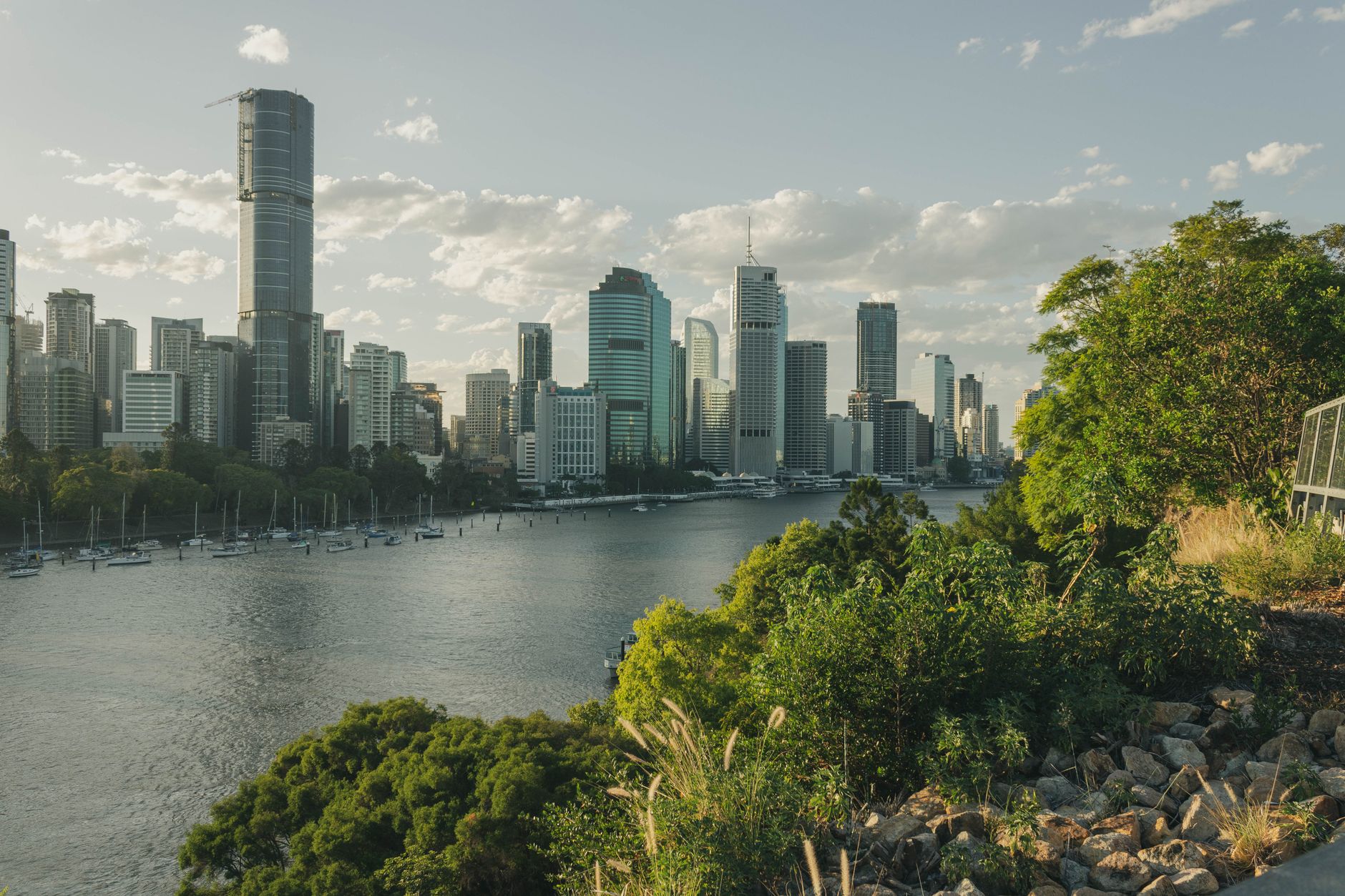
Brisbane's technology sector is projecting $4.2 billion in economic output by 2029, according to figures circulated at last month's Queensland AI and Innovation Summit held at the Brisbane Convention and Exhibition Centre. The products driving that number are not hypothetical. They are in development right now, in offices along Fortitude Valley's Ann Street corridor and in the riverside precincts around South Bank. The harder question, one that summit panels kept skirting, is what happens when they go wrong.
The timing matters because Brisbane is no longer a beta market. The city absorbed significant infrastructure investment ahead of the 2032 Olympic Games preparation cycle, and tech firms from Sydney, Singapore and San Francisco have planted genuine operational stakes here, not just sales offices. That creates a different kind of accountability. When a startup in a peripheral market ships a flawed AI product, the damage is containable. When an embedded supplier to Queensland Health or the Department of Transport does the same thing, the blast radius is much larger.
Two organisations sit close to the centre of this conversation. The Queensland AI Hub, headquartered on Coronation Drive in Milton, has been running its Responsible AI Accelerator cohort since February 2026, putting 14 startups through ethics audits and bias-testing frameworks before they reach market. Program director materials reviewed by The Daily Brisbane show that fewer than half of applicants in the most recent intake could demonstrate documented bias-testing protocols before applying. They learned on the job, which is better than not learning at all, but it is a thin margin when the products involve hiring algorithms and healthcare triage tools.
Meanwhile, QUT's Centre for Automation and Robotics, based at the Kelvin Grove Urban Village campus, published internal benchmarking in June showing that three of its seven active industry partnership projects had encountered what researchers classified as "alignment drift", cases where an AI system's outputs diverged meaningfully from its design intent after deployment in real-world conditions. That is not a scandal. It is a normal engineering problem. But none of those three projects had contractual clauses requiring the industry partner to notify end users when drift was detected. The centre is now pushing for that to become standard in its partnership agreements from Q3 2026 onward.
The workforce dimension is equally complicated. A report released in May by the Committee for Brisbane estimated that automation-adjacent technologies will displace approximately 38,000 administrative and mid-tier professional roles across Greater Brisbane before 2030. The same report projected 21,000 new roles in AI operations, data governance and machine-learning maintenance. The gap between those two numbers, roughly 17,000 people, does not resolve itself. TAFE Queensland's digital skills division has expanded its AI literacy short courses to 22 locations across the metro area, with fees starting at $340 per unit, but enrolments are running well below the pace needed to close that gap in any realistic timeframe.
The Australian government's AI Safety Standard, flagged for release before the end of 2026 under the Department of Industry, Science and Resources framework, will force companies above a certain revenue threshold to document risk assessments for high-stakes AI deployments. Brisbane-based firms are watching that threshold number very closely. If it is set at $10 million annual turnover, a significant portion of the Valley's scale-up cohort falls underneath it and faces no mandatory obligations whatsoever.
Consumers and businesses dealing with Brisbane tech firms in the next three years should ask two direct questions: does this product have a documented bias audit, and what happens if the system's behaviour changes after I sign a contract? Those are not technical questions. They are commercial and ethical ones, and the answers will separate the serious operators from those simply riding a particularly good wave of investment timing. The wave is real. So is the reef underneath it.
Advertise
Reach thousands of Brisbane readers daily. Contact us at hello@dailybrisbane.com.au to advertise.
Get in touch →Daily Network
About this article
Published by The Daily Brisbane
Daily brief
Free, in your inbox before 7am. Weekdays.
More from The Daily Brisbane


