The best wind-down routines backed by sleep science
As Brisbane's winter nights draw in, sleep experts reveal the evidence-backed habits that actually work—and why your evening routine matters more than you think.
As Brisbane's winter nights draw in, sleep experts reveal the evidence-backed habits that actually work—and why your evening routine matters more than you think.
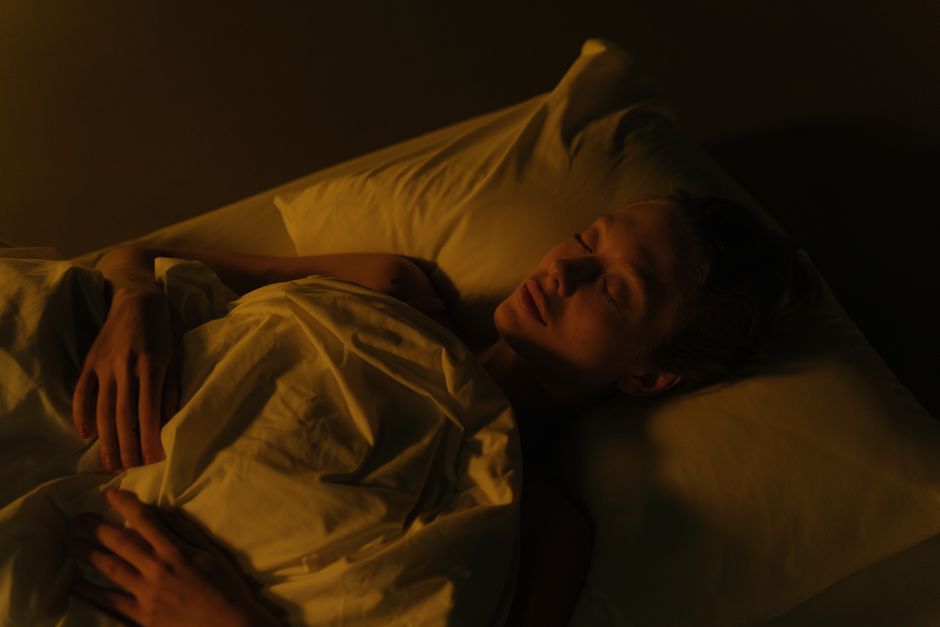
After months of long, warm Brisbane evenings, winter is finally giving us something precious: earlier darkness and cooler nights. But many of us still struggle to switch off, scrolling through phones while lying in bed or wrestling with racing thoughts until midnight.
Sleep scientist Dr Sarah Chen, who consults with Brisbane's wellness community, says the secret lies not in what happens at bedtime, but in what we do in the two hours before. "Your body needs a genuine transition period," she explains. "Not just dimming the lights at 10:45pm and expecting sleep at 11."
The science is clear: consistent wind-down routines reduce cortisol levels and increase melatonin production. Brisbane residents who've adopted structured evening habits report falling asleep 20–30 minutes faster than before, according to feedback from local health practitioners.
What actually works
The evidence supports four key practices. First: temperature. A warm bath or shower 90 minutes before bed raises core body temperature, which then drops naturally, signalling sleep time. The water temperature matters—around 40°C is ideal, not scalding.
Second: light management. Blue light from screens suppresses melatonin. Switching devices off by 9pm, or using blue-light filters, makes a measurable difference. Third: consistent timing. Going to bed and waking at the same time daily—even weekends—synchronises your circadian rhythm far more effectively than irregular sleep.
Fourth: gentle movement. A 20-minute walk through New Farm Park or along the Brisbane River just after sunset combines light exposure, movement, and fresh air in one evidence-backed package. South Bank's evening pathways offer the same benefit.
The Brisbane angle
Our subtropical climate offers year-round opportunity for evening walks, yet many of us stay indoors. Local gyms in South Bank and Fortitude Valley now offer evening "wind-down" sessions—stretching and breathwork classes priced around $15–20—designed specifically for post-work transition.
Naturopath clinics across Brisbane's inner suburbs also stock magnesium glycinate supplements (around $25–35 per bottle), which research suggests can improve sleep quality without the grogginess of heavier interventions. Always consult your GP before starting supplements.
The non-negotiable
Caffeine after 2pm, alcohol close to bedtime, and large meals within three hours of sleep all disrupt sleep architecture. These aren't myths—they're backed by decades of sleep research.
Your bedroom should be cool (around 18°C), dark, and quiet. For Brisbane residents, blackout blinds ($40–80) and earplugs are often more practical than air conditioning alone.
Winter nights are the perfect time to reset your sleep habits. Start with one change—perhaps a nightly walk or an earlier phone shutdown—and let the science do the work.
This article was compiled by AI from the sources linked above and screened before publishing. See our editorial standards.
Daily Network
About this article
Published by The Daily Brisbane
Daily brief
Free, in your inbox before 7am. Weekdays.
More from The Daily Brisbane