Prostate Health: What Men Over 50 Need to Know
As Brisbane's male population ages, urologists stress the importance of early screening and lifestyle choices to protect prostate health.
As Brisbane's male population ages, urologists stress the importance of early screening and lifestyle choices to protect prostate health.
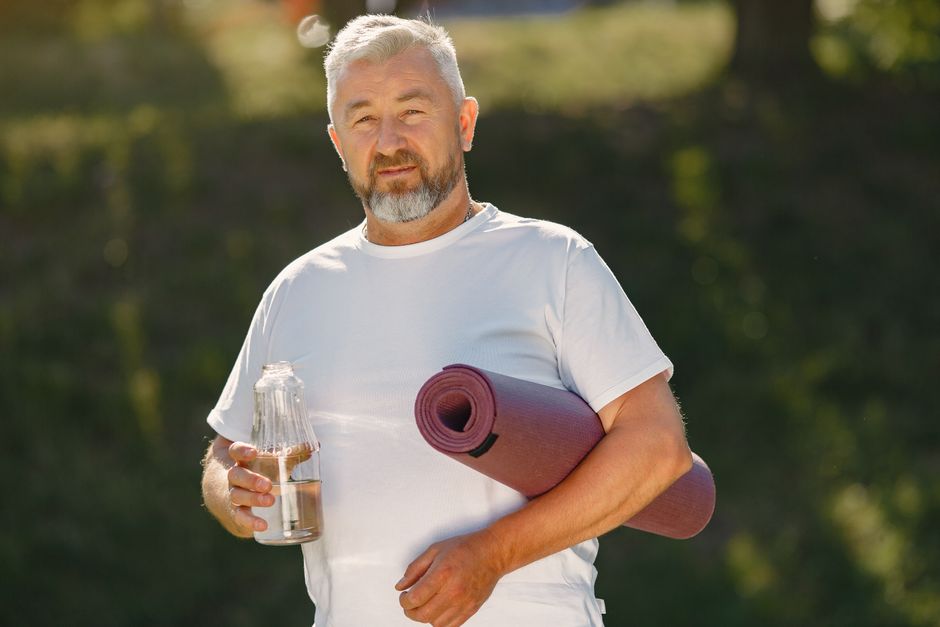
For men over 50 in Brisbane, prostate health deserves the same attention as heart disease or diabetes. Yet many still avoid the conversation altogether. Prostate cancer remains the most commonly diagnosed cancer among Australian men, with one in six likely to be affected in their lifetime, according to Cancer Council Australia.
Dr Michael Chen, a urologist at the Mater Hospital in South Brisbane, emphasises that early detection saves lives. "Men aged 50 and over should have an annual conversation with their GP about screening options," he says. "That includes a PSA blood test and digital rectal examination."
Brisbane's outer suburbs, where many retirees settle, have seen growing demand for men's health clinics. The Grange clinic on Coronation Drive now offers dedicated prostate screening days, with appointments typically costing $150–$200 out of pocket. While Medicare covers GP consultations, the PSA test itself remains largely out-of-pocket.
Lifestyle factors matter too. Men who exercise regularly—whether walking along the Brisbane River parklands or attending fitness classes at South Bank—have better prostate outcomes. Research shows that moderate physical activity reduces prostate cancer risk by up to 20 per cent. The good news: you don't need intense workouts. Even regular walks through New Farm Park or cycling along the CityCycle network provide measurable benefits.
Diet plays a role as well. A Mediterranean-style approach—rich in vegetables, fish, and olive oil—has shown promise in reducing aggressive prostate cancer risk. Limiting red meat and dairy may also help, though men should consult their GP or a dietitian before making major dietary shifts.
Symptoms to watch include difficulty urinating, weak urine flow, frequent nighttime bathroom visits, and pelvic discomfort. These don't automatically signal cancer—benign prostate enlargement is common—but they warrant a GP visit.
The conversation around prostate health is shifting. Male-focused wellness spaces across Brisbane, from gyms in Fortitude Valley to community centres in the inner west, are increasingly hosting health talks alongside fitness programmes. This normalisation helps men approach screening without embarrassment.
The takeaway: prostate health isn't complicated, but it does require action. Men over 50 should book a GP appointment to discuss screening options tailored to their individual risk. Early intervention, combined with exercise and sensible eating, offers the best defence. Your local Brisbane GP remains your first point of call—don't wait for symptoms to appear.
This article was compiled by AI from the sources linked above and screened before publishing. See our editorial standards.
Daily Network
About this article
Published by The Daily Brisbane
Daily brief
Free, in your inbox before 7am. Weekdays.
More from The Daily Brisbane