Magnesium deficiency signs and food sources: what Brisbane wellness advocates need to know
If muscle cramps plague your riverside runs or fatigue hits during South Bank workouts, magnesium deficiency could be the culprit—and your local supermarket has the answer.
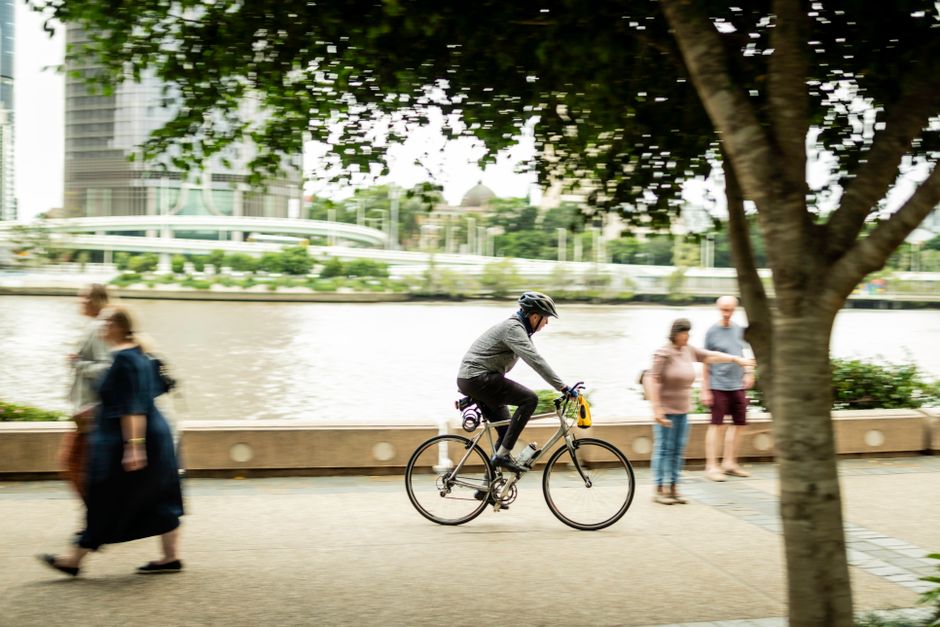
Brisbane's fitness culture thrives on outdoor movement: morning jogs along the Brisbane River, strength training at South Bank's open-air gyms, weekend walks through New Farm Park. But if you've noticed persistent muscle twitches, unexpected fatigue, or difficulty recovering after exercise, your body might be signalling a magnesium shortfall.
Magnesium is essential for muscle function, energy production, and nervous system regulation. Yet many Australians, particularly active individuals who sweat regularly in Brisbane's subtropical climate, run low on this critical mineral. The signs aren't always obvious. Beyond obvious muscle cramps, deficiency can manifest as headaches, irritability, sleep disruption, or a general sense of sluggishness that doesn't improve with rest.
Dr Sarah Chen, a Brisbane-based nutritionist, notes that "active individuals lose magnesium through perspiration, especially during winter outdoor training when people don't realise they're still sweating." If you're training regularly at South Bank or tackling the inclines around Lone Pine, your needs may be higher than sedentary adults.
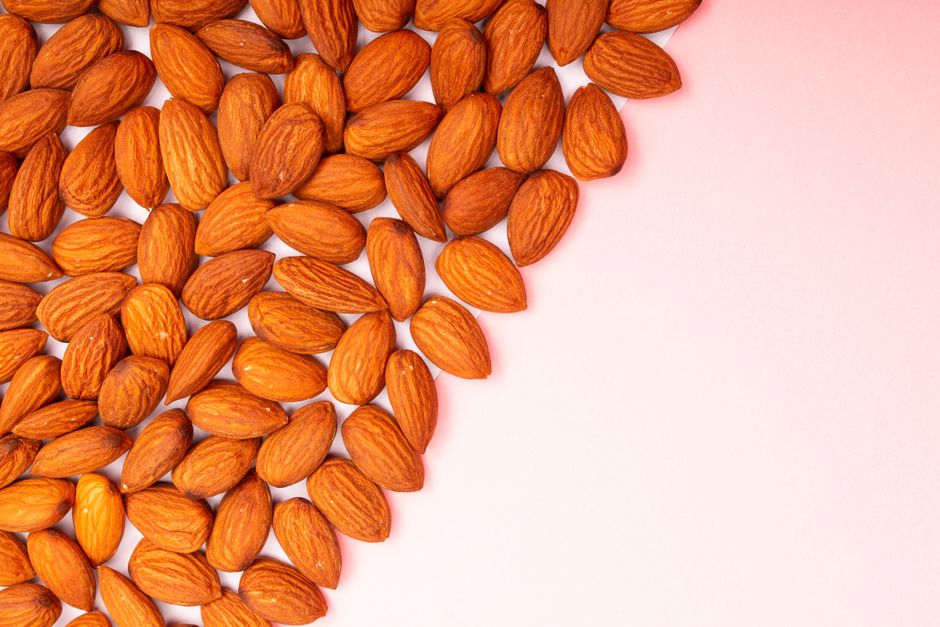
The good news? Magnesium-rich foods are accessible and affordable across Brisbane's supermarkets and farmers' markets. Leafy greens—spinach and kale—top the list. A 200g serve of fresh spinach from your local Coles or Woolworths costs roughly $2–3 and delivers approximately 160mg of magnesium. Nuts and seeds are equally potent: a 30g handful of almonds (around $1.50 from bulk sections at Paddington markets or Broadway) provides 80mg. Pumpkin seeds, widely stocked, offer similar amounts at competitive prices.
Whole grains matter too. Brown rice, available at any supermarket for under $3 per kilogram, contains 85mg per cooked cup. Legumes—lentils, chickpeas, black beans—are budget-friendly powerhouses, delivering 70–100mg per cooked cup and costing less than $2 per tin. Dark chocolate (70% cocoa or higher) offers a tasty option: just 30g provides 50mg alongside mood-boosting compounds.
Brisbane's café culture also helps. Many local cafés now offer magnesium-rich smoothies featuring spinach and almond milk, typically $7–9. Avocado—plentiful at farmers' markets year-round—adds 30mg per fruit alongside heart-healthy fats.
If you suspect deficiency, consult your GP or a local dietitian before supplementing. However, incorporating these whole-food sources into daily meals—a spinach salad with pumpkin seeds, almonds as snacks, lentil-based dinners—provides sustainable, delicious support for your fitness goals and overall wellness.
This winter, as you lace up for riverside parkland sessions or push through South Bank training, remember: your muscles need fuel, and magnesium is non-negotiable.
This article was compiled by AI from the sources linked above and screened before publishing. See our editorial standards.
Daily Network
From the Daily Network
Related reporting from other cities in our network.