The Nap Paradox: When Brisbane's Midday Rest Works for You—and When It Works Against You
As winter temperatures soften the afternoon slump, sleep experts reveal why a 20-minute nap might save your day—or sabotage your night.
As winter temperatures soften the afternoon slump, sleep experts reveal why a 20-minute nap might save your day—or sabotage your night.
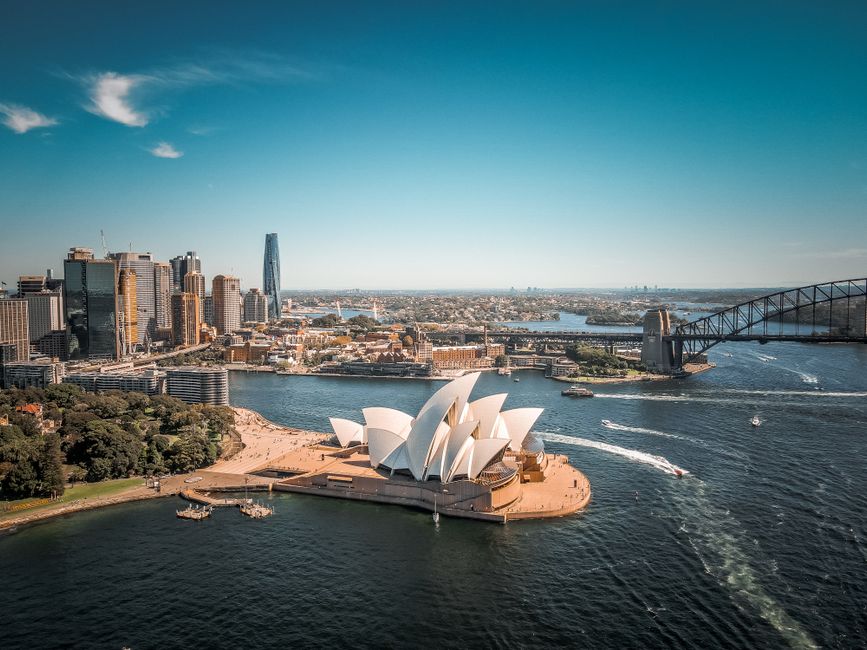
Brisbane's mild winters have made afternoon napping almost unavoidable. Whether you're watching the Brisbane River from South Bank Parklands or stealing forty winks at your desk in the CBD, the urge to sleep when the sun is still high is real. But sleep science suggests not all naps are created equal.
The key distinction lies in timing and duration. A short nap—typically 10 to 20 minutes—can boost alertness, improve reaction time, and enhance mood without triggering sleep inertia, that groggy feeling that derails your afternoon. Research from sleep clinicians suggests Brisbane's active outdoor culture, where residents log significant hours at New Farm Park or along riverside pathways, makes micro-naps particularly valuable for recovery.
"The sweet spot is before 3pm," explains the science of circadian rhythms. Napping later can interfere with nighttime sleep quality, particularly problematic during Brisbane's winter months when evening schedules tighten. Those who nap after mid-afternoon risk lying awake at 10pm, creating a vicious cycle of sleep debt.
The risk intensifies for shift workers or those juggling unpredictable schedules—common in Brisbane's growing tech and healthcare sectors. A 90-minute nap sounds restorative but often leaves you deeper in a sleep cycle when you wake, creating that notorious afternoon fog rather than clarity.
Age matters too. Younger adults generally tolerate afternoon naps without nighttime consequences, while those over 50 often find longer naps disrupt their already-fragmented sleep architecture. Brisbane's growing population of active retirees enjoying the South Bank fitness culture may want to limit naps to 20 minutes maximum.
Environmental factors specific to Brisbane also play a role. Our humid winters and inconsistent daylight patterns affect melatonin production differently than southern states. Napping in a cool, dark space—difficult when you're enjoying outdoor exercise—versus napping in afternoon brightness can dramatically affect your evening sleep onset.
The emerging consensus: nap strategically. Schedule short rests for early afternoon if you're sleep-deprived or facing cognitively demanding work. Skip the nap if you're already sleeping reasonably well at night, or if evening commitments start before 8pm. Pay attention to how you feel two hours after waking—that's your real data.
Brisbane's wellness culture thrives on self-awareness and adaptation. Your ideal nap might be radically different from your colleague's. The answer isn't whether to nap, but when, how long, and whether it genuinely serves your 24-hour sleep-wake balance.
This article was compiled by AI from the sources linked above and screened before publishing. See our editorial standards.
Daily Network
About this article
Published by The Daily Brisbane
Daily brief
Free, in your inbox before 7am. Weekdays.
More from The Daily Brisbane