Brisbane Bedroom Setup for Better Sleep: Winter Checklist
Transform your Brisbane bedroom for deeper sleep this winter. Expert-backed checklist covering temperature, darkness, and soundproofing—tailored for Brisbane's climate.
Transform your Brisbane bedroom for deeper sleep this winter. Expert-backed checklist covering temperature, darkness, and soundproofing—tailored for Brisbane's climate.
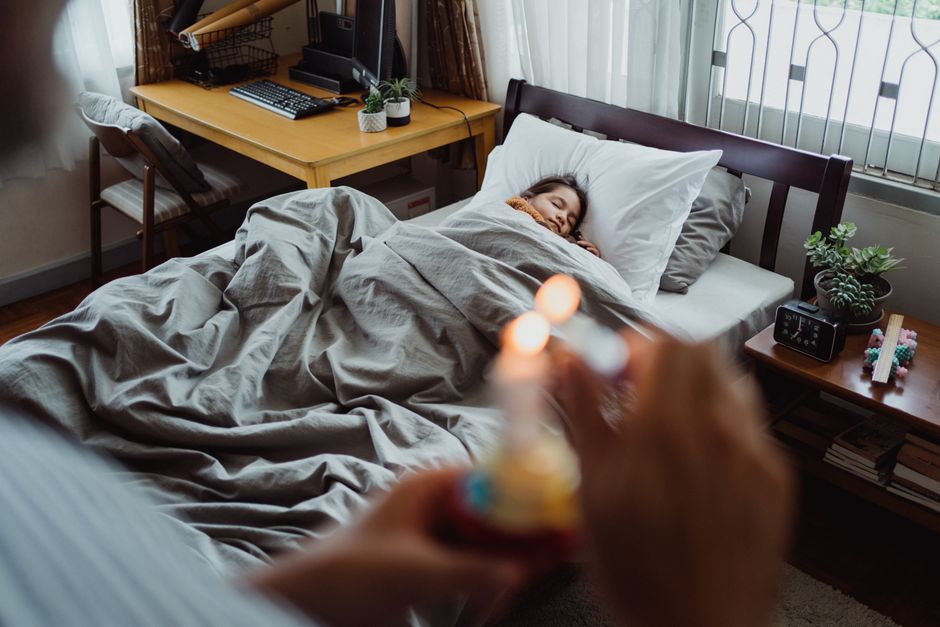
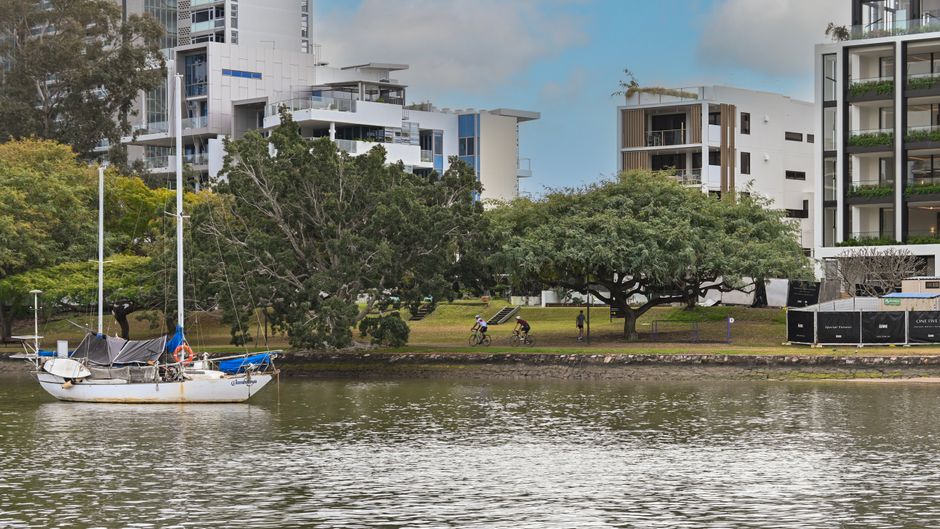
Brisbane's warm climate often means we overlook bedroom conditions, but sleep scientists agree: your environment is as crucial as your pillow choice. Whether you're in the leafy streets of New Farm or the riverside apartments of South Bank, a strategic checklist can transform your nights.
Start with temperature. Brisbane averages 15–17°C in June and July—ideal sleeping conditions that many of us disrupt with poor ventilation. A quality ceiling fan (expect $150–$400 installed) paired with lightweight cotton sheets creates the sweet spot for deep sleep. Keep your bedroom between 16–19°C if possible; warmer nights in spring mean investing in breathable bedding rather than heavy quilts.
Darkness is non-negotiable. Street lights along South Bank Parklands and inner-Brisbane suburbs can bleed through standard curtains. Block-out blinds cost $200–$600 but are worth considering if early dawn disturbs you. Alternatively, a quality eye mask ($20–$50) is a portable solution for travellers or those hesitant to retrofit.
Sound management often gets forgotten in a city environment. Brisbane's traffic hum—especially near major roads like the Riverside Expressway—can fragment sleep architecture. White noise machines ($40–$150) or apps like Calm work well; earplugs ($5–$15) are the budget option. Some people find nature soundscapes (rain, ocean) more restful than artificial white noise.
Humidity sits between 30–50% for optimal sleep. Brisbane's winter is dry, which can irritate airways. A basic humidifier ($50–$200) helps, particularly if you wake with a dry throat. Conversely, summer humidity can make a dehumidifier worthwhile—though opening windows toward parks like New Farm Park often provides better air circulation.
Electronic devices are the hidden culprit. Blue light from phones, tablets and televisions suppresses melatonin production. Create a tech-free zone 60 minutes before bed; position your phone charger outside the bedroom if willpower wavers. Many Brisbane GPs now recommend this as a first step before exploring sleep aids.
Finally, consistency beats perfection. Your body thrives on routine. A cool, dark, quiet bedroom paired with a regular sleep schedule works better than chasing every wellness trend. If you're exercising regularly—say, morning walks through South Bank or strength training—ensure your sleep environment supports recovery.
These adjustments require minimal expense but significant intention. Start with one or two changes: perhaps blackout blinds and a fan. After two weeks, assess your sleep quality. Most people notice improvements in energy, mood and focus within a month. For persistent sleep issues, consult your local GP—they can rule out underlying conditions and personalise advice.
This article was compiled by AI from the sources linked above and screened before publishing. See our editorial standards.
Daily Network
About this article
Published by The Daily Brisbane
Daily brief
Free, in your inbox before 7am. Weekdays.
More from The Daily Brisbane