Why Brisbane's sleep crisis is getting worse – and what actually helps
From screen time to summer heat, our city's residents are tossing and turning more than ever. Here's what sleep experts say we're doing wrong.
From screen time to summer heat, our city's residents are tossing and turning more than ever. Here's what sleep experts say we're doing wrong.
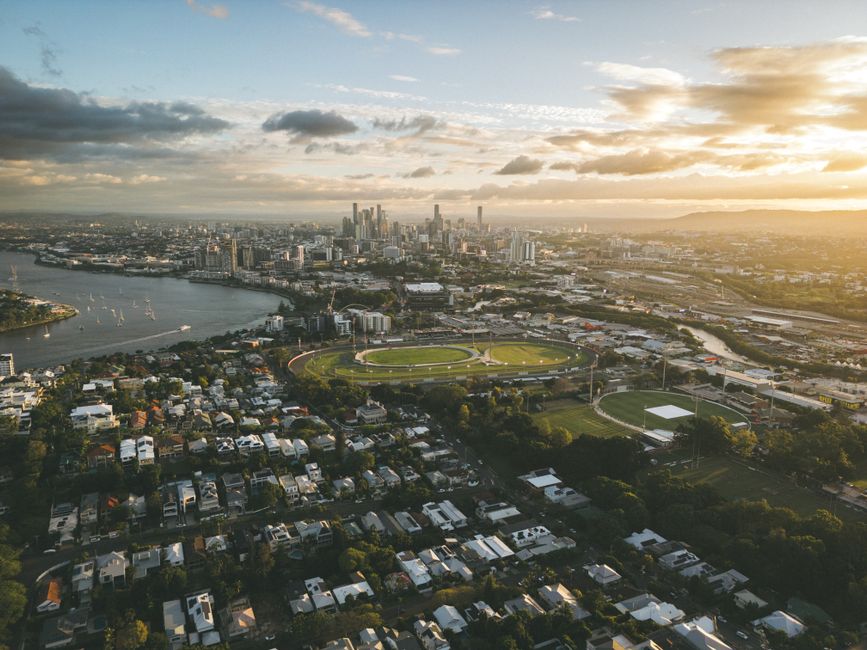
Brisbane's reputation as an outdoor, active city masks a quieter crisis happening behind closed bedroom doors: we're sleeping worse than ever. Recent wellness surveys suggest nearly 40 per cent of Australian adults experience poor sleep regularly, and Brisbane's subtropical climate and 24/7 lifestyle aren't helping.
The culprits are familiar but persistent. Blue light from phones keeps our brains wired well past midnight. Brisbane's intense summer heat – regularly pushing 30°C even at night – makes air-conditioned bedrooms essential but disrupts natural sleep cycles. Work-from-home routines have blurred boundaries between office and rest space, particularly in inner suburbs like New Farm and Paddington where compact apartments double as offices.
Social media and streaming services designed to be addictive mean South Bank joggers and Lone Pine hikers are finishing their evening wind-down by scrolling, not sleeping. Add Brisbane's growing startup culture and its associated hustle mentality, and you have a population that treats sleep as a luxury rather than a biological necessity.
"The screen-before-bed habit is almost universal now," says Dr Sarah Chen, a sleep health specialist at the University of Queensland. "People underestimate how much blue light impacts melatonin production."
So what works? The fundamentals remain unsexy but effective. Setting a consistent bedtime – even weekends – helps regulate your circadian rhythm. Turning off devices 60 minutes before sleep gives your nervous system time to genuinely wind down. Brisbane's year-round climate is perfect for an evening walk through New Farm Park or along the Brisbane River parklands; even 20 minutes of twilight movement improves sleep quality.
Temperature matters enormously. Keeping bedrooms between 16–18°C is ideal, though Brisbane's summer makes this challenging without air conditioning. If cost is a barrier, fans cost $50–150 and genuinely help air circulation.
Local sleep clinics, including services at Princess Alexandra Hospital and private practitioners across the CBD, offer assessment if poor sleep persists beyond four weeks. But most of us don't need clinical intervention – we need permission to prioritise sleep as seriously as we prioritise our morning run along the South Bank.
The irony? Better sleep improves everything we care about: fitness performance, work productivity, mental health. Yet we treat it as negotiable. In a city that celebrates active wellness, it's time we celebrated rest just as loudly.
This article was compiled by AI and screened before publishing. See our editorial standards.
Sponsored
Lorem ipsum dolor sit amet, consectetur adipiscing elit. Reach engaged Brisbane readers with sponsored placements that look and feel like the rest of the paper.
Become a partner →Daily Network
About this article
Published by The Daily Brisbane
Daily brief
Free, in your inbox before 7am. Weekdays.
More from The Daily Brisbane